Quick Answer
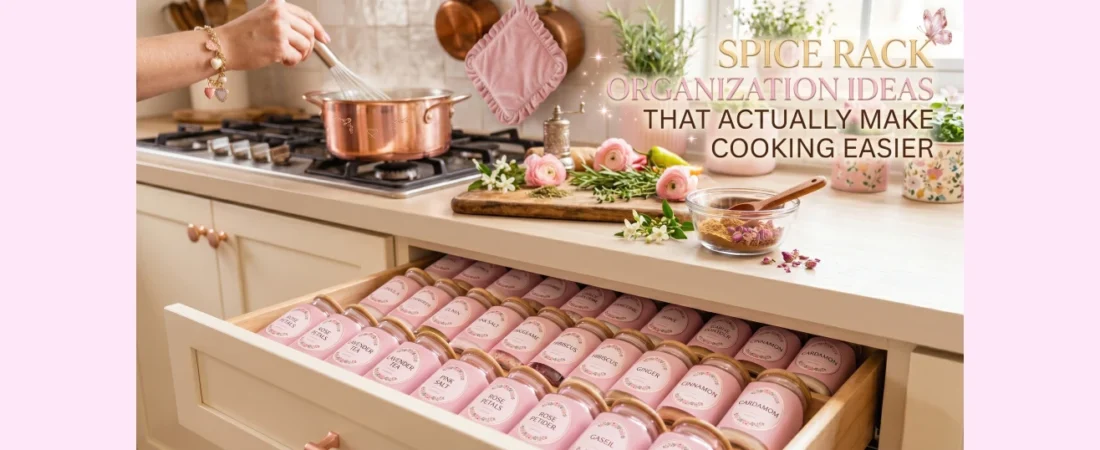
The most effective spice rack organization combines alphabetical ordering with frequency-based placement. Store everyday spices at eye level, group by cuisine type, use clear containers with labels, and create a master inventory list. This system cuts cooking prep time in half.
I’ll be honest with you – my spice situation was a complete disaster for years. Every time I cooked, I’d spend more time hunting for cumin or oregano than actually preparing the meal. Sound familiar? After trying countless organization methods, I finally cracked the code on spice rack organization ideas that actually work in real kitchens.
Let me share what I’ve learned from transforming my chaotic spice collection into a streamlined system that makes cooking genuinely enjoyable.
🌶️ The Foundation: Understanding Your Spice Usage Patterns
Before diving into organization systems, I had to get real about my cooking habits. I spent a week noting which spices I reached for most often, and honestly, the results surprised me. About 80% of my cooking relied on just 15-20 spices, while dozens of others sat neglected in the back.
This revelation changed everything. Instead of treating all spices equally, I created a hierarchy based on frequency of use. My everyday essentials – salt, pepper, garlic powder, paprika, and Italian seasoning – earned prime real estate at eye level. The specialty spices that I use maybe twice a year? They got relegated to higher shelves.
💡 Pro Tip: Track your spice usage for one week before reorganizing. You’ll be amazed at how few spices you actually use regularly, and this insight will guide your entire organization strategy.
📚 My Favorite Spice Rack Organization Systems
🔤 The Hybrid Alphabetical System
Pure alphabetical organization sounds logical, but in my experience, it doesn’t work well for cooking. When I’m making tacos, I don’t want to hunt through the entire alphabet for cumin, chili powder, and paprika.
Instead, I use a hybrid approach: I organize my everyday spices by frequency and cuisine type in the most accessible spots, then alphabetize the less-used spices in a secondary area. This gives me the best of both worlds – quick access to what I need most, with a logical system for everything else.
🍝 The Cuisine-Based Method
This approach has been a game-changer for my weeknight cooking routine. I group spices by the type of cuisine I’m making:
- Italian corner: oregano, basil, garlic powder, red pepper flakes
- Mexican section: cumin, chili powder, paprika, cayenne
- Asian zone: ginger, five-spice, sesame seeds, garlic
- Indian area: turmeric, coriander, cardamom, cinnamon
When I’m making pasta, everything I need is in one spot. Same for tacos or stir-fry. It’s like having a sous chef who’s already organized my ingredients by meal type.
<
>
🏺 Container Solutions That Actually Work
I’ve tried every type of spice container imaginable, and here’s my honest take on what works best:
✨ Clear Glass Jars with Airtight Lids
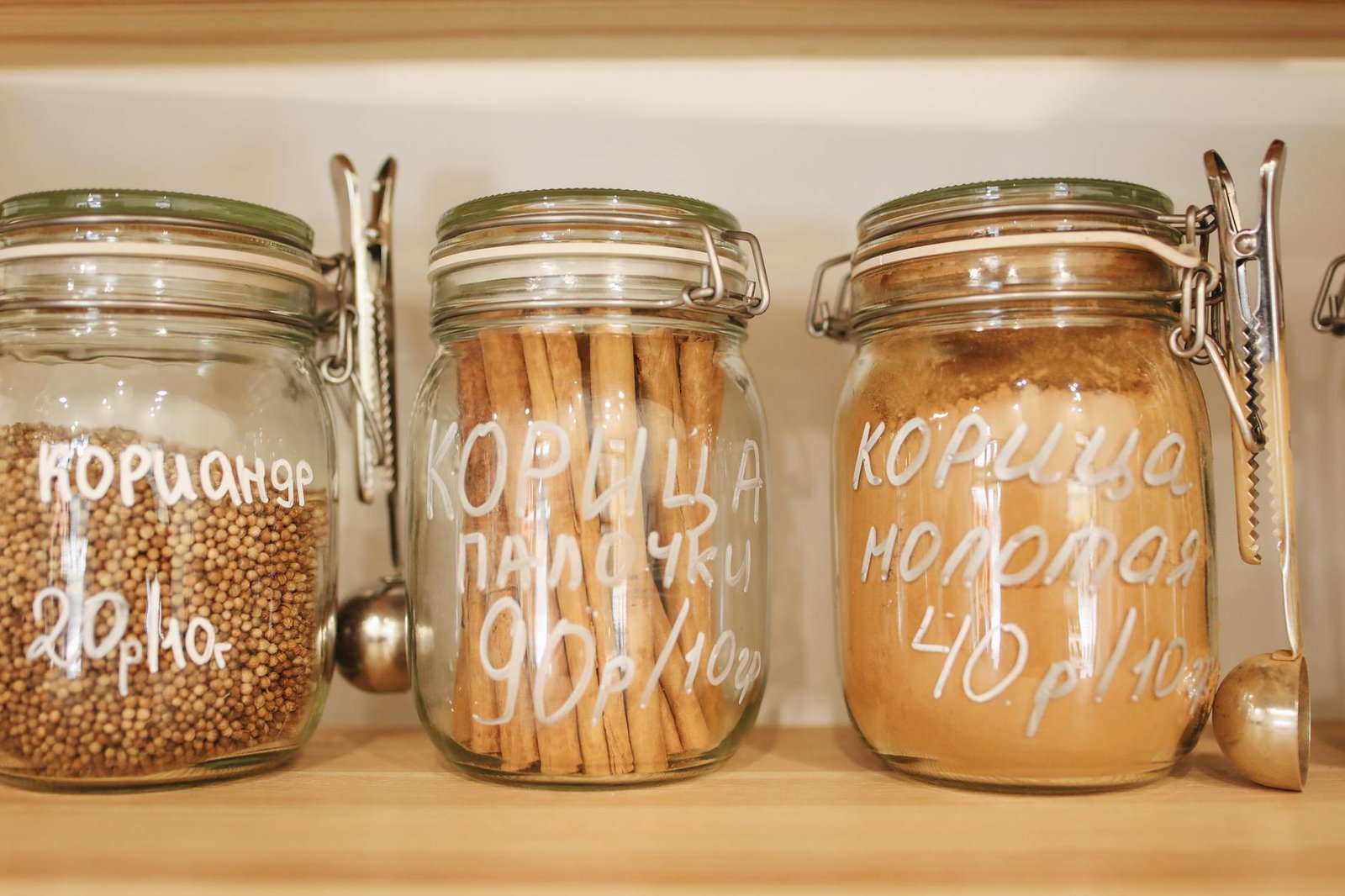
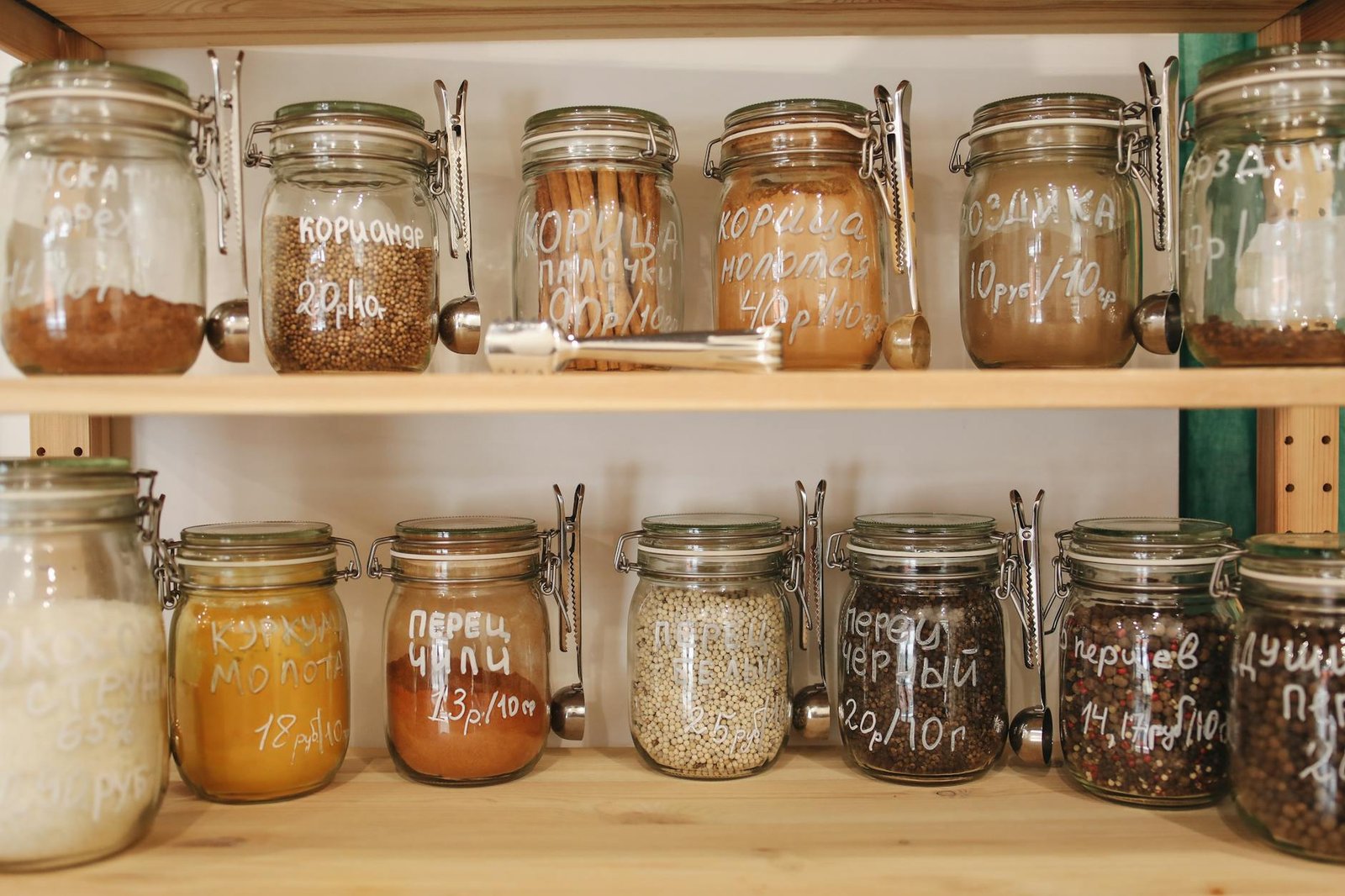
These are my absolute favorites. I can see exactly what’s inside and how much is left. The uniform look creates a clean, organized appearance that makes me actually want to cook. Plus, I can easily spot when spices are getting old and need replacing.
🔍 Magnetic Spice Containers
If you have limited counter or cabinet space, magnetic containers on the side of your refrigerator can be brilliant. I use these for my most-used spices, creating a convenient cooking station right where I prep most meals.
📖 Storage Reality Check: Those tiny round containers that come in spice rack sets? They’re usually too small for real cooking. I learned this the hard way when I constantly ran out of garlic powder and had to refill containers weekly.
🏷️ Labeling Systems That Save Your Sanity
Good labeling is the difference between a functional spice system and a pretty disaster waiting to happen. I’ve found that the best labels include both the spice name and the date I filled the container.
For frequently used spices, I also add the expiration date from the original container. This saves me from playing the guessing game about whether that paprika from three years ago is still good to use.
My labeling rule: if I can’t immediately identify what’s in a container from three feet away, the label needs to be bigger or clearer.
📋 The Master Inventory System
This might sound obsessive, but keeping a simple inventory list has saved me countless trips to the grocery store and prevented me from buying duplicate spices I already owned.
I keep a small notepad in my spice area where I jot down what I’m running low on. When planning meals, I can quickly check what I have available instead of discovering mid-recipe that I’m out of something crucial.
Just like when I organized my desk organization system, having a clear inventory prevents that frantic searching that derails productivity.
<
>
💡 Creative Storage Solutions for Small Spaces
Not everyone has the luxury of a dedicated spice cabinet. I lived in a tiny apartment for years where every square inch counted, so I got creative with spice storage:
🚪 Inside Cabinet Doors
I installed narrow shelves on the inside of cabinet doors near my stove. This dead space became prime spice real estate without taking up any counter space.
🗂️ Drawer Dividers
A deep kitchen drawer with tiered dividers can hold an impressive number of spice jars while keeping everything visible. No more forgotten spices hiding in the back!
📱 Vertical Solutions
Wall-mounted spice racks or narrow rolling carts that fit between appliances can maximize vertical space in compact kitchens.
🧹 Maintenance: Keeping Your System Working
The best spice organization system in the world won’t help if you don’t maintain it. I learned this lesson when my beautiful, organized spice rack gradually devolved back into chaos because I got lazy about putting things back where they belonged.
My maintenance routine is simple but consistent:
- Put spices back immediately after cooking
- Do a quick spice audit monthly to check for expired items
- Refill containers when they get low, rather than waiting until they’re empty
- Update my inventory list as I use things up
This regular upkeep takes maybe five minutes a month but keeps my system functional year-round.
🤔 FAQ
How often should I replace my spices?
Ground spices typically stay fresh for 2-3 years, while whole spices can last 3-4 years. I check mine annually and replace anything that’s lost its aroma or color. When in doubt, give it a smell test – your nose knows!
Should I store spices in the refrigerator or freezer?
Most spices do best in cool, dark places at room temperature. I only refrigerate red spices like paprika and chili powder to prevent them from losing their vibrant color. Freezing isn’t necessary for dried spices and can actually introduce moisture problems.
What’s the best way to organize spice blends versus single spices?
I keep my homemade and store-bought spice blends in a separate section from single spices. This prevents confusion when I’m cooking and makes it easier to grab complex flavor profiles quickly. Think of blends as your “shortcut” section.
How do I deal with different sized spice containers?
Honestly, I transfer everything into uniform containers. Yes, it’s extra work upfront, but the visual consistency makes finding things so much easier. I keep the original containers with expiration dates stored elsewhere for reference.
🎯 Your Spice Organization Journey Starts Now
Transforming your spice chaos into an organized system isn’t just about pretty Instagram photos – it’s about making cooking more enjoyable and efficient. When you can find what you need instantly, you’re more likely to experiment with new recipes and actually enjoy the process of making meals.
Start small with just your most-used spices, then expand the system as you get comfortable with it. Remember, the best organization system is the one you’ll actually use consistently.
The time investment upfront pays dividends every single time you cook. Trust me – once you experience the joy of grabbing exactly the spice you need without hunting through a jumbled mess, you’ll wonder why you waited so long to get organized.
What’s your biggest spice organization challenge? I’d love to hear about your kitchen setup and help you troubleshoot any issues you’re facing. Drop a comment below and let’s figure out the perfect spice system for your cooking style!