Quick Answer
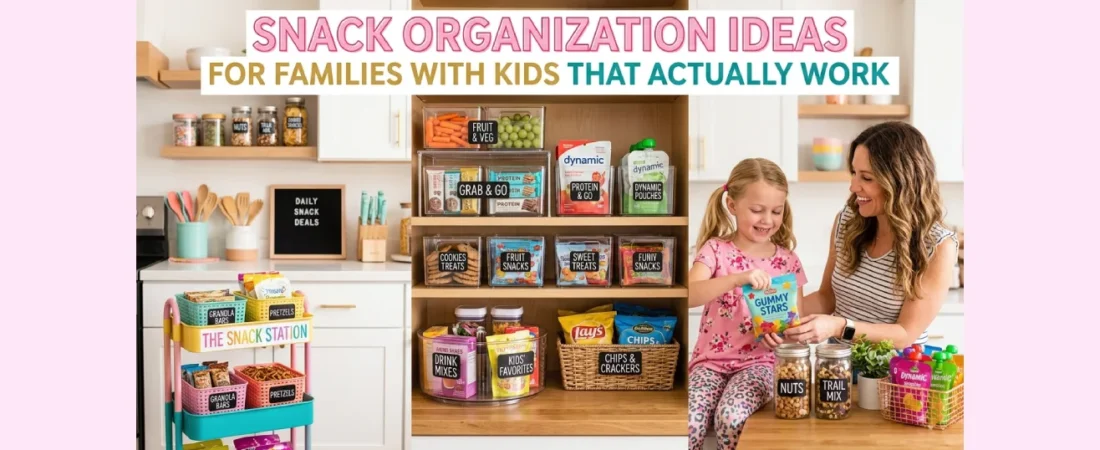
Create designated snack zones with clear containers, use grab-and-go bins for different age groups, establish healthy vs. treat sections, and involve kids in the organization process. The key is making snacks visible, accessible, and portion-controlled.
Let me be completely honest with you – snack organization was my biggest kitchen nightmare for years. I’d open my pantry and find crushed crackers everywhere, half-empty bags rolled up with chip clips that never seemed to work, and my kids constantly asking “What can I have?” while standing in front of a pantry full of snacks they couldn’t see or reach.
After countless trial-and-error attempts, I’ve finally cracked the code on snack organization that works for real families with real kids who make real messes. These aren’t Pinterest-perfect solutions that only work for photo shoots – these are battle-tested systems that survive the daily snack attacks from my three kids.
🍎 Creating Designated Snack Zones
The game-changer for me was realizing that snacks needed their own real estate in my kitchen. I stopped trying to squeeze them into random corners and gave them prime real estate that everyone could access easily.
I designated one entire section of my pantry as the “Snack Central” – everything from crackers to granola bars lives here. But here’s what made the biggest difference: I organized it by meal timing. Morning snacks on the top shelf, after-school munchies at eye level, and evening treats on the bottom.
💡 Pro tip: Use the “one-touch rule” – if kids have to move something to get to their snack, they probably won’t put it back properly.
In my refrigerator, I carved out the entire bottom drawer for grab-and-go snacks. Cut vegetables, cheese sticks, yogurt cups, and fruit all live here. My kids know this drawer is theirs, and honestly, it’s reduced the “Mom, I’m hungry” requests by at least 70%.
🥨 The Clear Container Revolution
I used to think those clear containers were just for show, but they’ve been absolute lifesavers in my snack organization journey. When my kids can see what’s available, they make better choices and I waste less food.
I invested in a variety of clear, airtight containers and decanted everything from cereal to crackers. The best part? I can see when we’re running low on something before we’re completely out. No more discovering empty boxes taking up valuable pantry space!
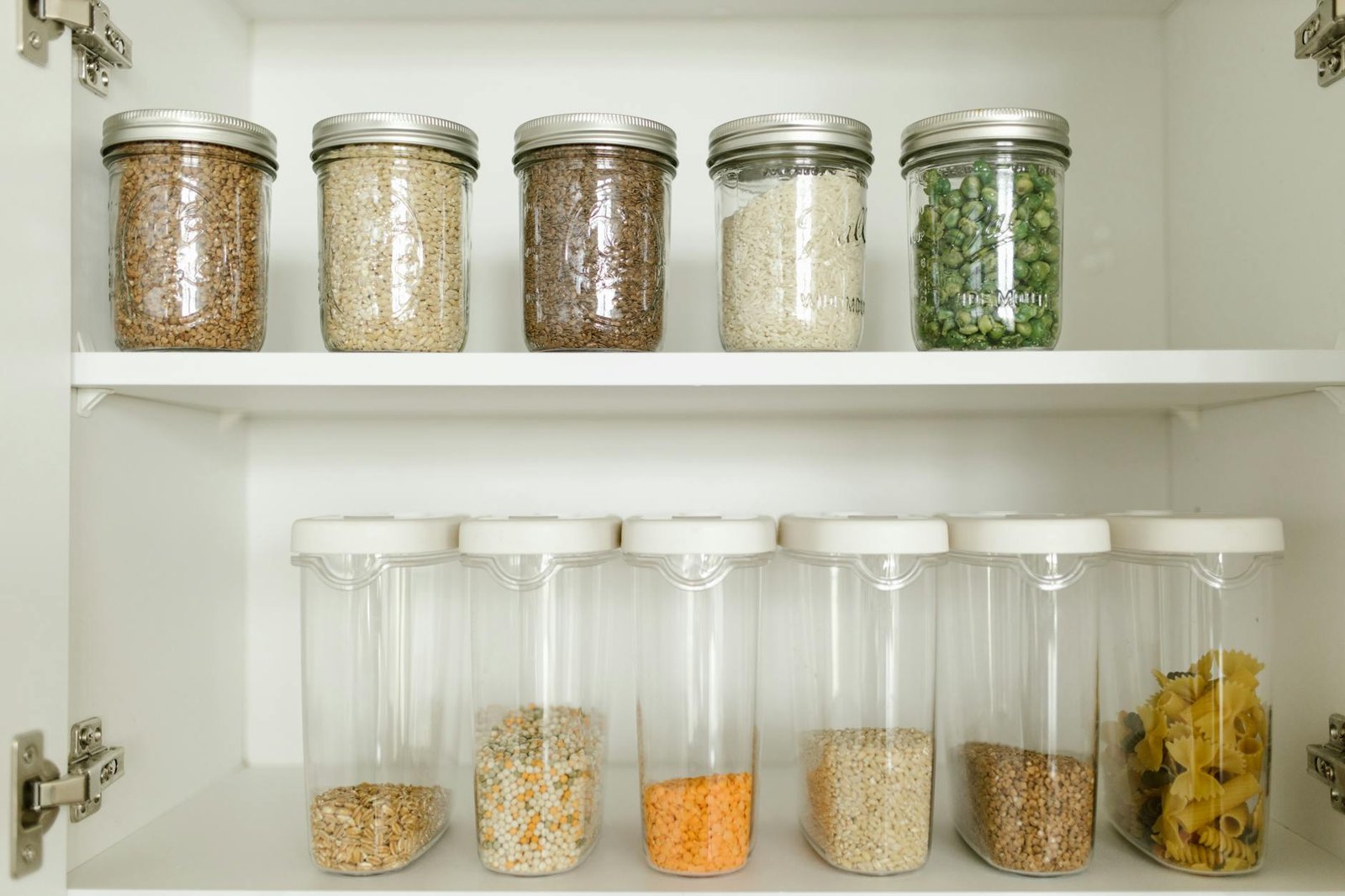
For portion control, I use smaller containers within the larger ones. This way, my kids can grab a pre-portioned amount instead of taking the entire container and accidentally eating half a box of crackers during their favorite show.
📖 Learning moment: I learned the hard way that not all containers are created equal. Look for ones with secure lids that little hands can actually open and close properly.
🧒 Age-Appropriate Organization Systems
One size definitely doesn’t fit all when it comes to snack organization for families. My 4-year-old, 8-year-old, and 12-year-old all have different needs and capabilities, so I’ve had to create systems that work for everyone.
For my youngest, everything needs to be at his eye level and easy to open. I keep his snacks in a low drawer with simple containers he can manage independently. Think individual applesauce pouches, pre-packaged crackers, and single-serve containers.
My middle child is all about variety and choices, so I created what I call the “Snack Buffet” – a large, shallow bin with different compartments where she can mix and match her favorites. It’s like a bento box approach but for snack storage.
The preteen gets his own section of more sophisticated snacks and bigger portions. I’ve found that giving him ownership over organizing his own snack space has actually made him more responsible about keeping it tidy. Just like with effective kitchen drawer organization, involving kids in the process makes them more likely to maintain the system.
🥕 Healthy vs. Treat Organization
I’ll be real with you – I don’t believe in completely restricting treats, but I do believe in making healthy choices more convenient and visible than the not-so-healthy ones.
My healthy snacks get the prime real estate: eye level, easy to reach, beautifully displayed in clear containers. The treats are still available but stored up higher and in less prominent spots. It’s not about hiding them, but about making the better choices the easier choices.
I also batch-prep healthy snacks every Sunday. Cut vegetables go into clear containers with individual hummus cups, fruits get washed and portioned into grab-and-go containers, and I make a big batch of homemade trail mix that gets divided into small portions.
📦 The Snack Station Setup
Creating a dedicated snack station has been one of my smartest moves. I converted a lower kitchen cabinet into snack central, complete with kid-friendly organization systems.
Inside this cabinet, I have different zones: crackers and chips in one section, bars and packaged goods in another, and a special “school lunch prep” area where everything needed for packing lunches lives together. This system works brilliantly alongside my deep shelf organization strategies that prevent things from getting lost in the back.
The door of the cabinet holds a simple chart where kids can check off when they’ve had their daily snacks – it’s surprisingly effective at preventing the endless snacking that was happening before!
💡 Real talk: Don’t try to organize everything at once. Start with one area, get it working smoothly, then expand. I made the mistake of trying to revamp everything in one weekend and it was overwhelming for everyone.
🍓 Refrigerator Snack Organization
The refrigerator is where snack organization often falls apart, but it doesn’t have to. I treat fridge snack organization with the same intentionality as my pantry systems.
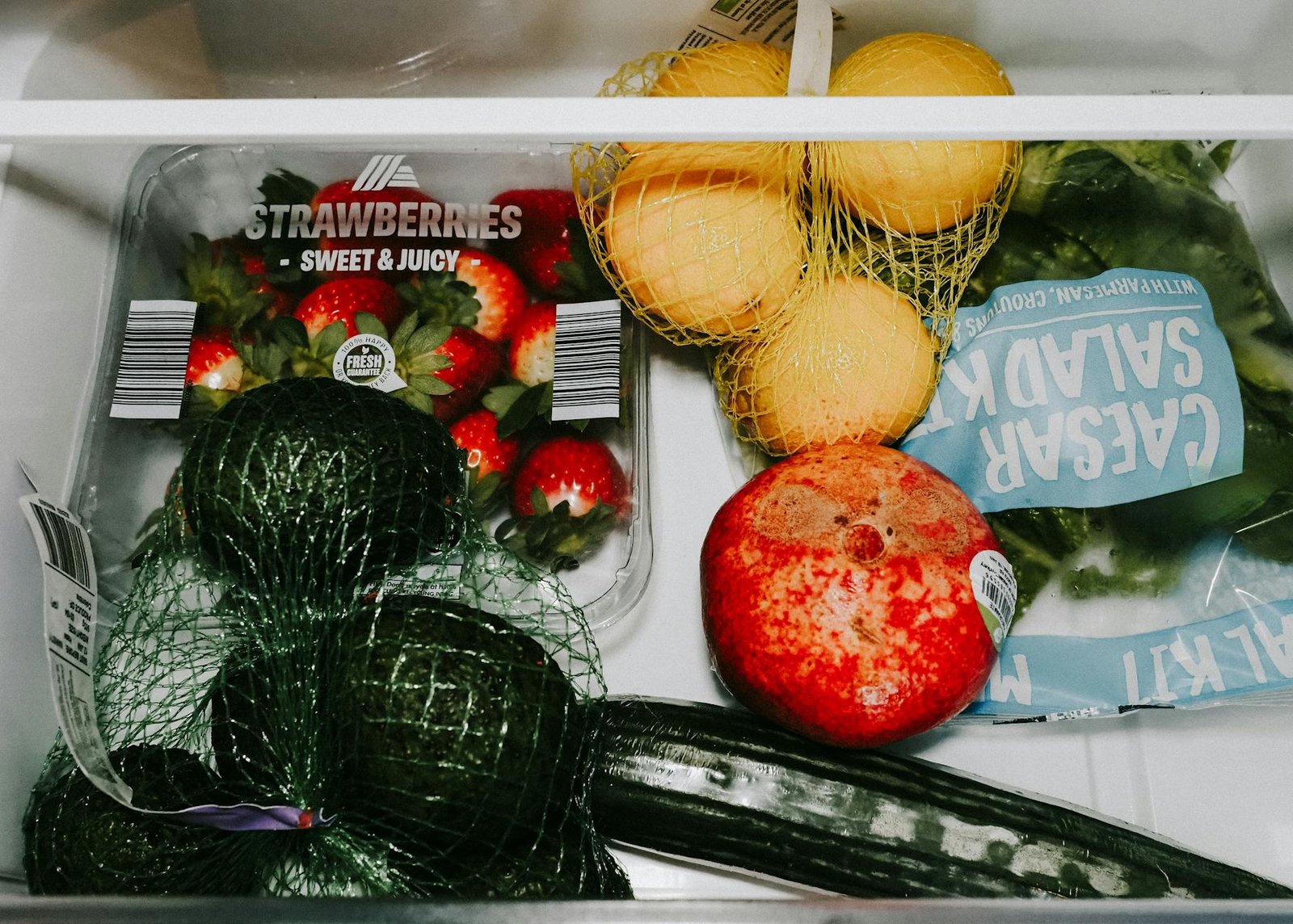
I designated specific areas for different types of refrigerated snacks. The crisper drawer is divided into “ready-to-eat” and “needs prep” sections. Ready-to-eat includes washed grapes, cut vegetables, and cheese sticks. The needs-prep section has whole fruits and vegetables that require washing or cutting.
On the main shelves, I use clear bins to corral yogurts, pudding cups, and other individual snacks. This prevents them from getting buried behind leftovers and forgotten until they expire. The principles I use here are similar to my approach for reducing food waste through better refrigerator organization.
🎯 Making It Sustainable
The truth is, any organization system is only as good as your family’s ability to maintain it. I’ve learned that the key to sustainable snack organization is making it so simple that it almost maintains itself.
I do a quick 5-minute snack area reset every evening while I’m cleaning up after dinner. It’s become as automatic as wiping down the counters. I restock containers, move things back to their designated spots, and prep anything needed for the next day.
I also involve my kids in the weekly snack organization routine. Every Sunday, we spend about 15 minutes restocking containers, washing fruit, and prepping grab-and-go options for the week. They’ve actually started taking pride in keeping their snack areas organized.
❓ Frequently Asked Questions
How do I stop my kids from making a mess when getting snacks?
In my experience, most snack messes happen because the storage system is too complicated or inconvenient. Make sure containers are easy to open and close, keep frequently used items at appropriate heights, and have a designated spot for everything. I also implemented a “clean as you go” rule – if you make a mess getting your snack, you clean it before eating.
What’s the best way to organize snacks for school lunches?
I keep all lunch-packable snacks in one designated area, separate from our everyday snacking supplies. I use a large, shallow bin that sits on a convenient shelf, and everything that can go in a lunchbox lives there. This makes morning lunch packing so much faster and prevents us from accidentally packing our last good after-school snacks.
How can I keep healthy snacks fresh longer?
Proper storage makes all the difference. I use airtight containers for everything, even if it means transferring items from their original packaging. For fresh fruits and vegetables, I wash and prep them right after grocery shopping, then store them in clear containers with paper towels to absorb excess moisture. This system has definitely extended the life of our produce.
Should I let my kids organize their own snacks?
Absolutely, but with guidance. I give my kids ownership over their designated snack areas, but we established the systems together first. They know where things belong and why we organize them that way. Giving them ownership has actually made them more responsible about maintaining the organization and less likely to waste food.
🏠 Bringing It All Together
Creating an organized snack system for your family isn’t about achieving Pinterest perfection – it’s about reducing daily stress and making your home run more smoothly. The systems I’ve shared have genuinely transformed how our family approaches snacking, reduced food waste, and eliminated so many of those “Mom, what can I eat?” moments.
Remember, the best snack organization system is the one your family will actually use. Start with one small area, involve your kids in creating the systems, and don’t be afraid to adjust things as you discover what works and what doesn’t.
The peace of mind that comes from knowing everyone can find a healthy snack independently is worth every minute spent setting up these systems. And honestly, seeing my kids make good choices and clean up after themselves has been an unexpected bonus that makes me feel like I’m actually succeeding at this parenting thing!
What snack organization challenges are you facing in your home? I’d love to hear about your family’s snacking struggles and successes in the comments below – sometimes the best solutions come from sharing what’s really working (and what’s definitely not working) in our real, messy, wonderful family lives!