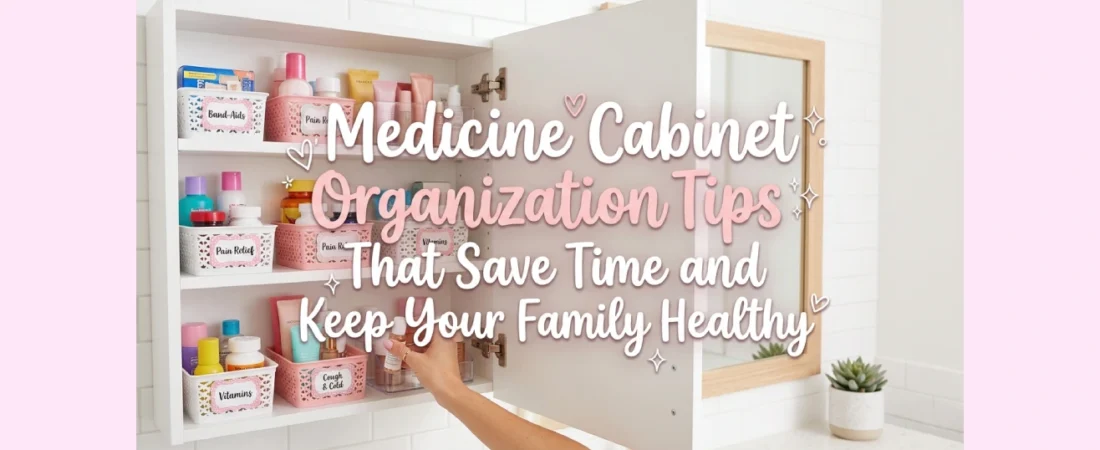
Quick Answer
Organize your medicine cabinet by removing everything, checking expiration dates, grouping similar items together, using clear containers for small items, and creating designated zones for daily medications, first aid supplies, and occasional-use items. Label everything and maintain a “first in, first out” system.
I’ll be honest – my medicine cabinet used to be a complete disaster zone. Every time someone in my family needed a simple bandage or pain reliever, I’d spend precious minutes digging through expired bottles, loose pills, and random tubes of who-knows-what. Sound familiar? 😅
After one particularly frustrating midnight search for children’s fever reducer (while my toddler was burning up), I decided enough was enough. I completely transformed my approach to medicine cabinet organization, and honestly, it’s been a game-changer for our entire household.
Why Medicine Cabinet Organization Matters 🏥
In my experience, an organized medicine cabinet isn’t just about aesthetics – it’s about safety and efficiency. When someone’s sick or injured, the last thing you want is to waste time hunting for supplies. Plus, proper organization helps prevent dangerous mix-ups and ensures you’re not accidentally taking expired medications.
I’ve learned that medicine cabinet organization is just as important as organizing any other area of your home. Just like when I tackled decluttering my bedroom, the key is having a clear system that everyone in the family can understand and maintain.
💡 Pro Tip: Never organize your medicine cabinet when you’re feeling overwhelmed or stressed. I find it’s best to tackle this project when I’m feeling calm and have plenty of time to read labels carefully.
Step 1: The Great Medicine Cabinet Purge 🧹
My first step is always to remove absolutely everything from the medicine cabinet. I mean everything – every bottle, tube, bandage, and random item that somehow found its way in there. I spread everything out on my bathroom counter so I can see exactly what I’m working with.
This is when I check expiration dates religiously. You’d be amazed at how many expired medications accumulate over time. I’ve found cough drops from 2019 and prescription bottles that were years past their prime. Into the trash they go!
What to Toss Immediately 🗑️
- Any medication past its expiration date
- Prescription medications that are no longer needed
- Over-the-counter items with damaged packaging
- Anything you can’t identify or remember purchasing
- Products that have changed color, texture, or smell
Step 2: Create Smart Categories 📋
Once I’ve purged everything, I group the remaining items into logical categories. This system has worked beautifully for my family, and I think you’ll find it helpful too:
Daily Use Medications 💊
These go on the most accessible shelf – usually eye level. I’m talking about vitamins, daily prescriptions, and anything family members need to grab quickly each morning.
Pain Relief & Fever Reducers 🌡️
I keep these together in one designated area because they’re often needed urgently. I separate adult and children’s versions clearly.
First Aid Essentials 🩹
Bandages, antibiotic ointment, hydrogen peroxide, and gauze all live together. I’ve learned to keep a small basket for these items so nothing gets lost in the back.
Digestive & Allergy Relief 🤧
Antacids, allergy medications, and digestive aids get their own section. These aren’t needed as frequently, so they can go on a higher or lower shelf.
Specialty Items 🔬
Things like eye drops, ear drops, and thermometers need special consideration for storage requirements.
📖 Remember: Just like with kitchen drawer organization, the key is creating categories that make sense for your family’s specific needs and usage patterns.
Step 3: Smart Storage Solutions 📦
Honestly, the right storage containers have made all the difference in maintaining my organized medicine cabinet. I’ve tried various approaches over the years, and here’s what actually works:
Clear Plastic Bins 🧊
I use small, clear plastic containers to corral loose items like individual packets of pain relievers or small tubes. Being able to see everything at a glance is crucial.
Lazy Susans for Deep Cabinets 🔄
If your medicine cabinet is deep, a small lazy Susan can be a lifesaver. I learned this trick after constantly losing items in the back corners.
Magnetic Strips 🧲
For metal items like tweezers and small scissors, a magnetic strip on the inside of the cabinet door works wonderfully.
Over-the-Door Organizers 🚪
The back of the cabinet door is prime real estate! I use a slim over-the-door organizer for frequently used items.
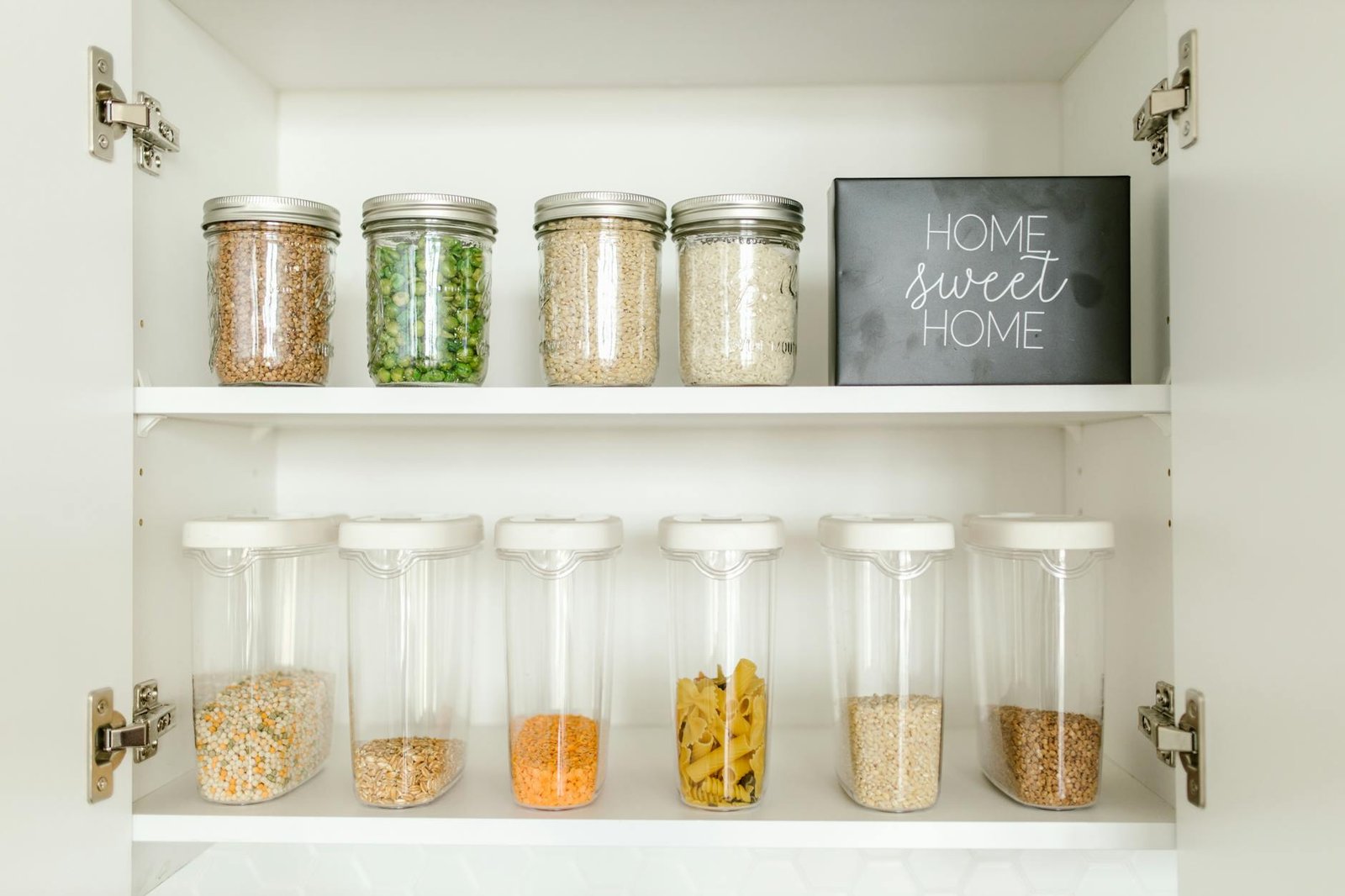
Clear containers and proper categorization make finding items quick and easy
Step 4: Label Everything Clearly 🏷️
I cannot stress this enough – labels are your best friend when it comes to medicine cabinet organization. I use a simple label maker to create clear, easy-to-read labels for each category and container.
My labeling system includes:
- Category names (“Daily Vitamins,” “Pain Relief,” etc.)
- Expiration date reminders on containers
- “Check Monthly” labels for items that need regular review
- Family member names for personal prescription items
Step 5: Implement the “First In, First Out” Rule 🔄
Just like I do when I organize my refrigerator, I always place newer items behind older ones. This ensures we use things before they expire and prevents waste.
I write purchase dates on items when I bring them home, which makes this system much easier to maintain.
Maintaining Your Organized Medicine Cabinet 🔧
The truth is, organization is only as good as its maintenance. I’ve developed a simple routine that keeps my medicine cabinet in tip-top shape:
Monthly Check-ins 📅
On the first Saturday of each month, I spend 10 minutes checking expiration dates and restocking low items. It’s become as routine as changing the air freshener.
Immediate Return Policy 🔄
Everyone in my family knows the rule: if you take something out, put it back in its designated spot immediately. No exceptions.
Shopping List Integration 📝
I keep a small notepad in the medicine cabinet where family members can jot down items we’re running low on. This prevents those “Oh no, we’re out of bandages” moments.
💡 Safety First: I always keep medications in their original containers with labels intact. Never transfer prescription medications to different containers, as this can be dangerous and potentially illegal.
Special Considerations for Families 👨👩👧👦
If you have children, medicine cabinet organization becomes even more critical. I keep all adult medications on higher shelves, well out of reach of little hands. Child-resistant caps are great, but they’re not foolproof.
I also maintain a separate, locked box for any controlled substances or medications that could be particularly dangerous if accidentally ingested.
Common Medicine Cabinet Organization Mistakes to Avoid ❌
Through trial and error, I’ve learned what doesn’t work:
- Storing medications in the bathroom: If your bathroom gets very humid, consider an alternative location
- Ignoring storage requirements: Some medications need cool, dry places
- Cramming too much in: Better to use a nearby closet than overcrowd the cabinet
- Mixing up family members’ medications: Clear separation prevents dangerous mix-ups
FAQ 🤔
How often should I clean out my medicine cabinet?
I do a thorough cleanout every six months, but I check expiration dates monthly. This prevents accumulation of expired items and keeps everything current.
What’s the best way to dispose of expired medications?
Many pharmacies and police stations have medication disposal programs. Never flush medications down the toilet or throw them in regular trash, as this can be harmful to the environment.
Should I store vitamins in the medicine cabinet?
It depends on your bathroom’s humidity level. I store mine in the medicine cabinet because our bathroom has good ventilation, but if yours gets very steamy, consider a bedroom drawer or kitchen cabinet instead.
How do I organize a medicine cabinet that’s too small for everything?
Consider using nearby bathroom storage like under-sink areas or a bedroom dresser drawer. The key is keeping frequently used items in the most accessible spot and storing occasional-use items elsewhere.
Wrapping Up Your Medicine Cabinet Transformation ✨
Honestly, organizing my medicine cabinet was one of those small changes that made a surprisingly big impact on our daily lives. No more frantic searching during illness, no more expired medications cluttering valuable space, and no more stress when someone needs quick relief.
The system I’ve shared with you today has served my family well for years now, and I’m confident it can work for yours too. Remember, the best organization system is the one that fits your family’s specific needs and lifestyle.
Start with a complete purge, create logical categories, invest in proper storage solutions, and maintain the system with regular check-ins. Your future self will thank you the next time someone needs medication at 2 AM!
I’d love to hear about your medicine cabinet organization wins and challenges! Drop a comment below and share what’s worked (or hasn’t worked) for your family. Let’s help each other create safer, more organized homes! 💬