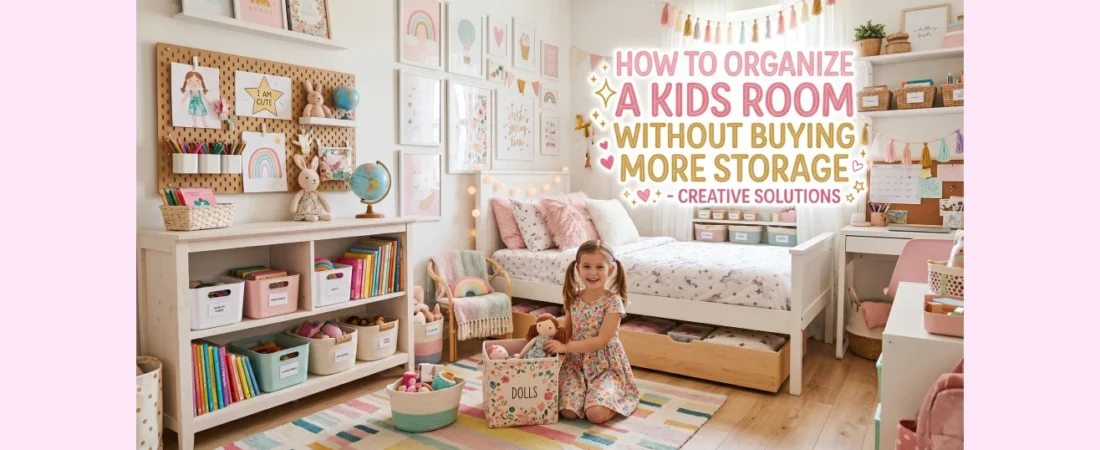
Quick Answer
You can organize any kids room without buying storage by using what you already have: repurpose shoeboxes and containers, utilize vertical wall space, create zones with existing furniture, and implement a regular decluttering routine. The key is maximizing existing space rather than adding more stuff.
I’ll be completely honest with you – I used to think the solution to my kids’ messy rooms was always more storage bins, more shelves, more stuff. But after years of trial and error (and way too much money spent on organizational products that barely helped), I discovered something revolutionary: the best kids room organization ideas don’t require buying anything new at all.
In my experience, most children’s rooms already have everything needed for great organization – we just need to get creative with what’s already there. Let me share the strategies that completely transformed my approach to organizing kids’ spaces.
🎯 Start With What You Already Own
The first step in organizing without buying more storage is taking inventory of what you already have. I remember walking into my daughter’s room and feeling overwhelmed by the chaos, but when I really looked around, I realized we had plenty of containers, boxes, and furniture that weren’t being used effectively.
📦 Repurpose Everyday Items
Shoeboxes became my best friends in kids room organization. I use them to divide dresser drawers, creating separate compartments for socks, underwear, and accessories. Cereal boxes work wonderfully too – just cut them down to the right height and cover with decorative paper or let the kids decorate them.
Empty baby wipe containers are perfect for storing small toys like matchbox cars or art supplies. I’ve found that yogurt containers and mason jars make excellent desk organizers for crayons, markers, and pencils. The key is looking at every container with fresh eyes.
💡 Pro Tip: Before throwing away any container, ask yourself: “Could this hold something in my child’s room?” You’ll be amazed at how many perfect organizers you almost tossed in the trash!
🏗️ Maximize Vertical Space
One of my biggest breakthroughs came when I stopped thinking horizontally and started thinking vertically. Kids’ rooms often have so much unused wall space that can become organizational gold mines.
🖼️ Use What’s on the Walls
That bulletin board or magnetic board gathering dust? Perfect for organizing hair accessories, small toys, or daily schedules. I hang small mesh bags or pouches on existing hooks to store everything from art supplies to small stuffed animals.
Command strips that might be holding up old artwork can be repositioned to create instant storage solutions. I use them to hang lightweight baskets on walls or the sides of dressers for additional storage.
🛏️ Furniture That Pulls Double Duty
Every piece of furniture in a child’s room should work harder. I’ve learned to see every surface and space as potential storage.
🛏️ Under-Bed Gold Mine
The space under the bed is prime real estate that often goes unused. I slide plastic bins, old suitcases, or even cardboard boxes under there for seasonal clothing, extra bedding, or toys that aren’t used daily.
If the bed is low to the ground, I stack books under there or use that space for board games. The key is making sure everything is in a container so it doesn’t become a dust-collecting mess.
🪑 Ottomans and Seating
Any ottoman, bench, or even sturdy laundry basket can become seating that also stores items inside. I love using a decorative laundry basket as a “toy chest” that doubles as extra seating when friends come over.
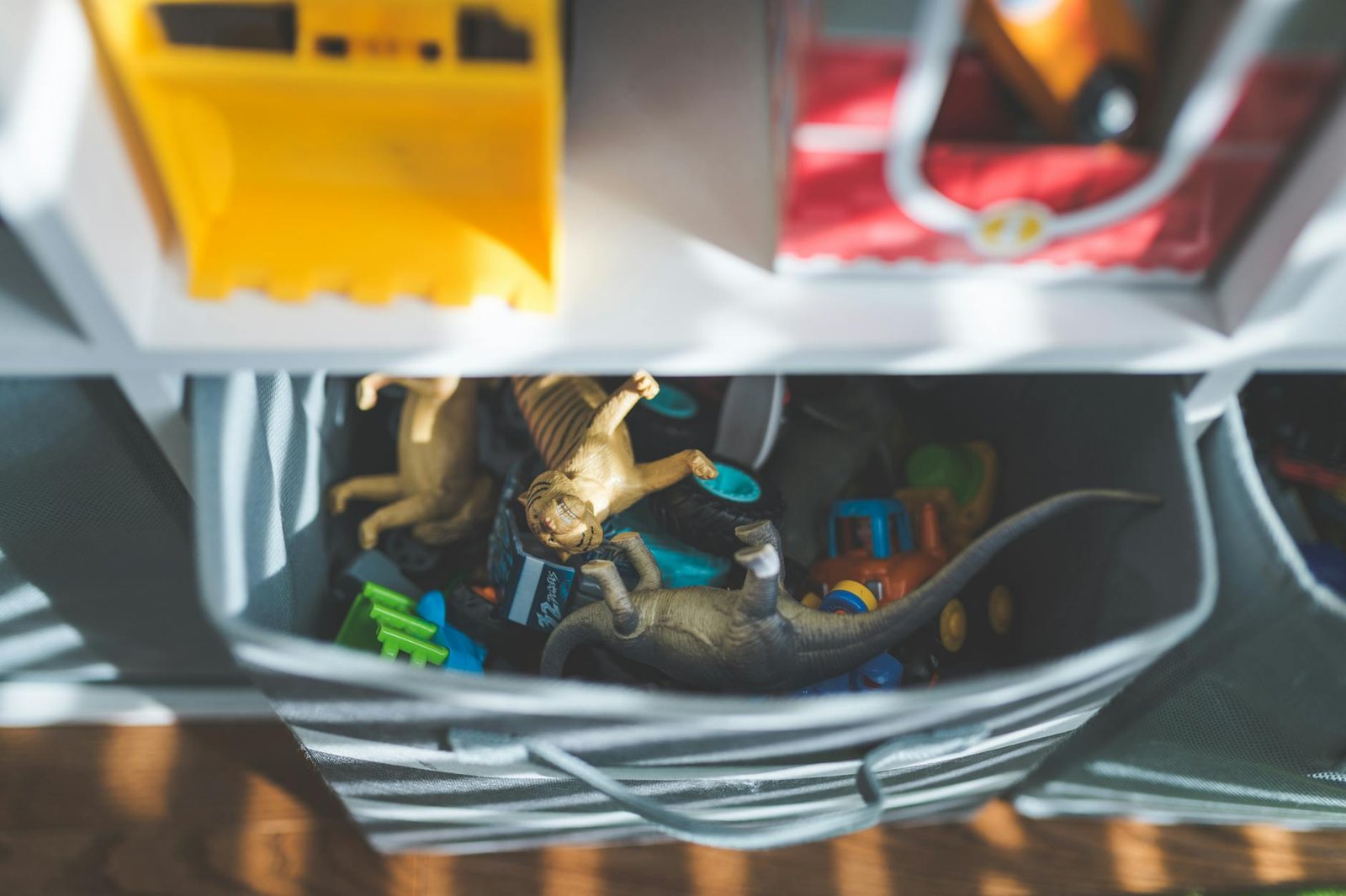
Shoeboxes, containers, and wall space maximize organization without new purchases
🎨 Create Zones Without Buying Dividers
Honestly, creating designated zones in a kids room is one of the most effective organization strategies, and you don’t need fancy room dividers to do it.
📚 The Reading Nook
I use existing furniture to create boundaries. A bookshelf positioned perpendicular to the wall creates an instant reading corner. Throw pillows from other rooms can transform any corner into a cozy reading spot.
🎯 Activity Stations
I designate specific areas for different activities using what we already have. The desk area becomes the homework and art zone, while a corner with a small rug becomes the building block area. This approach is similar to the organization principles I use when I organize desk spaces – everything has its place and purpose.
📖 Remember: Zones don’t need physical barriers. Sometimes just arranging furniture differently or using a rug to define a space is enough to create organization and flow.
🔄 The Magic of Regular Decluttering
Here’s what I’ve learned: no organizational system works if there’s simply too much stuff. Regular decluttering is the foundation of maintaining an organized kids room without constantly buying new storage solutions.
📅 Monthly Toy Rotation
I pack away half of my kids’ toys in bins and store them in the closet or garage. Every month, we swap them out. This keeps the room from becoming overwhelming and makes old toys feel new again. Plus, with fewer toys out at once, the existing storage works so much better.
🎁 The One-In, One-Out Rule
When new toys or clothes come into the room, something else needs to leave. This prevents accumulation and keeps the organizational systems functioning smoothly.
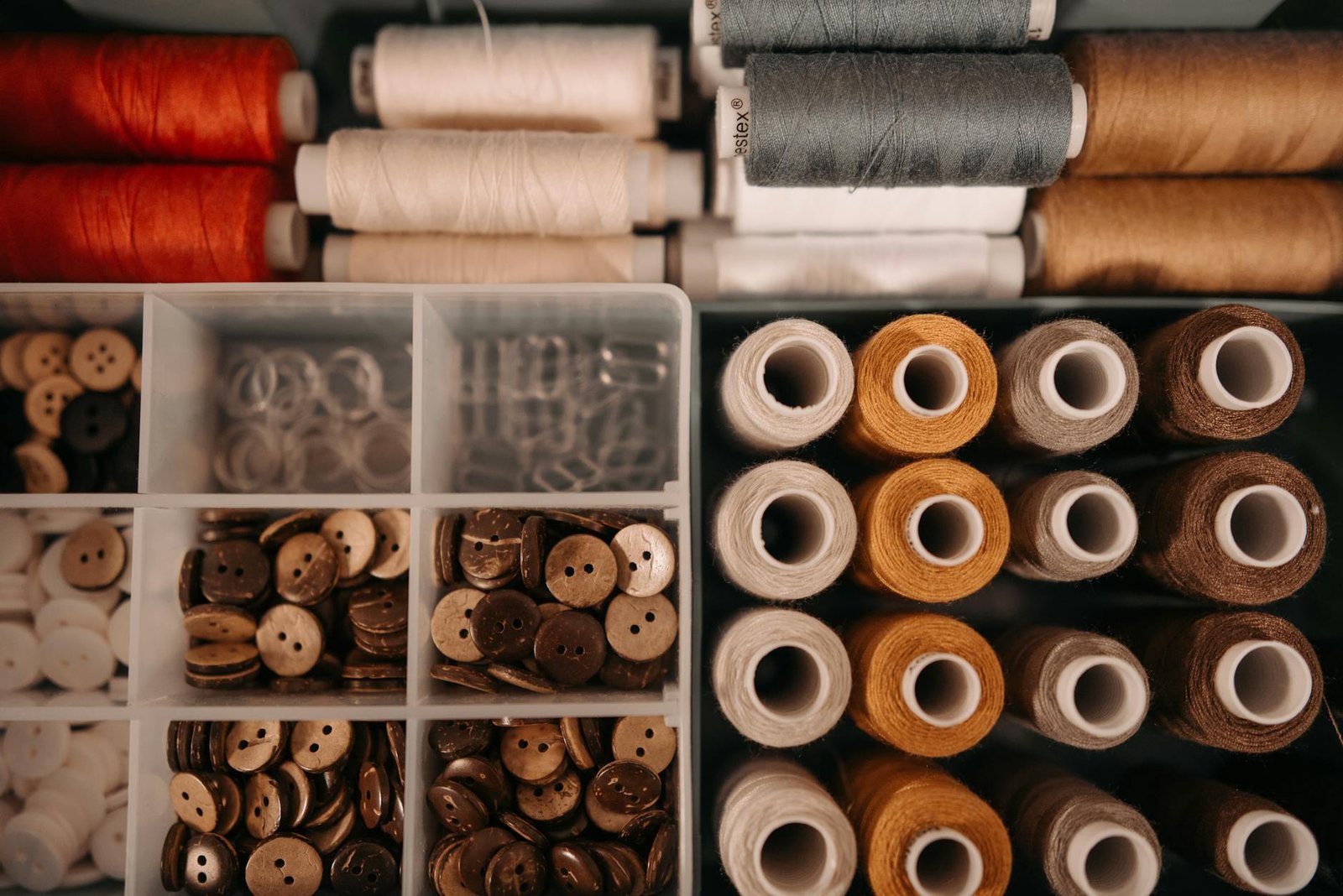
Making the most of dresser space with creative container solutions
🧸 Smart Toy Organization Strategies
Toys are often the biggest challenge in kids room organization, but I’ve found some clever solutions that don’t require purchasing anything new.
🎲 Categorize Creatively
I use pillowcases for quick toy cleanup – one for dolls, another for blocks, another for cars. Kids can toss everything in quickly, and I can store the pillowcases in the closet or under the bed.
Laundry baskets become perfect toy corrals. I label them with pictures so even non-readers know where things belong. When it’s cleanup time, everything gets sorted into the appropriate basket.
👗 Clothing Organization Without New Dressers
Kids’ clothing can quickly take over a room, but there are so many ways to organize it using existing furniture and containers.
👚 Maximize Dresser Space
I use small boxes to divide dresser drawers, creating specific spots for different types of clothing. This prevents the dreaded “everything mixed together” drawer that becomes impossible to navigate.
Rolling clothes instead of folding them saves incredible amounts of space and makes everything visible at once. I learned this technique when organizing other areas of the home, and it works beautifully in kids’ dressers too.
🧥 Closet Creativity
Shower curtain rings can hang on existing closet rods to hold tank tops or scarves. I use old hangers to create cascading storage for pants or skirts.
📝 FAQ
How do I get my kids to maintain the organization system?
Make it simple and visual. Use pictures instead of words for labels, and create systems that require minimal steps. In my experience, if it takes more than 30 seconds to put something away, kids won’t do it consistently. Also, involve them in creating the system so they feel ownership over it.
What if my child has too many toys to organize without buying storage?
This is when decluttering becomes essential. I recommend the toy rotation system – keep only 25-30% of toys accessible at any time. Store the rest and rotate monthly. You’ll be amazed at how much easier organization becomes when there’s simply less stuff to organize.
How can I organize a shared kids room without spending money?
Use existing furniture to create personal zones for each child. A bookshelf can divide the room, or you can assign different walls to different children. Color-coding with existing items (like different colored pillowcases or towels) helps each child identify their space and belongings.
What’s the biggest mistake parents make when organizing kids rooms?
Honestly, I think the biggest mistake is buying more storage before decluttering and maximizing what you already have. I used to be guilty of this myself! Most kids rooms have plenty of storage potential – it’s just not being used efficiently. Start with what you own, then evaluate if you truly need additional storage.
🏠 Your Kids Room Transformation Starts Today
Organizing a kids room without buying more storage isn’t just possible – it’s often more effective than constantly adding new organizational products. When you work with what you have, you develop creative problem-solving skills and teach your children that organization doesn’t require spending money.
The strategies I’ve shared have transformed not just my kids’ rooms, but our entire approach to home organization. Start with one area – maybe just the dresser top or under the bed – and work your way through the room systematically.
Remember, the goal isn’t perfection. It’s creating systems that work for your family and make daily life easier. Some days will be messier than others, and that’s completely normal.
What’s your biggest challenge with kids room organization? Have you tried any creative storage solutions using items you already had at home? I’d love to hear about your successes (and failures!) in the comments below – let’s help each other create homes that work for real families with real lives! 💕