
Quick Answer
The best way to store plastic bags in your kitchen is using a tissue box dispenser method for grocery bags, a dedicated drawer organizer for sandwich bags, and mounting wrap dispensers inside cabinets. Keep only what you actually use and purge regularly to prevent overflow.
Let me tell you something – plastic bags were the bane of my kitchen existence for years. I had grocery bags stuffed into other grocery bags, sandwich bags scattered in three different drawers, and don’t even get me started on the tangled mess of plastic wrap rolls. If you’re nodding along, you’re definitely not alone in this struggle!
After years of trial and error (and honestly, some pretty spectacular organizational failures), I’ve finally cracked the code on storing plastic bags and wraps in a way that actually makes sense. Today, I’m sharing everything I’ve learned so you can skip the frustration and go straight to a beautifully organized kitchen.
🛍️ Understanding Your Plastic Storage Needs
Before diving into solutions, I always recommend taking inventory of what you’re actually dealing with. In my experience, most of us fall into the trap of keeping way more plastic bags than we’ll ever realistically use.
Here’s what I typically find in most kitchens:
– Grocery bags (both plastic and reusable)
– Sandwich and storage bags (various sizes)
– Plastic wrap and aluminum foil
– Produce bags
– Bread bags and other random food packaging
The key insight that changed everything for me was realizing that not all of these items need the same storage solution. Some need easy access, others can be tucked away, and honestly, some probably don’t need to be kept at all.
💡 Pro Tip: I keep a maximum of 10-15 grocery bags at any time. Once I hit that limit, the extras go straight to recycling. This simple rule prevents the endless accumulation that leads to chaos.
🗂️ The Tissue Box Method for Grocery Bags
This is hands-down my favorite discovery, and I wish I’d known about it years ago! Here’s how it works:
Take an empty tissue box and stuff your plastic grocery bags inside, pulling each one through the opening like you would tissues. I keep mine in the cabinet under my sink, and it’s absolutely perfect. The bags stay contained, they’re easy to grab one at a time, and the whole system looks neat and tidy.
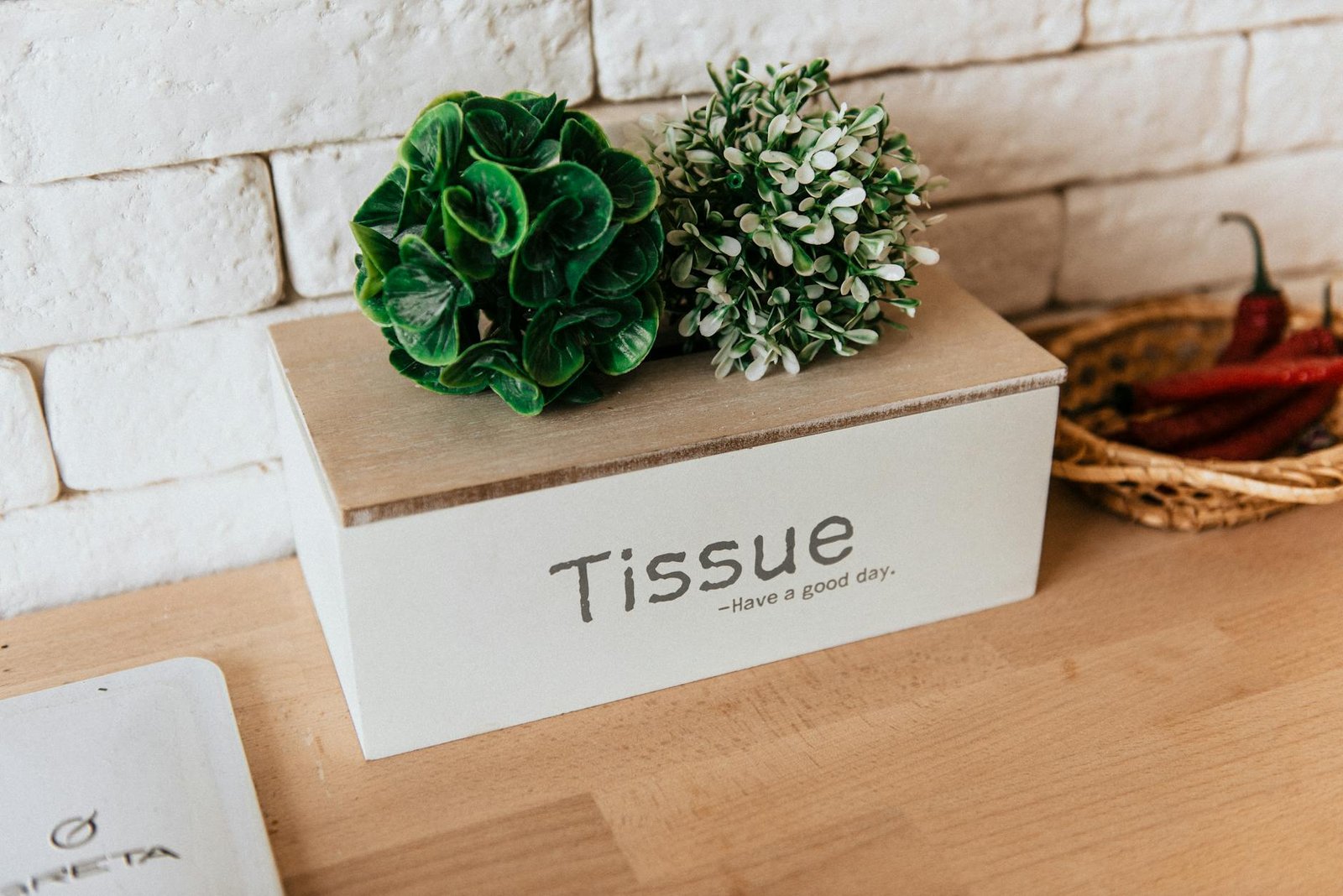
What I love about this method is that it forces you to be mindful about how many bags you’re keeping. When the box gets full, it’s time to stop adding more. I’ve been using this system for three years now, and it’s never failed me.
For larger reusable shopping bags, I hang them on hooks inside my pantry door. This keeps them visible and reminds me to actually grab them before heading to the store (something I definitely struggled with before!).
📦 Organizing Sandwich Bags and Food Storage
Sandwich bags and food storage bags deserve their own dedicated space because, let’s be honest, we use them constantly. I learned this lesson after spending countless minutes digging through drawers looking for the right size bag.
My current system uses a shallow drawer with adjustable dividers. I have one section each for:
– Sandwich bags
– Quart-size storage bags
– Gallon-size storage bags
– Freezer bags
The key is keeping the boxes upright so you can easily grab what you need. I also write the contents on small labels because my husband has a talent for putting things back in completely wrong sections (love you, honey!).
📖 Real Talk: If you don’t have a dedicated drawer, a deep kitchen drawer with small bins works perfectly. I actually started this way before redesigning my kitchen, and it was just as effective.
🎞️ Mastering Plastic Wrap and Foil Storage
Plastic wrap might be one of the most frustrating things to store in any kitchen. The boxes are awkward, the wrap gets tangled, and somehow the cutting edge always stops working when you need it most.
After trying everything from drawer solutions to countertop dispensers, I finally found my perfect setup: wall-mounted dispensers inside a cabinet door. I installed three of them – one each for plastic wrap, aluminum foil, and parchment paper.
This solution keeps everything easily accessible but completely out of sight. The dispensers have sharp cutting edges that actually work (unlike those flimsy box edges), and I can grab exactly what I need with one hand while cooking.
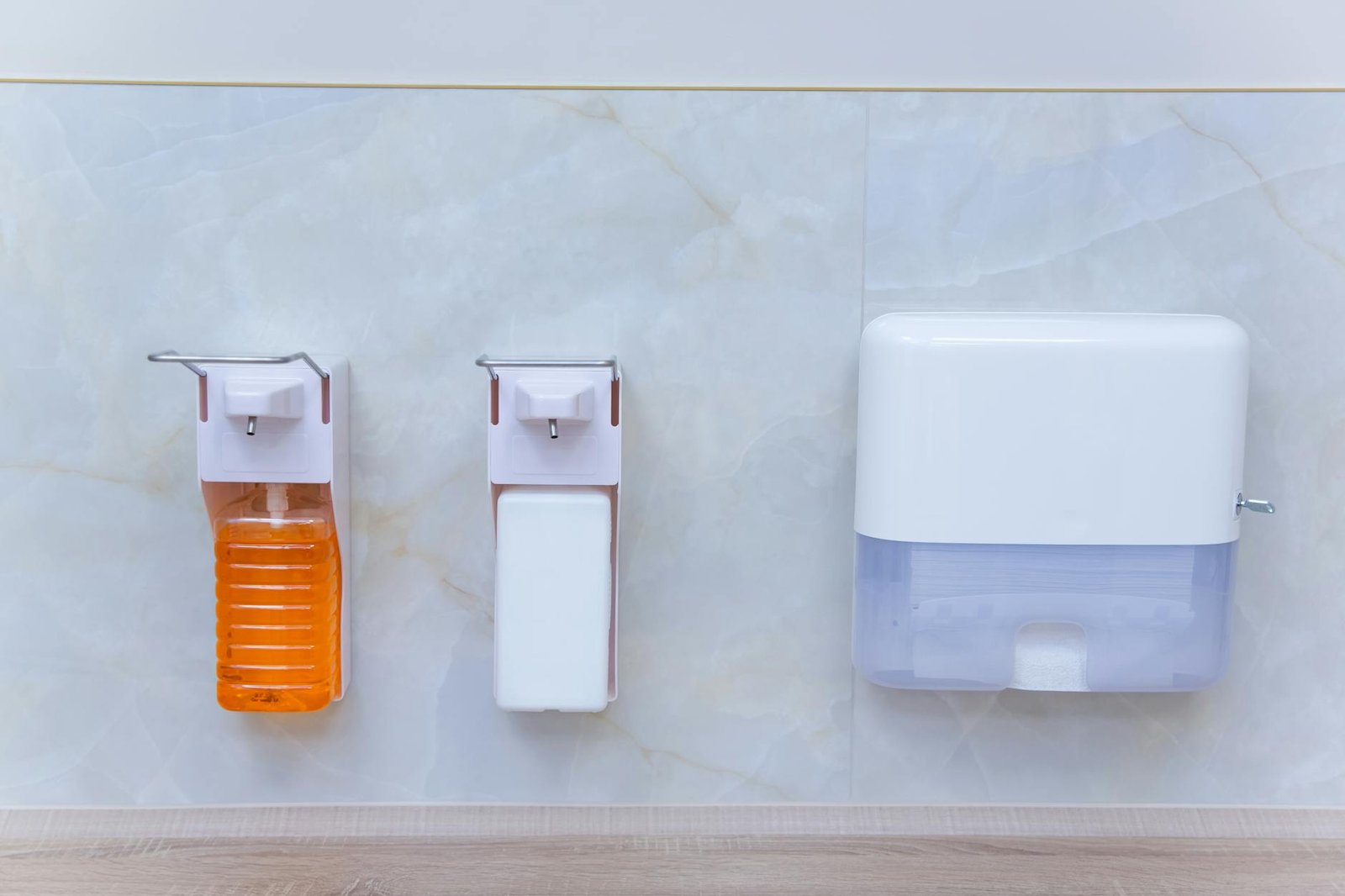
For those renting or who don’t want to mount anything permanently, I’ve also had success with a tall, narrow cabinet organizer that holds the boxes upright. The key is making sure you can access the cutting edge easily.
🧹 Creating a Maintenance System That Works
Here’s the truth nobody talks about: even the best organization system fails without regular maintenance. I learned this the hard way when my perfectly organized plastic bag system slowly devolved back into chaos over several months.
Now I have a simple monthly routine where I:
1. Check my tissue box dispenser and remove excess bags
2. Consolidate partially used boxes of storage bags
3. Replace any wrap or foil that’s running low
4. Wipe down the storage areas
This takes maybe five minutes, but it keeps everything running smoothly. I actually do this as part of my broader kitchen organization routine, similar to the systems I use for maintaining my laundry routine – consistency is everything.
🚫 Common Mistakes I’ve Made (So You Don’t Have To)
Let me save you some frustration by sharing the biggest mistakes I made while figuring this out:
**Keeping too many varieties:** I used to keep every type of bag “just in case.” Now I stick to three types of storage bags max, and it’s so much simpler.
**Storing bags in hard-to-reach places:** My first attempt involved a high cabinet. Guess what? I never used the system because it was inconvenient.
**Not considering frequency of use:** I initially stored everything together, but I use sandwich bags daily and freezer bags maybe once a month. They don’t need equal accessibility.
**Ignoring the “one in, one out” rule:** This applies to plastic bags just like any other item. When new ones come in, old ones should go out.
💡 Special Considerations for Small Kitchens
I know not everyone has tons of cabinet space to work with. In my first apartment, I had maybe two functional drawers and limited cabinet space. Here’s what worked in that tiny kitchen:
– Used the inside of cabinet doors for mounted dispensers
– Kept a small bin in my junk drawer just for sandwich bags
– Limited myself to one type of storage bag to save space
– Used magnetic strips on the side of my refrigerator for small dispensers
The principles remain the same even in small spaces – it’s just about getting creative with your solutions. Sometimes limitations actually force you to be more organized, which can be a blessing in disguise.
Just like when I was organizing my tiny home office, vertical space and multi-functional storage became my best friends.
❓ Frequently Asked Questions
How many plastic bags should I keep?
I recommend keeping no more than 10-15 grocery bags and 2-3 boxes each of your most-used storage bag sizes. Any more than this and you’re probably hoarding rather than organizing. Trust me, I’ve been there!
What’s the best place to store plastic wrap?
Inside a cabinet door is ideal – it’s easily accessible but out of sight. If that’s not possible, a drawer works well too, just make sure the boxes can lay flat and you can access the cutting edge easily.
Should I keep produce bags?
Only if you actually reuse them regularly. I keep about 5-6 in a small container, but I also make sure to use them before collecting more. Most of us collect these faster than we use them.
How do I prevent bags from taking over again?
Set limits and stick to them. When your storage container is full, it’s time to stop adding more. Also, do a monthly declutter – it takes just a few minutes and prevents major cleanouts later.
🏡 Final Thoughts
Organizing plastic bags and wraps might seem like a small detail, but it’s one of those things that can make your daily kitchen routine so much smoother. When everything has its place and you can find what you need instantly, cooking and meal prep become genuinely more enjoyable.
The key is finding systems that work for YOUR kitchen and YOUR habits. What works perfectly in my space might need tweaking for yours, and that’s completely fine. The important thing is starting with a clear plan and being willing to adjust as you discover what works best.
Remember, good organization isn’t about having the fanciest systems – it’s about creating sustainable habits that make your life easier. Start with one area (I’d suggest the tissue box method for grocery bags), get that working smoothly, then expand to other areas.
I’d love to hear about your plastic bag organization victories and challenges! Drop a comment below and let me know which method you’re planning to try first, or share your own brilliant solutions that have worked in your kitchen.