Quick Answer 🔍
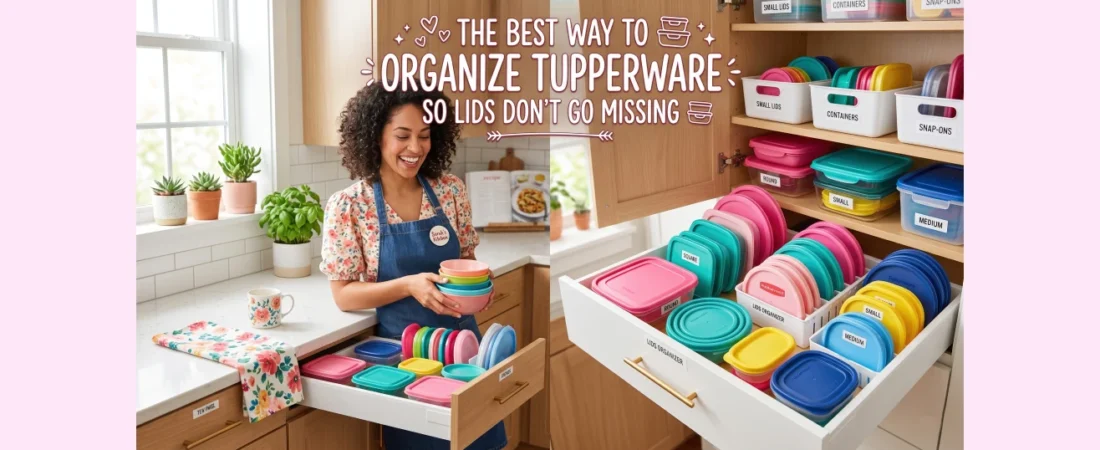
The secret to never losing Tupperware lids again is simple: store lids vertically in a separate basket or divider system next to their matching containers. Match sizes with color coding or labels, and always put lids back immediately after washing.
I’ll be honest with you – for years, my Tupperware cabinet was a complete disaster. Every time I opened that door, it felt like playing a frustrating game of “match the lid to the container.” Sound familiar? I’d spend precious minutes digging through a jumbled mess, only to give up and use aluminum foil instead.
After one particularly maddening morning when I couldn’t find a single matching lid-container combo for my meal prep, I decided enough was enough. I was going to crack the code on how to organize Tupperware lids once and for all.
Why Traditional Tupperware Storage Fails 😤
Let me share what I learned the hard way. The biggest mistake I was making? Storing lids on top of containers. Sure, it seems logical – keep them together, right? Wrong! This creates an unstable tower that topples every time you need something from the middle or bottom.
I also tried nesting everything together with lids attached, but that took up way too much space and made it impossible to grab just one container quickly. Plus, when multiple family members are putting things away (often in a hurry), that system falls apart fast.
💡 Pro Tip: The key insight that changed everything for me was treating lids as a separate category that needs its own dedicated storage system.
My Foolproof Tupperware Organization System 📦
Step 1: The Great Tupperware Purge 🧹
Before organizing anything, I pulled every single piece of food storage out of my cabinets. This was eye-opening! I discovered I had way more containers than lids, and several pieces that were cracked or stained beyond saving.
I matched every container with its lid and immediately tossed anything without a partner. Honestly, this step alone solved about 30% of my problem. No more orphaned pieces cluttering up the space!
Step 2: Create Separate Storage Zones 🏠
Here’s where the magic happens. I designated two distinct areas in my cabinet:
- Container Zone: Nested containers by size in the main cabinet space
- Lid Zone: Vertical lid storage in a separate basket or divider system
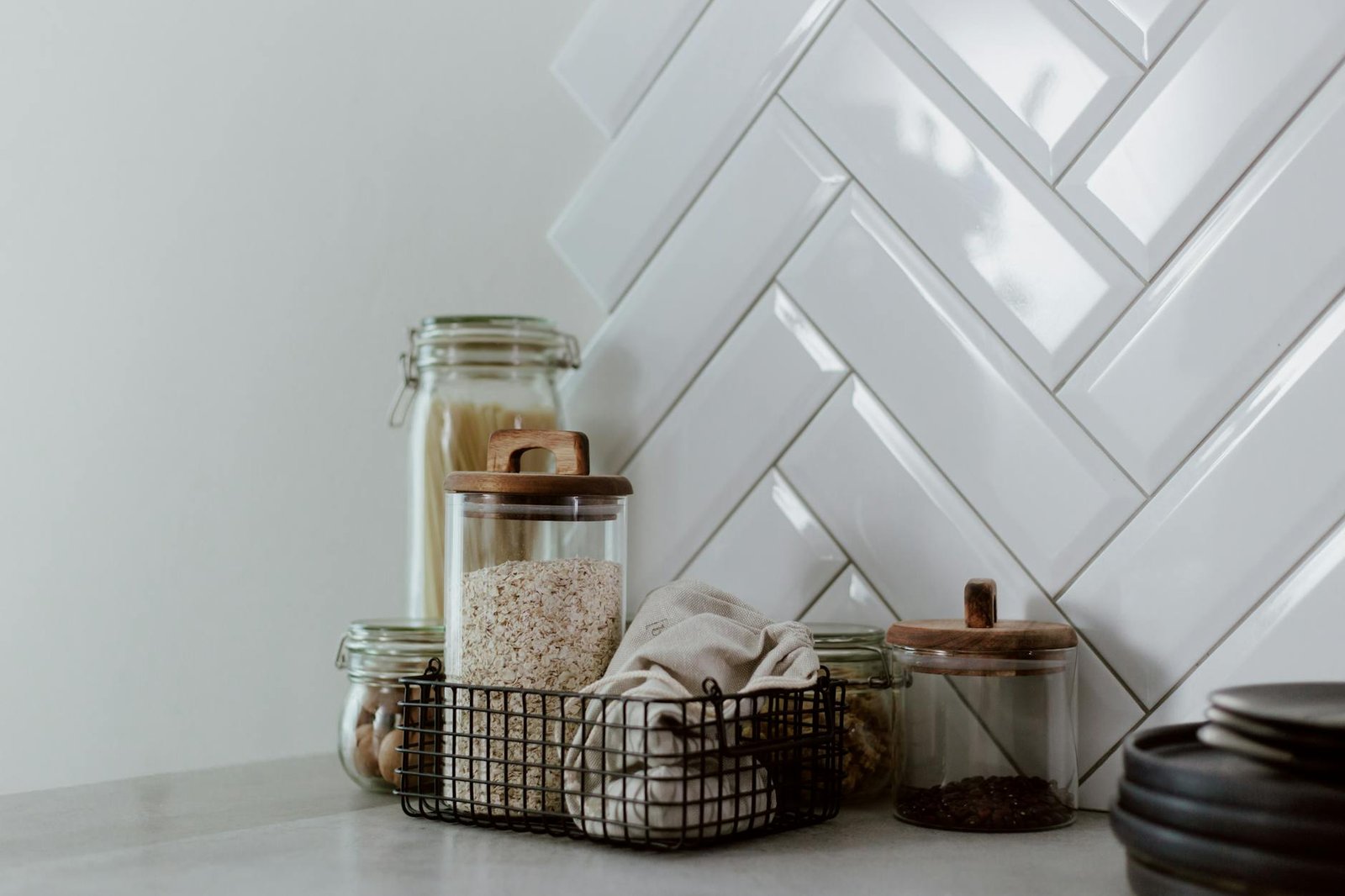
For the lid zone, I use a wire basket that fits perfectly in my cabinet. The lids stand upright like files in a filing cabinet, making it incredibly easy to see and grab exactly what I need. Game changer!
Step 3: Size-Based Organization 📏
I organize both containers and lids from smallest to largest. This creates a visual system that’s intuitive for everyone in my family. When you need a medium container, you automatically know to look in the middle section.
For families with kids, this system is especially brilliant because it’s so visual and logical that even little ones can help put things away correctly.
📖 Storage Insight: Just like organizing kitchen cabinets with deep shelves requires strategic planning, Tupperware organization benefits from thinking about accessibility and visual clarity.
Advanced Organization Tricks I Swear By 🌟
Color Coding Magic 🎨
I took my system one step further by adding small colored dots to matching lid-container pairs. Blue dot for small containers, red for medium, green for large. This might seem excessive, but when you’re rushing to pack lunches in the morning, those little visual cues are lifesavers.
The Label Method 🏷️
For clear containers that look similar, I use a label maker to put matching numbers on containers and their lids. Container #1 goes with lid #1, and so on. Simple, but incredibly effective.
Strategic Cabinet Placement 📍
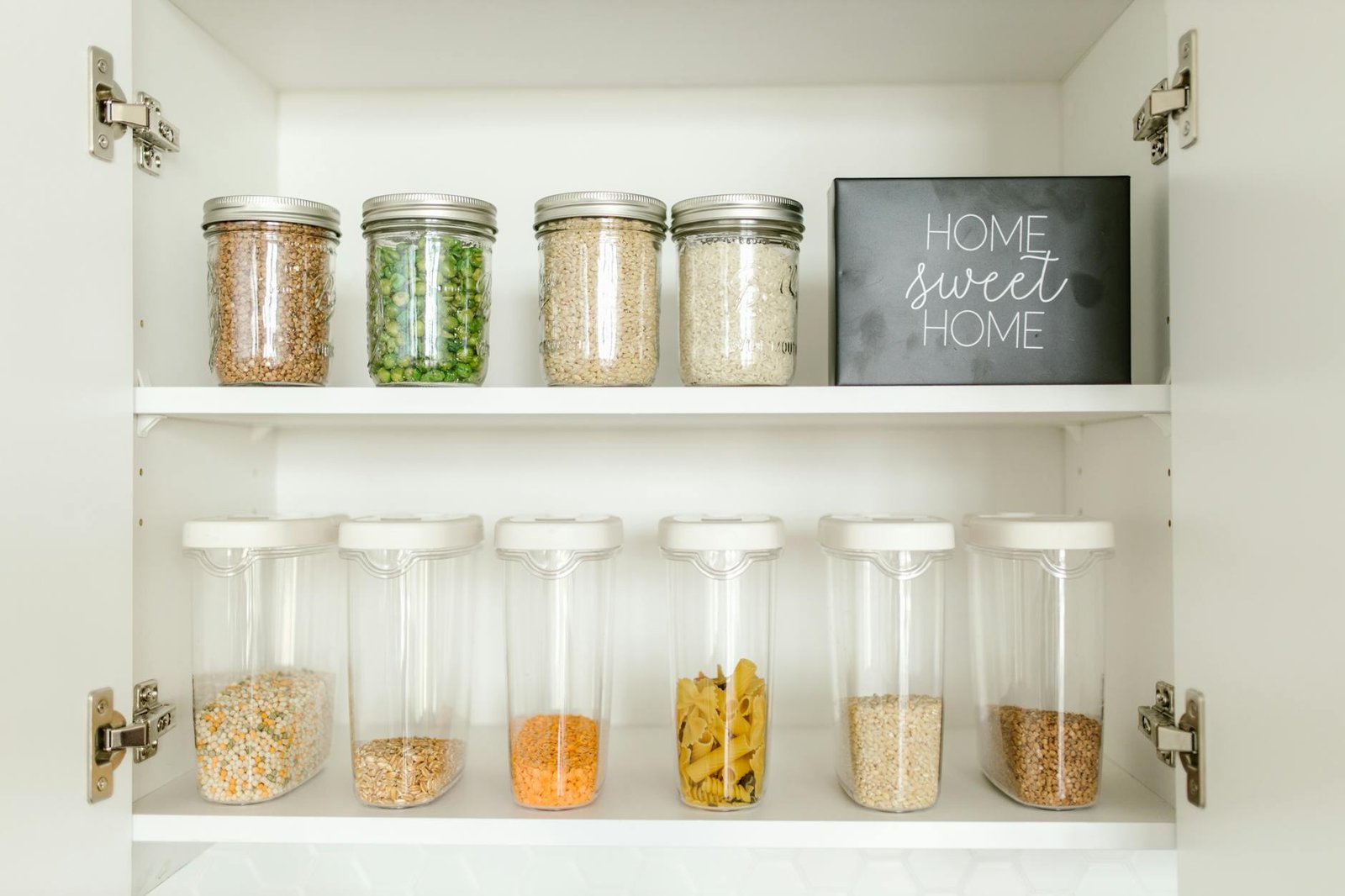
I keep my most-used sizes at eye level and within easy reach. The giant containers for storing leftovers go on the top shelf since I don’t need them daily. Small snack containers stay at kid-height so my children can grab them independently.
This placement strategy works just as well as the organization systems I use for other areas of my home, like my pantry organization system, where frequency of use determines placement.
Maintaining Your System Long-Term 🔄
Here’s what I’ve learned about keeping this system working: it requires everyone in the household to buy into the process. I had a family meeting (yes, really!) to explain the new system and why it matters.
The rule in my house is simple: if you use it, you wash it and put it back properly. No exceptions. It took about two weeks for the habit to stick, but now it’s second nature.
I do a quick “Tupperware audit” once a month, usually when I’m doing my regular kitchen deep clean. This helps catch any pieces that have wandered off or gotten misplaced before the system breaks down.
💡 Maintenance Tip: Keep a small basket in your dishwasher for Tupperware pieces. This prevents lids from getting lost in the bottom rack and makes unloading more systematic.
Common Mistakes to Avoid ❌
After helping several friends implement this system, I’ve noticed some common pitfalls:
- Buying more containers thinking that’s the solution – Organization always comes before acquisition
- Making the system too complicated – Simple systems last longer
- Not involving family members – Everyone needs to understand and use the system
- Storing wet pieces – Always ensure everything is completely dry to prevent mold and odors
Just like with organizing important papers, the key is creating a system that’s so simple and logical that maintaining it becomes effortless.
FAQ: Tupperware Organization 🤔
Q: What if I have different brands of containers with different shaped lids?
A: I group similar shapes and sizes together, regardless of brand. Square lids go with square containers, round with round. If you have wildly different systems, consider gradually replacing mismatched pieces with a cohesive set over time.
Q: How do I organize glass containers differently from plastic ones?
A: I actually keep glass and plastic containers in separate areas because they serve different purposes in my kitchen. Glass containers get prime real estate since I use them for meal prep and reheating. The organization principles remain the same though!
Q: What about those really large containers that don’t nest well?
A: Large, awkward containers get their own designated spot – usually a deep drawer or lower cabinet shelf. I store their lids in the same area rather than with the other lids, since these containers are typically used less frequently.
Q: How often should I reassess my Tupperware collection?
A: I do a thorough review every six months, usually during my spring and fall cleaning sessions. This is when I check for cracked pieces, reassess what sizes I actually use, and make sure my system is still working for my family’s needs.
The Results Speak for Themselves ✨
I’m not exaggerating when I say this system has transformed my kitchen routine. Meal prep is faster, lunch packing is stress-free, and I actually enjoy putting away clean containers instead of dreading it.
My kids can now grab their own snack containers without creating chaos, and my husband (bless him) can actually find what he needs and put things back correctly. It’s amazing how such a simple organizational change can reduce daily stress.
The best part? This system scales beautifully. Whether you have a massive collection or just a few essential pieces, the principles remain the same. Vertical lid storage, size-based organization, and consistent maintenance habits will keep your Tupperware situation under control.
Similar to how proper kitchen cabinet organization makes cooking more enjoyable, having an organized food storage system makes the entire kitchen function better.
Ready to Transform Your Tupperware Chaos? 🚀
The truth is, organizing Tupperware lids isn’t rocket science – it just requires a thoughtful system and the commitment to maintain it. Start with the purge, create your separate storage zones, and give it a few weeks to become habit.
I promise you’ll wonder why you waited so long to tackle this project. Those few minutes you’ll invest upfront will save you hours of frustration down the road, not to mention the satisfaction of opening a perfectly organized cabinet every single day.
Have you tried organizing your Tupperware with a similar system? I’d love to hear about your wins and challenges in the comments below! What tricks have worked best for your family?