Quick Answer
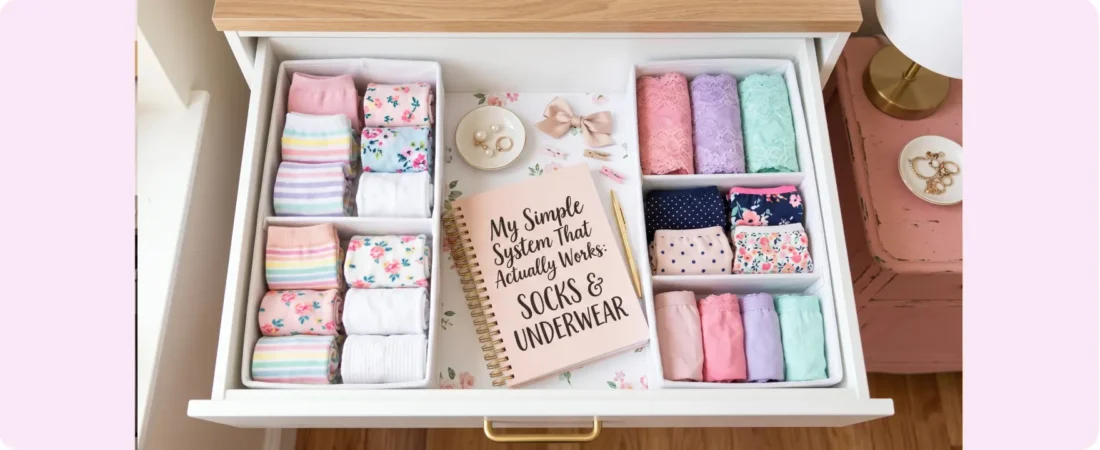
The key to organizing socks and underwear: Use drawer dividers to create separate compartments, fold underwear in thirds and roll socks into neat balls, arrange by type and color, and maintain the system by putting items back in their designated spots immediately after laundry.
I’ll be honest with you – my sock and underwear drawer used to be an absolute disaster. Every morning started with me frantically digging through a tangled mess, searching for matching socks while running late. Sound familiar? After years of struggling with this daily chaos, I finally developed a system that actually works, and I’m excited to share it with you.
🧦 Why Drawer Organization Matters More Than You Think
In my experience, an organized underwear drawer does more than just save you time in the morning. It sets the tone for your entire day. When you open that drawer and see everything neatly arranged and easy to find, it gives you a small sense of accomplishment before you’ve even gotten dressed.
I used to think organizing underwear drawers was trivial – I mean, who’s going to see it anyway? But honestly, the mental clarity that comes from knowing exactly where everything is has been life-changing. No more stress, no more wasted time, and definitely no more wearing mismatched socks because I couldn’t find the pair.
💡 Pro Tip: Start with a completely empty drawer. I know it seems obvious, but you’d be surprised how many people try to organize around existing clutter. Trust me, starting fresh makes all the difference.
🗂️ The Foundation: Choosing the Right Dividers
The game-changer for me was investing in proper drawer dividers. I’ve tried everything from cardboard boxes to fancy custom organizers, and here’s what I’ve learned: you don’t need anything expensive or complicated.
My current system uses adjustable fabric dividers that create separate compartments for different items. I have one section for bras, another for underwear, one for socks, and a small section for special occasion items like shapewear or fancy lingerie.
The key is making sure your dividers actually fit your drawer dimensions. I made the mistake early on of buying dividers that were too big, which left awkward gaps where items would inevitably migrate and create chaos again.
📖 Remember: Measure your drawer first! I learned this lesson the hard way after buying beautiful organizers that didn’t fit properly.
✨ My Divider Setup Strategy
I arrange my dividers based on frequency of use. The items I reach for daily – everyday bras and underwear – get the most accessible spots. Special occasion items go in the back corner where they’re out of the way but still organized.
For socks, I create smaller compartments because they’re easier to organize when they have defined spaces. I typically have one section for athletic socks, one for dress socks, and another for casual everyday socks.
👙 The Folding Method That Changed Everything
Here’s where most people go wrong – they just toss everything in without a proper folding system. I used to be guilty of this too, but the right folding technique makes all the difference in maintaining organization.
🩲 Underwear Folding Technique
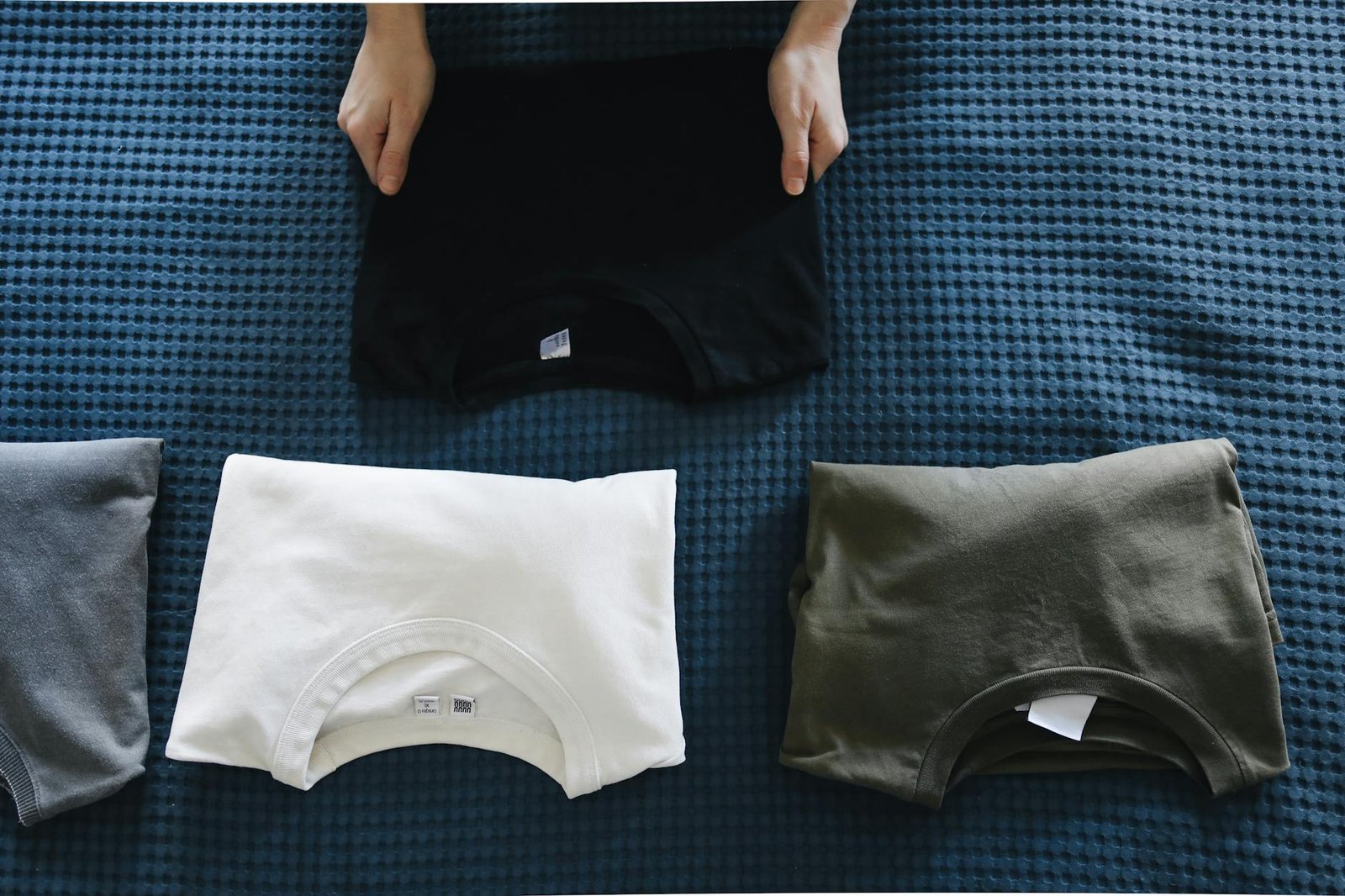
For underwear, I use what I call the “thirds method.” I fold each piece in thirds lengthwise, then fold in half. This creates uniform rectangles that stack beautifully and stay neat even when you’re rummaging through the drawer.
The beauty of this method is that you can see each piece clearly when looking down into the drawer. No more digging underneath piles to find what you need. I arrange them with the waistbands facing up so I can quickly identify each style.
🧦 The Perfect Sock Strategy
Socks were my biggest challenge until I discovered the rolling method. Instead of folding socks in half or balling them up traditionally, I lay them flat, fold the toe end up about a third of the way, then roll them into neat cylinders.
This method keeps pairs together without stretching the elastic (a problem I had with the old sock-ball method), and the rolled socks fit perfectly in small divider compartments. I can fit twice as many socks in the same space, and they stay organized naturally.
👙 Bra Organization Made Simple
Bras need special treatment because of their structure. I never fold bras – instead, I nest the cups inside each other and lay them flat in their designated section. This preserves their shape and makes it easy to see all options at a glance.
For sports bras, which are more flexible, I fold them in half and stack them vertically so I can see each one without moving others around.
🌈 Color Coordination and Arrangement Tips
I arrange everything by color within each category, and it’s made such a difference in both appearance and functionality. Dark colors on one side, lighter colors on the other, with neutrals in between.
This system helps me quickly grab coordinating pieces and makes the drawer look intentionally organized rather than just functional. It’s similar to how I approach organizing digital files – having a clear system makes everything more accessible.
For socks, I group by type first, then arrange by color within each type. Athletic socks together, dress socks together, and so on. This way, I’m not accidentally grabbing a dressy sock when I need something for the gym.
💡 Quick Tip: Keep a small basket nearby for items that need repair or replacement. This prevents damaged items from cluttering your organized drawer while ensuring you don’t forget to address them.
🔄 Maintaining Your System Long-Term
The biggest challenge isn’t creating the system – it’s maintaining it. I’ve learned that the key to long-term success is making the maintenance as easy as possible.
Every time I do laundry, I fold and organize items immediately rather than letting clean clothes pile up. This habit, which I developed alongside my laundry routine, prevents the drawer from reverting to chaos.
I also do a quick drawer reset once a month, taking everything out and reorganizing. This helps me identify items that need replacing and ensures the system stays fresh and functional.
🔧 Troubleshooting Common Problems
If you find items constantly migrating out of their designated spots, your compartments might be too small. I’ve adjusted my divider setup several times to find the right balance between organization and accessibility.
For drawers that don’t close properly after organizing, the issue is usually over-packing. I learned to leave some breathing room in each compartment – items should fit comfortably without being compressed.
❓ Frequently Asked Questions
How often should I reorganize my underwear drawer?
I do a complete reorganization about once every three months, but I maintain the system daily by putting items back in their proper places immediately after laundry. A quick monthly tidy-up helps catch any issues before they become problems.
What’s the best way to handle different seasons of clothing?
I rotate seasonal items to different areas of the drawer rather than storing them elsewhere. Summer items go toward the front during warm months, with winter items moving to less accessible spots. This keeps everything in one place while prioritizing what I use most.
Should I organize by brand or by type?
In my experience, organizing by type works better than organizing by brand. I group all everyday underwear together, all sports bras together, and so on. This makes it easier to find what I need based on my outfit or activity rather than remembering which brand makes what.
How do I deal with items that don’t fit the folding system?
Some items like lacy lingerie or delicate pieces don’t fold well with my standard method. I designate a special section with a shallow container where these items can lay flat without being compressed. The key is having a designated spot rather than just tossing them in randomly.
🎯 Final Thoughts
Creating an organized sock and underwear drawer isn’t just about tidiness – it’s about starting each day with intention and eliminating unnecessary stress. The system I’ve shared has saved me countless minutes every morning and given me a sense of control over at least one area of my life.
Remember, the best organizational system is the one you’ll actually use consistently. Don’t feel like you need to implement everything at once. Start with dividers and basic folding, then refine your system as you discover what works best for your specific needs and space.
The time investment upfront – maybe an hour to set everything up initially – pays dividends every single day when you open that drawer and everything is exactly where it should be.
What’s your biggest challenge with drawer organization? I’d love to hear about your experiences and any creative solutions you’ve discovered. Share your thoughts in the comments below!