🚀 Quick Answer
Keep kitchen countertops organized by following the “only daily essentials” rule, creating designated zones for different activities, using vertical storage solutions, and implementing a 10-minute daily reset routine. Store appliances you don’t use daily in cabinets or pantry areas.
I’ll be honest with you – my kitchen countertops used to be a disaster zone. Coffee makers, toasters, mail, keys, random kitchen gadgets I barely used, and don’t even get me started on the pile of papers that somehow always ended up there. If this sounds familiar, you’re definitely not alone!
After years of battling cluttered counters and finally finding systems that actually work, I’m excited to share everything I’ve learned about how to organize kitchen countertops and, more importantly, keep them clear for the long haul.
🎯 The “Only Daily Essentials” Rule
This is my number one rule, and honestly, it changed everything for me. I used to keep my stand mixer, food processor, rice cooker, and about five other appliances on my counters “just in case” I needed them. Spoiler alert: I didn’t need them there every day!
Here’s what I consider true daily essentials in my kitchen:
- Coffee maker (because, priorities!)
- Dish soap and hand soap dispensers
- A small cutting board for quick prep
- Salt and pepper grinders
- A knife block or magnetic strip
Everything else gets stored away. Yes, even that beautiful stand mixer that cost a fortune – if you’re only using it twice a month, it doesn’t deserve prime counter real estate.
💡 Pro Tip: Create an appliance “garage” in a lower cabinet or pantry area. I installed pull-out shelves in one of my base cabinets, and now I can easily access my less-used appliances without them cluttering my workspace.
🗂️ Create Designated Zones
This strategy was a game-changer for me. Instead of having a free-for-all countertop situation, I created specific zones for different activities. Here’s how I divided my kitchen:
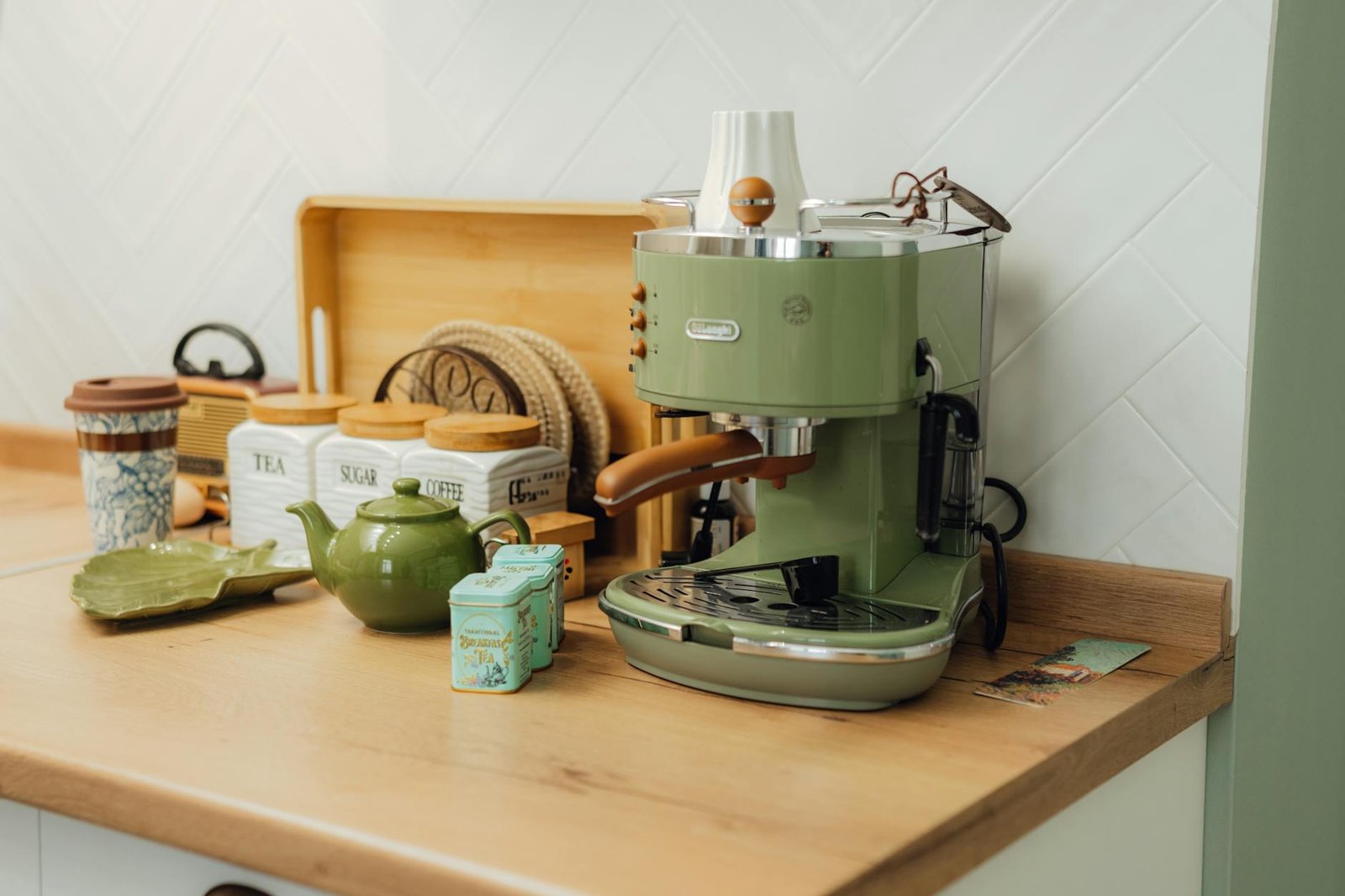
☕ Coffee Station Zone
I designated one corner of my counter as the official coffee zone. My coffee maker lives here along with a small container for coffee pods, sugar, and a mug tree. Everything coffee-related stays in this one area, which makes my morning routine so much smoother.
🥗 Prep Zone
Right next to my sink, I keep a cutting board stand and my most-used knives. This area stays clear except when I’m actually cooking. Having a specific prep zone means I’m not spreading ingredients and tools all over the entire counter.
🍞 Breakfast Zone
Near my refrigerator, I have a small area where I keep the toaster and a basket with breakfast essentials like peanut butter and honey. This keeps breakfast prep contained to one spot.
📖 Remember: The key to successful zones is being realistic about your habits. Don’t create a smoothie station if you only make smoothies once a month!
📦 Smart Storage Solutions
In my experience, the best countertop organization happens when you maximize your vertical space and hidden storage options. Here are the solutions that have worked wonders in my kitchen:
🔝 Go Vertical
Wall-mounted solutions are your best friend! I installed a magnetic knife strip on the wall, which freed up so much counter space. I also use command hooks under my upper cabinets for measuring cups and frequently used utensils.
A three-tier fruit basket has been amazing for storing produce without taking up much footprint. Plus, it keeps fruits and vegetables visible so we actually eat them instead of forgetting about them in drawers.
🗄️ Hidden Storage Wins
I’m obsessed with utilizing the space under my cabinets. Small battery-powered LED lights make these areas more functional, and I store things like paper towels and cleaning supplies there using simple adhesive hooks.
Similar to my kitchen drawer organization approach, I use drawer dividers in my countertop drawers to keep small items from becoming a jumbled mess.
🧹 The 10-Minute Daily Reset
Here’s what I’ve learned: organization systems only work if you maintain them. Every night before bed, I spend exactly 10 minutes doing a countertop reset. This habit has been absolutely crucial for keeping my kitchen looking organized.
My 10-minute routine includes:
- Put away any items that don’t belong on counters
- Wipe down all surfaces
- Return items to their designated zones
- Load or run the dishwasher
- Quick sweep of crumbs and spills
Honestly, most days it takes less than 10 minutes, but setting that time limit keeps me from overthinking it or getting overwhelmed.
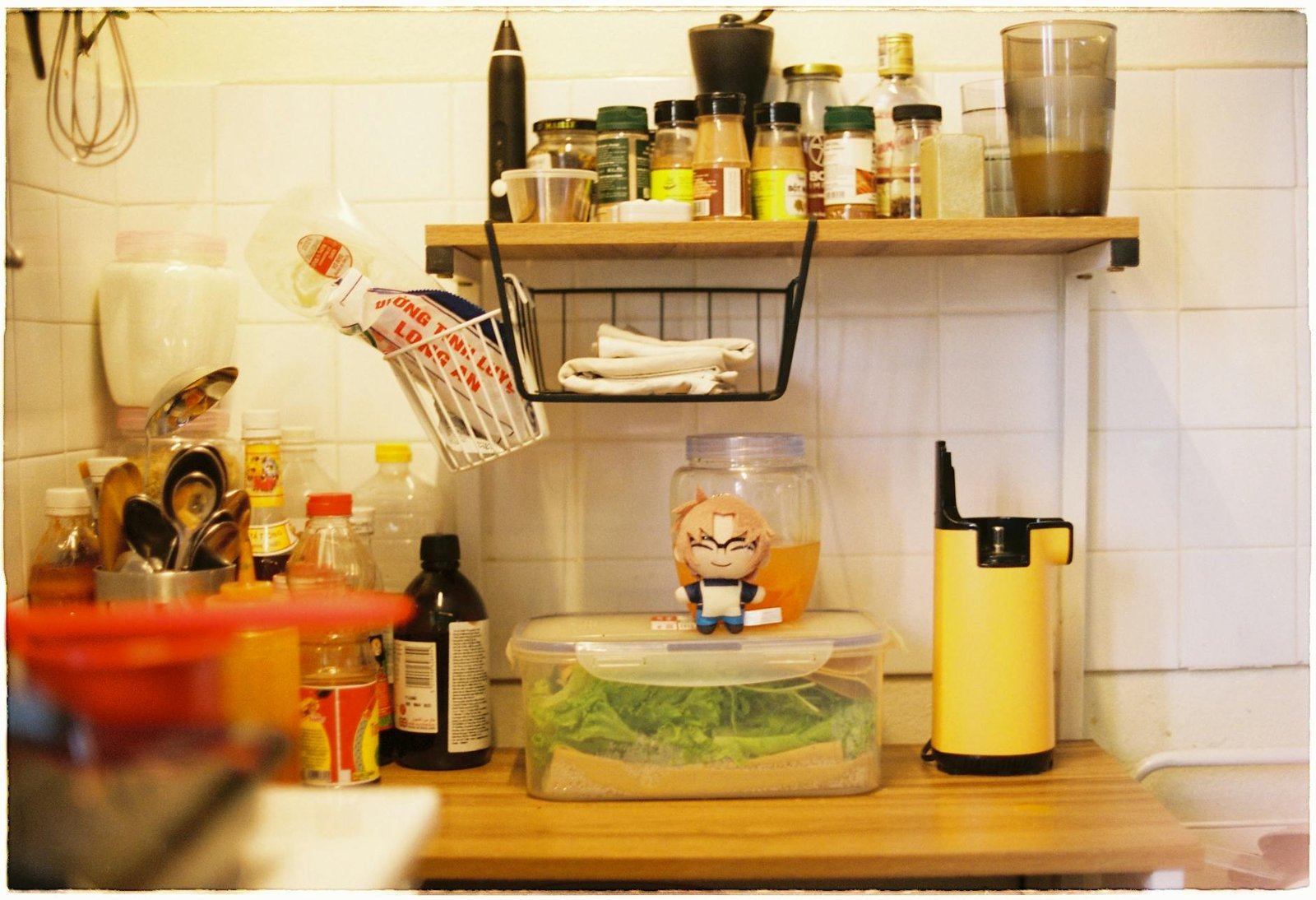
The dramatic difference that proper countertop organization can make in your kitchen
🚫 Common Mistakes I Made (So You Don’t Have To)
🎪 The “Beautiful Display” Trap
I used to think every inch of my counter needed to be “decorated” with pretty canisters, plants, or decorative items. The truth? Less is definitely more when it comes to functional kitchen spaces. Save the pretty displays for areas that don’t need to be workspace.
📬 The Mail and Paper Magnet
For the longest time, my kitchen counter was where all mail, school papers, and random documents landed. I finally solved this by creating a simple command center near my entryway with file organizers and a small bulletin board. This approach works just as well as the system I use for organizing important papers in my office.
⚡ The “Just for Now” Syndrome
You know what I mean – when you tell yourself you’ll just put something on the counter “for now” and then it lives there for three months. I had to train myself to either put things in their proper place immediately or not put them down at all.
🔧 Dealing with Limited Storage
Not everyone has endless cabinet space (I certainly don’t!), so here are some creative solutions I’ve discovered:
Rolling carts have been a lifesaver in my small kitchen. I can move them around as needed and store them in a corner or even a closet when not in use. I keep one stocked with baking supplies and roll it out when I’m making cookies or bread.
Over-the-sink cutting boards create extra workspace without permanent installation. I also love using the inside of cabinet doors for storing flat items like baking sheets and cutting boards.
Just like with refrigerator organization, the key is making every inch count and being creative with your available space.
🎯 Maintaining Your System Long-Term
The biggest lesson I’ve learned is that sustainable organization systems need to match your lifestyle, not fight against it. If you’re someone who uses the blender every morning, keep it out! If you only bake once a month, store those supplies elsewhere.
I also learned to involve my family in the system. Everyone knows where things belong, and we all stick to the 10-minute evening reset. It’s amazing how much easier it is to maintain organization when everyone’s on board.
💡 Game Changer: Take a photo of your perfectly organized countertops and keep it on your phone. When things start to get messy, you’ll have a visual reminder of how good it feels (and looks) when everything’s in its place.
❓ Frequently Asked Questions
How do I decide what appliances to keep on my counters?
I use the “daily use test” – if I don’t use something at least 4-5 times per week, it goes in a cabinet. The only exception is my coffee maker because, honestly, coffee is non-negotiable in my house!
What if my family doesn’t stick to the organization system?
This was definitely a challenge for me initially. I found that making the system as simple as possible helped a lot. Also, leading by example and gently reminding everyone about our “homes” for different items eventually created the habit. It takes time, but consistency really works.
How do I organize countertops in a very small kitchen?
Focus even more heavily on vertical storage and multi-functional items. I’d recommend keeping only 2-3 essential items on your counters max, and really utilizing wall space, cabinet doors, and the space under cabinets. Every surface needs to work double duty in a small kitchen.
Should I store dish soap and hand soap on the counter?
I think yes, but keep them contained and attractive. I use matching pump dispensers for both and keep them in a small tray near my sink. They’re used multiple times daily, so they earn their counter space, plus keeping them visible means we actually remember to wash our hands!
✨ Your Kitchen Counter Transformation Starts Today
Organizing your kitchen countertops doesn’t have to be overwhelming or perfect from day one. Start with clearing everything off, decide on your daily essentials, create simple zones, and implement that 10-minute daily reset routine. Trust me, once you experience the calm that comes with clear, organized counters, you’ll never want to go back to the cluttered chaos.
Remember, this is about creating a system that works for YOUR life and YOUR cooking habits. Don’t try to copy someone else’s setup exactly – adapt these ideas to fit your space and routine.
The best part? Once you have your countertops organized, you’ll probably find yourself inspired to tackle other areas of your home too. There’s something contagious about that organized, peaceful feeling!
I’d love to hear about your countertop organization wins and challenges! What’s currently living on your kitchen counters that probably shouldn’t be there? Drop a comment below and let’s help each other create the organized, functional kitchens we deserve. 🏠✨