Quick Answer
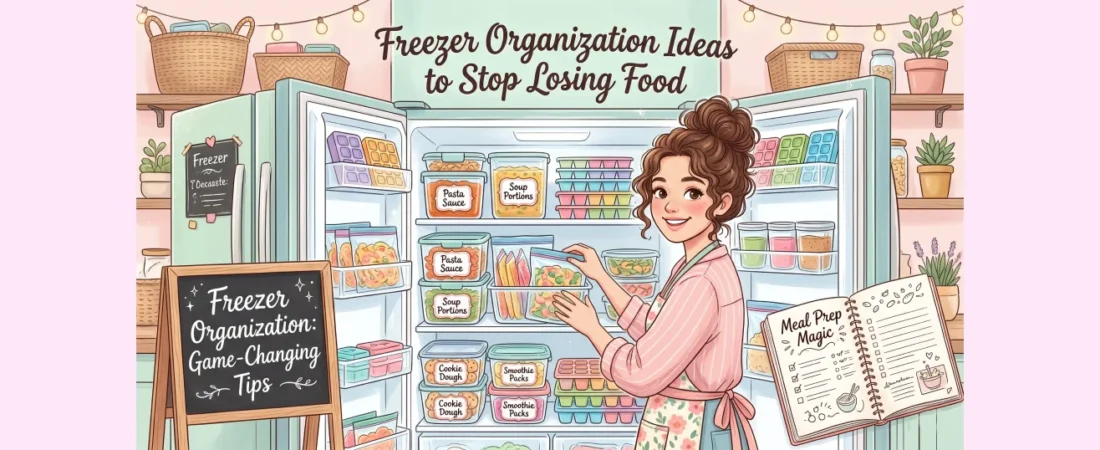
The key to freezer organization is creating zones by food type, using clear containers and labels, implementing a “first in, first out” rotation system, and maintaining an inventory list. Start by completely emptying your freezer, grouping similar items together, and investing in stackable bins and freezer-safe containers.
I’ll be honest with you – my freezer used to be a black hole where good intentions went to die. You know the drill: you buy meat on sale with grand plans for future meals, toss it in the freezer, and somehow it disappears into the depths never to be seen again. Until six months later when you’re doing a deep clean and find that mystery package covered in ice crystals.
After years of throwing away perfectly good food and feeling guilty about the waste, I finally cracked the code on freezer organization. Now I actually use what I store, and my grocery budget thanks me for it. Let me share the freezer organization ideas that completely transformed my kitchen – and will transform yours too.
🧊 Start with a Complete Freezer Reset
Before you can organize anything, you need to see what you’re working with. I learned this lesson the hard way after trying to organize around existing chaos – it just doesn’t work.
Take everything out of your freezer and lay it on your counter. Yes, everything. This might feel overwhelming, but trust me on this one. As you’re pulling items out, check expiration dates and toss anything that’s clearly past its prime or looks freezer-burned beyond recognition.
Group similar items together as you go – all the vegetables in one pile, meats in another, frozen meals together, and so on. This gives you a clear picture of what you actually have and what kinds of storage solutions you’ll need.
💡 Pro Tip: Do your freezer reset when you’re already running low on frozen foods. It’s much easier to organize when you’re not drowning in items, and you won’t risk anything thawing while you work.
🗂️ Create Zones That Make Sense
Just like organizing any other space, your freezer needs designated zones. I divide mine into five main areas:
- Ready-to-eat meals: Frozen dinners, leftovers, and prepared foods
- Proteins: Meat, poultry, fish, and meat substitutes
- Vegetables and fruits: Both store-bought frozen and fresh items I’ve frozen myself
- Breads and baked goods: Bread, rolls, pastries, and homemade baked items
- Ice cream and treats: Because let’s be real, these deserve their own special place
The key is to keep these zones consistent. When I’m putting groceries away or looking for something specific, I know exactly where to go. No more digging through everything to find that bag of frozen peas!
📦 Invest in the Right Storage Solutions
This is where the magic happens, and honestly, it’s been a total game-changer for me. The right containers make all the difference between a system that works and one that falls apart after a week.
🔲 Clear, Stackable Bins
These are my absolute favorite freezer organization tool. I use different sizes for different zones – larger bins for bulky items like frozen pizzas, smaller ones for things like frozen fruit or individual meal portions. Being able to see what’s in each bin without opening it saves so much time and prevents that cold air from escaping.
🏷️ Labels and Dating System
I cannot stress this enough – label everything with both the contents and the date. I use a simple label maker, but even masking tape and a Sharpie work perfectly. For items I freeze myself, I always write the date and what it is right on the freezer bag or container.
🥶 Freezer-Safe Containers
Not all containers are created equal when it comes to freezer storage. I learned this after having several cheap containers crack in the cold. Look for containers specifically designed for freezer use – they’ll maintain their integrity and prevent freezer burn much better.
📖 Organization Tip: Just like organizing important papers, having a system for your frozen foods prevents loss and saves time. The key is consistency in your approach.
📋 Keep an Inventory List
This might sound overly complicated, but hear me out. I keep a simple list on my phone of what’s in my freezer, organized by zone. When I add something new, I add it to the list. When I use something, I delete it.
This has been incredible for meal planning and grocery shopping. No more buying duplicate items because I forgot I already had them, and no more standing with the freezer door open trying to remember what’s buried in the back.
You don’t need anything fancy – I just use the notes app on my phone. Some people prefer a magnetic notepad on the freezer door, which works great too. The important thing is finding a system you’ll actually maintain.
🔄 Implement a Rotation System
The “first in, first out” principle isn’t just for restaurants – it’s crucial for home freezers too. When I add new items, they go in the back. When I’m looking for something to cook, I grab from the front.
This simple system has virtually eliminated food waste in my freezer. Those items that used to get pushed to the back and forgotten now get used in a reasonable timeframe.
🍽️ Meal Prep Zone Optimization
If you’re into meal prep like I am, dedicate a specific area of your freezer to ready-to-grab meals. I use rectangular containers that stack nicely and portion out soups, casseroles, and other freezer-friendly meals.
I also freeze individual portions of things like cooked rice, quinoa, and even chopped vegetables. Having these basics ready to go makes weeknight cooking so much easier. It’s similar to how organizing your workspace sets you up for productivity – having your kitchen organized sets you up for successful meals.
🔧 Maintenance Tips That Actually Work
The best organization system in the world won’t work if you don’t maintain it. Here’s what I’ve learned about keeping my freezer organized long-term:
- Do a quick reorganization weekly: When I’m meal planning for the next week, I spend five minutes tidying up the freezer
- Update my inventory list immediately: As soon as I add or remove something, I update my list
- Set reminders for older items: If something’s been in there for a while, I set a phone reminder to use it soon
- Clean out monthly: Once a month, I do a quick check for anything that needs to be used up or tossed
💡 Remember: Like any organizational system, the key is starting simple and building habits gradually. Don’t try to implement everything at once – pick one or two strategies and master those first.
❓ Frequently Asked Questions
How often should I completely reorganize my freezer?
In my experience, a complete reorganization every 3-4 months works well for most households. However, if you do weekly meal prep or have a large family, you might need to do it monthly. The key is not letting it get completely chaotic before you address it.
What’s the best way to prevent freezer burn?
Proper packaging is everything. I remove as much air as possible from bags, use freezer-specific containers, and make sure everything is sealed tightly. Double-wrapping items in freezer paper or foil before putting them in bags also helps significantly.
How long can I safely keep different foods in the freezer?
While frozen food can be safe indefinitely at 0°F, quality definitely declines over time. I follow these general guidelines: cooked meals (2-3 months), raw ground meat (3-4 months), whole cuts of meat (6-12 months), and vegetables (8-12 months). When in doubt, trust your nose and eyes when you thaw it.
Should I organize my freezer differently if it’s a chest freezer versus an upright freezer?
Absolutely! Chest freezers require more strategic organization since everything stacks on top of each other. I use more bins and baskets in chest freezers to create “layers” and prevent things from getting buried at the bottom. Upright freezers are easier to organize like a pantry with shelves, but the same zoning principles apply to both types.
🎯 Your Organized Freezer Awaits
Transforming your freezer from a chaotic food graveyard into an organized, efficient storage space isn’t as overwhelming as it might seem. Start with that complete reset, implement zones that make sense for your family’s eating habits, invest in proper storage containers, and commit to maintaining the system.
The best part? Once you have this system in place, you’ll actually save money by using what you buy and avoid those guilt-inducing discoveries of forgotten food. Plus, meal planning becomes so much easier when you can actually see what you have to work with.
Remember, the perfect organization system is the one you’ll actually use consistently. Start simple, be patient with yourself as you build new habits, and adjust the system as needed to fit your lifestyle.
I’d love to hear about your freezer organization wins and challenges! What’s your biggest struggle with freezer organization, or what tip has worked best for you? Drop a comment below and let’s help each other create freezers that actually work for us instead of against us.