Quick Answer ⚡
The best dresser organization ideas include using drawer dividers, implementing the file folding method, designating specific drawers for categories, and maintaining a weekly organization routine. Start with decluttering, then create zones for different clothing types.
I’ll be honest with you – my dresser used to be a complete disaster. You know that feeling when you open a drawer and everything just explodes out like a clothing volcano? That was my daily reality until I discovered some game-changing organization strategies that transformed my entire bedroom experience.
After years of struggling with messy drawers and never finding what I needed, I finally cracked the code on dresser organization. Today, I’m sharing the exact methods that turned my chaotic dresser into a perfectly organized storage system that actually stays tidy.
Why Dresser Organization Matters for Your Bedroom 🏠
In my experience, an organized dresser is the foundation of a peaceful bedroom. When your clothes have designated homes and you can find everything easily, your entire morning routine becomes smoother. I used to spend 10-15 minutes every morning digging through messy drawers, but now I can get dressed in under 5 minutes.
The visual impact is incredible too. A tidy dresser top and organized drawers create a sense of calm that extends throughout your entire bedroom space. It’s amazing how much mental clarity you gain when your clothes storage is under control.
💡 Pro Tip: Start your dresser organization project on a weekend morning when you have plenty of natural light and energy. You’ll be amazed at how much easier it becomes to make decisions about what to keep and what to donate.
The Complete Dresser Decluttering Process 📦
Before diving into organization systems, I always start with a thorough declutter. This step is non-negotiable if you want lasting results. Here’s my proven process:
First, I remove everything from every drawer. Yes, everything! Lay it all out on your bed so you can see exactly what you’re working with. This visual inventory is eye-opening – I’m always surprised by how much stuff accumulates in dresser drawers.
Next, I create three piles: keep, donate, and trash. Be ruthless here. If you haven’t worn something in over a year or it doesn’t fit properly, it goes in the donate pile. Damaged items beyond repair go straight to trash.
The key is being honest with yourself about what you actually wear. I used to hold onto clothes “just in case,” but that mindset only creates clutter. Now I focus on keeping pieces I genuinely love and wear regularly.
📖 Remember: If you’re struggling with bedroom decluttering in general, check out my guide on how to declutter your bedroom in one weekend for a complete room transformation approach.
Sorting Your Keepers 👕
Once you’ve decided what stays, sort everything into categories. I typically use these groupings:
- Underwear and bras
- Socks and hosiery
- T-shirts and casual tops
- Pajamas and loungewear
- Workout clothes
- Sweaters and knitwear
- Jeans and casual pants
This categorization will guide your drawer assignments and help you determine what organizational tools you’ll need.
Smart Drawer Assignment Strategy 🗂️
The secret to successful dresser organization is strategic drawer assignment. I’ve learned that accessibility should drive your decisions – frequently used items go in the easiest-to-reach drawers.
Here’s my go-to drawer hierarchy:
Top drawer: Daily essentials like underwear, bras, and socks. This drawer gets opened every single day, so it should be the most organized and accessible.
Second drawer: T-shirts, tank tops, and other frequently worn casual pieces. These are items you reach for regularly throughout the week.
Third drawer: Pajamas, loungewear, and workout clothes. Still important, but not daily necessities for everyone.
Bottom drawer: Heavier items like jeans, sweaters, or seasonal pieces. The bottom drawer can handle more weight and is perfect for bulkier clothing.
The Magic of Drawer Dividers and Organizers ✨
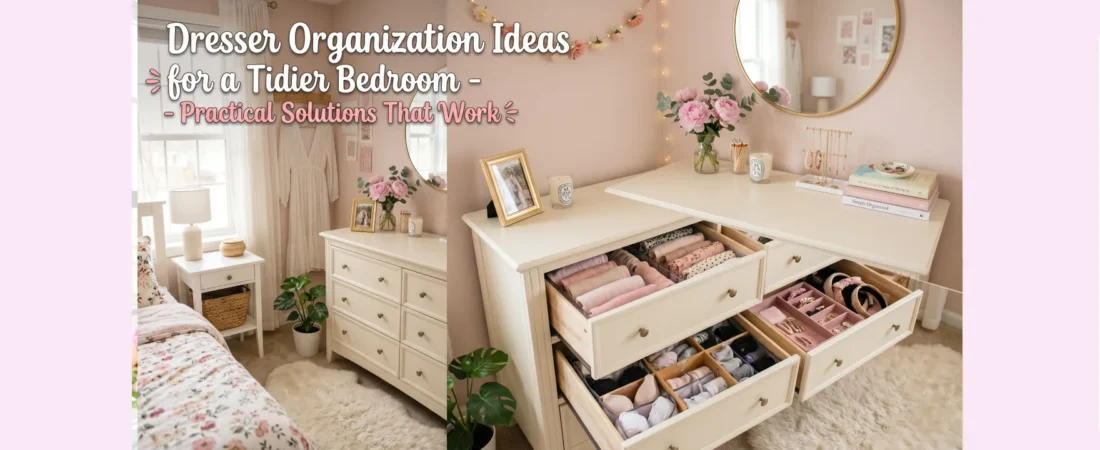
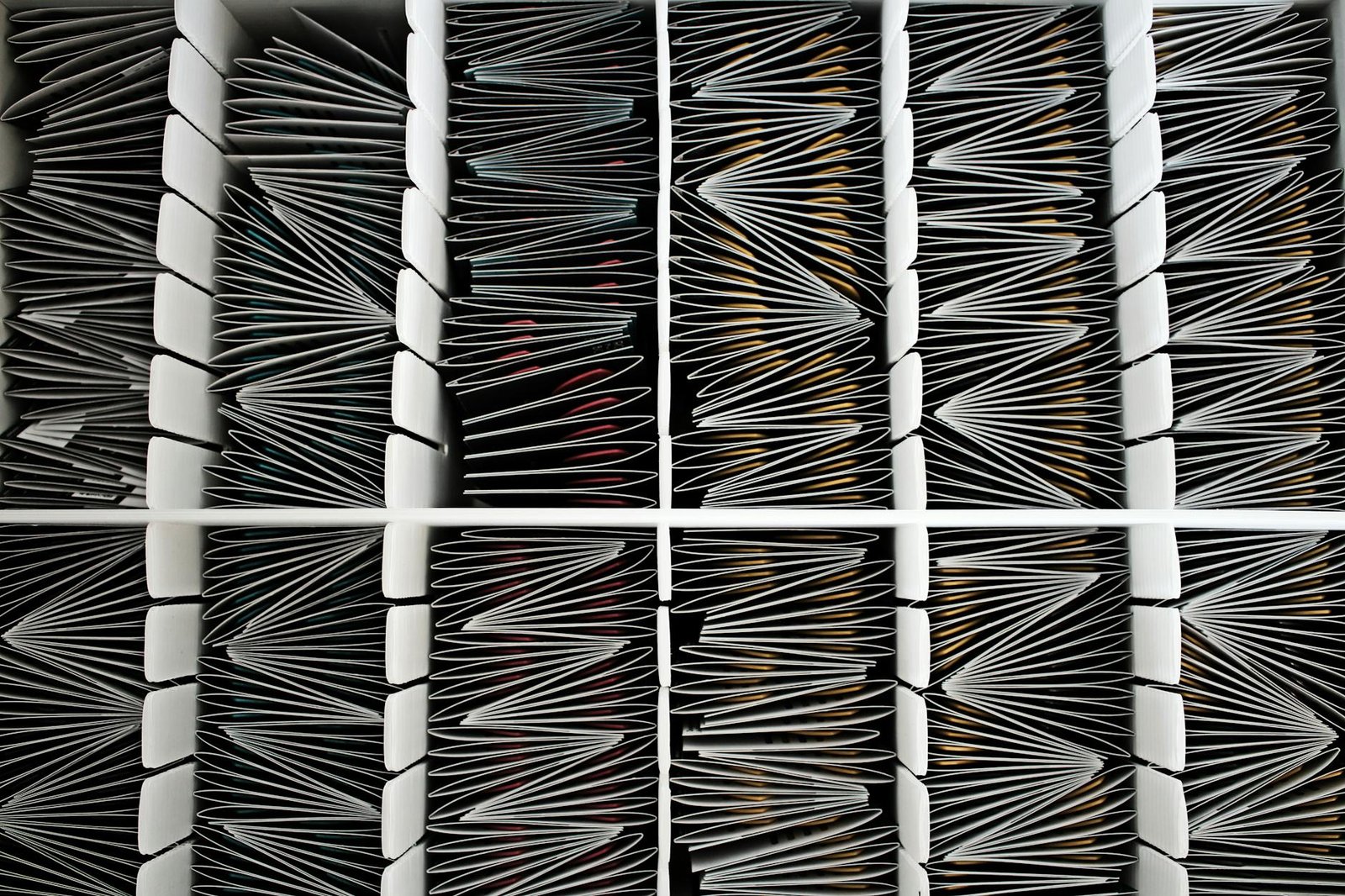
Honestly, drawer dividers changed my life. Before using them, my carefully folded clothes would gradually migrate into one jumbled mess. Now everything stays in its designated spot.
I prefer adjustable dividers because they let me customize compartments based on my specific needs. For my underwear drawer, I create small squares for individual items. For t-shirts, I make longer rectangles that accommodate my folded pieces perfectly.
Small boxes or containers work wonderfully too, especially for tiny items like jewelry or hair accessories. I repurpose clean food containers sometimes – they’re the perfect size for organizing small dresser items.
DIY Organization Solutions 🛠️
You don’t need fancy organizers to create an effective system. Some of my favorite solutions are completely free:
Cereal boxes: Cut them down to fit your drawer height and cover with pretty contact paper. They make excellent dividers for larger clothing items.
Shoe boxes: Perfect for creating compartments in deeper drawers. I use them for storing folded jeans and heavier pants.
Empty containers: Clean yogurt containers, small gift boxes, or even old smartphone boxes work great for organizing smaller accessories.
The key is measuring your drawers first and choosing containers that fit well without wasted space.
Revolutionary Folding Techniques That Actually Work 👌
The way you fold your clothes makes or breaks your dresser organization. I used to fold everything in traditional stacks, but they’d topple over constantly. Then I discovered file folding, and it was a complete game-changer.
File folding means folding clothes into compact rectangles that stand upright in your drawer, like files in a filing cabinet. This method lets you see everything at a glance and prevents the dreaded avalanche effect when you pull out one item.
Here’s my file folding process for t-shirts:
- Lay the shirt face down and fold both sides toward the center
- Fold the sleeves back so they don’t stick out
- Fold the bottom up about one-third of the way
- Fold again so you have a compact rectangle that stands on its own
This technique works for almost everything – t-shirts, tanks, pajamas, even underwear. The key is creating uniform rectangles that fit nicely in your drawer compartments.
💡 Space-Saving Tip: For small bedrooms, maximizing every inch of storage is crucial. My small bedroom storage guide has additional strategies for making the most of limited space.

Maximizing Dresser Top Space 🎯
Your dresser top is prime real estate, but it’s easy for it to become a cluttered catch-all. I’ve learned to be very intentional about what lives on my dresser surface.
I keep only daily essentials on top: a small jewelry dish for pieces I wear regularly, a lamp for ambient lighting, and maybe one decorative element. Everything else gets stored inside drawers or elsewhere in the bedroom.
A small tray or decorative dish corrals loose change, jewelry, or hair ties that might otherwise create visual clutter. I also use a pretty box for items I need but don’t want visible, like charging cables or hand cream.
Vertical Storage Solutions 📚
Don’t forget about the space above and around your dresser. A small mirror reflects light and makes the area feel larger. Wall-mounted hooks nearby can hold tomorrow’s outfit or frequently worn accessories.
I’ve found that keeping the dresser top mostly clear makes the entire bedroom feel more spacious and organized. It’s worth being selective about what earns a spot on this valuable surface.
Maintenance Strategies That Keep Everything Tidy 🔄
The best organization system in the world won’t work if you don’t maintain it. I’ve developed simple habits that keep my dresser organized with minimal daily effort.
Every night before bed, I spend 2-3 minutes putting clothes back where they belong. This prevents the gradual chaos that used to plague my dresser drawers. It’s so much easier to maintain organization than to reorganize from scratch every few months.
Once a week, usually while doing laundry, I do a quick drawer check. I refold anything that’s gotten messy and make sure everything is in its proper compartment. This 5-minute weekly habit prevents major organization breakdowns.
📖 Organization Principle: The same principles that work for dresser organization apply throughout your home. My kitchen drawer organization guide uses similar categorization and containment strategies.
Seasonal Clothing Rotation 🌟
Twice a year, I do a complete dresser refresh. During spring and fall, I rotate seasonal clothes and reassess what I’m actually wearing. This prevents drawers from becoming overstuffed with out-of-season items.
I store off-season clothes in under-bed boxes or on high closet shelves. This rotation keeps my dresser focused on current needs and prevents overcrowding that leads to messy drawers.
Common Dresser Organization Mistakes to Avoid ⚠️
After years of trial and error, I’ve identified the biggest mistakes that sabotage dresser organization efforts:
Overstuffing drawers: It’s tempting to cram everything in, but overpacked drawers make it impossible to maintain organization. If you can’t close a drawer easily, it’s too full.
Mixing categories: When underwear mingles with t-shirts or socks get mixed with pajamas, chaos follows. Strict category separation is essential for long-term success.
Ignoring drawer depth: Not all drawers are created equal. Use deeper drawers for bulkier items and shallow drawers for small accessories. Fighting against your furniture’s design creates frustration.
Skipping the declutter step: Trying to organize too much stuff never works. You must reduce your clothing volume before implementing any organization system.
Troubleshooting Common Dresser Problems 🔧
Even with the best intentions, dresser organization challenges arise. Here’s how I handle the most common issues:
Drawers that stick or are hard to open: Usually caused by overstuffing or items caught in the drawer mechanism. Remove everything, clean the drawer tracks, and reduce the contents before reloading.
Clothes that won’t stay folded: This typically means your folding technique needs work or the items are too wrinkled. Make sure clothes are completely dry before folding, and consider the file folding method for better stability.
Running out of space: Time for another decluttering session or creative storage solutions. Consider using under-bed storage for out-of-season items to free up dresser space for current needs.
💡 Extra Storage Tip: If your dresser is maxed out, explore creative solutions like under-bed storage systems to expand your bedroom’s clothing storage capacity.
Frequently Asked Questions 🤔
How often should I reorganize my dresser drawers?
I do a complete dresser reorganization twice yearly during seasonal clothing swaps. However, I maintain the system daily with a 2-3 minute evening tidy-up and do a weekly 5-minute drawer check. This prevents the need for major overhauls.
What’s the best way to organize a shared dresser?
Assign specific drawers to each person and use dividers to create individual sections within shared drawers. Communication is key – make sure both partners understand and commit to the organization system. Consider labeling initially until the system becomes habit.
How do I keep my dresser organized when I’m in a hurry?
The file folding method is your best friend for quick organization. When clothes stand upright, you can grab what you need without disturbing other items. Also, having designated spots for everything means you know exactly where items belong, even when rushing.
Should I organize by color or by clothing type?
I always recommend organizing by clothing type first, then by color within each category. This makes it easier to find specific items and maintain the system long-term. Color organization alone can look pretty but becomes impractical for daily use.
Creating Your Perfect Dresser Organization System 🎉
Transforming your dresser from chaotic to organized isn’t just about pretty drawers – it’s about creating a system that supports your daily routine and brings peace to your bedroom sanctuary.
Remember, the best dresser organization system is one you’ll actually use. Start with decluttering, choose simple organization tools that fit your space and budget, and commit to daily maintenance habits. The few minutes you invest each day will save you hours of frustration and create a bedroom environment that truly supports your well-being.
Your organized dresser becomes the foundation for a more organized bedroom, and ultimately, a more organized life. Trust me, once you experience the calm of opening a perfectly organized drawer every morning, you’ll never go back to the chaos.
Have you tried any of these dresser organization ideas? I’d love to hear about your experience and any creative solutions you’ve discovered. Leave a comment below and share your dresser organization wins or challenges!