Quick Answer
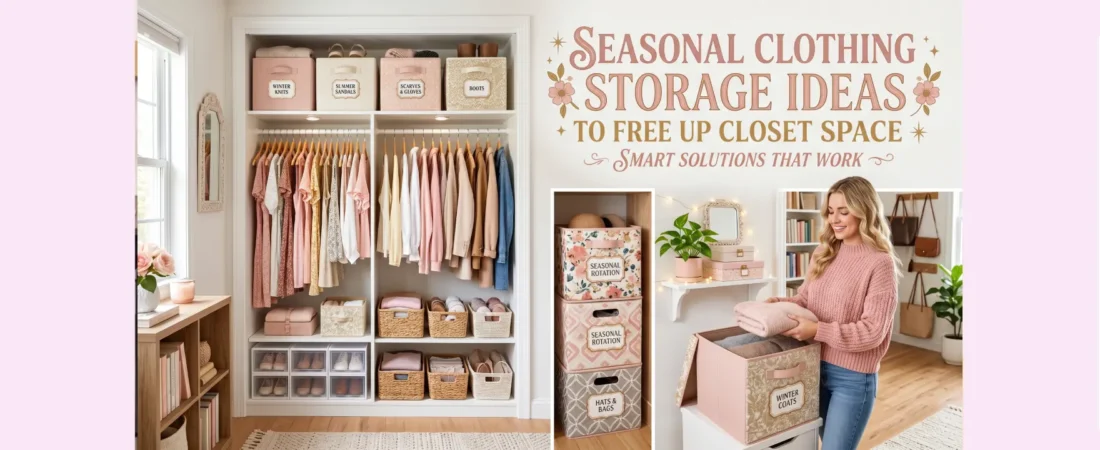
The best seasonal clothing storage ideas include vacuum-sealed bags for bulky items, under-bed storage boxes, garment bags for delicate pieces, and repurposing unused spaces like under stairs or guest room closets. Rotate items twice yearly and always clean before storing.
Honestly, I used to dread changing seasons – not because of the weather, but because of the clothing chaos that came with it. My closet was bursting at the seams with winter coats in July and summer dresses buried under sweaters in December. If you’re nodding along, you’re not alone! I’ve spent years perfecting my seasonal clothing storage system, and I’m excited to share what actually works.
🗂️ Why Seasonal Storage Makes All the Difference
In my experience, seasonal clothing storage isn’t just about making space – it’s about creating a functional wardrobe that serves you year-round. When I finally committed to storing off-season clothes properly, I gained so much more than closet space. I gained peace of mind.
💡 Pro Tip: Start your seasonal storage system during a transition season like spring or fall when you’re naturally thinking about wardrobe changes.
The key is finding storage solutions that protect your clothes while keeping them easily accessible when needed. Just like I learned with organizing small bedroom spaces, it’s all about maximizing what you have.
🧳 My Go-To Seasonal Clothing Storage Solutions
💨 Vacuum-Sealed Storage Bags
These have been absolute game-changers for me. I use them primarily for bulky items like winter coats, comforters, and thick sweaters. The space savings are incredible – I can fit my entire winter wardrobe into two large vacuum bags that slide perfectly under my bed.
Here’s what I’ve learned about using vacuum bags effectively:
- Always wash items before sealing to prevent odors and stains from setting
- Don’t over-pack – leave some room for the vacuum process
- Label everything clearly with contents and season
- Store flat under beds or on high shelves
📦 Under-Bed Storage Boxes
The space under your bed is prime real estate for seasonal storage. I prefer clear, shallow boxes that I can easily slide in and out. These work perfectly for items that don’t compress well in vacuum bags, like structured blazers or delicate fabrics.
📖 Storage Tip: Measure your under-bed clearance before buying boxes. Nothing’s more frustrating than storage that doesn’t fit!
👗 Garment Bags for Special Pieces
For my more delicate or structured pieces – think wool coats, formal dresses, or suits – I swear by breathable garment bags. I hang these in my guest room closet or even in my organized laundry room if there’s space.
🏠 Creative Storage Spaces You Might Be Overlooking
🚪 Guest Room Closets
If you have a guest room that’s rarely used, that closet is perfect for seasonal storage. I dedicate half the space to off-season clothes and keep the other half available for guests’ belongings.
🪜 Under the Stairs
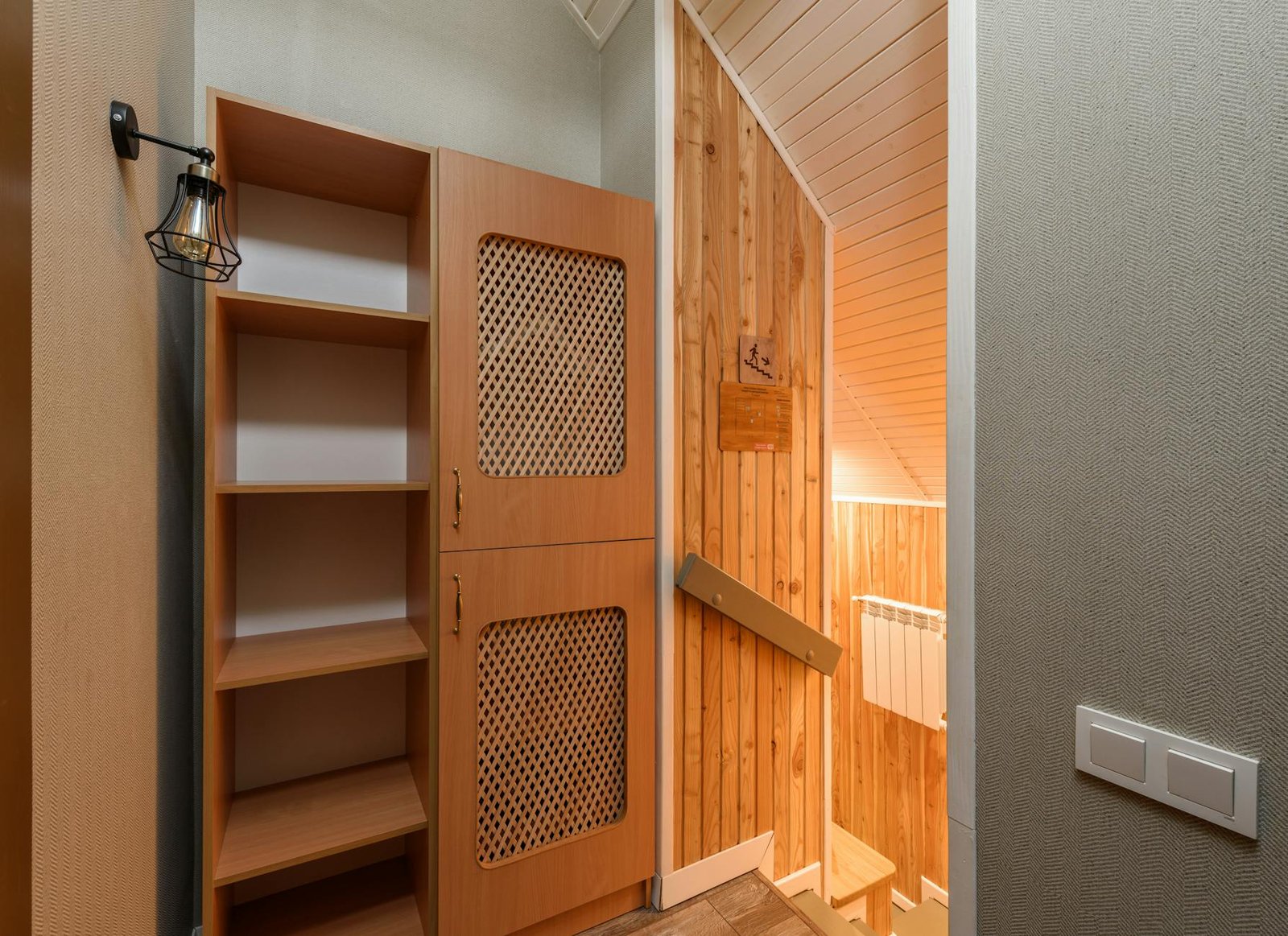
That awkward under-stair space? Pure gold for seasonal storage! I installed some basic shelving and it’s become my go-to spot for storing seasonal items in labeled bins.
🛏️ Ottoman Storage
I have a storage ottoman at the foot of my bed that doubles as seating and houses my transitional pieces – items I might need during shoulder seasons.
🔄 My Seasonal Rotation System
The key to successful seasonal storage is having a system you’ll actually follow. Mine is simple: I do a major rotation twice a year – once in spring and once in fall.
🌸 Spring Transition (March-April)
This is when I pack away heavy winter items and bring out spring and summer clothes. I always choose a weekend when the weather feels definitively warmer.
🍂 Fall Transition (September-October)
I reverse the process, storing summer clothes and bringing out fall and winter wardrobes. The key is not rushing this – I wait until I’m sure I won’t need those summer dresses anymore.
💡 Organization Insight: Just like creating a laundry routine that sticks, consistency is everything with seasonal storage. Pick specific dates and stick to them!
🧼 Essential Prep Before Storage
I cannot stress this enough – never store dirty clothes! Here’s my pre-storage checklist:
- Wash or dry clean everything
- Check for stains and treat them completely
- Ensure items are completely dry
- Remove any belts or accessories that could leave marks
- Add cedar blocks or lavender sachets for freshness
🏷️ Organization and Labeling Tips
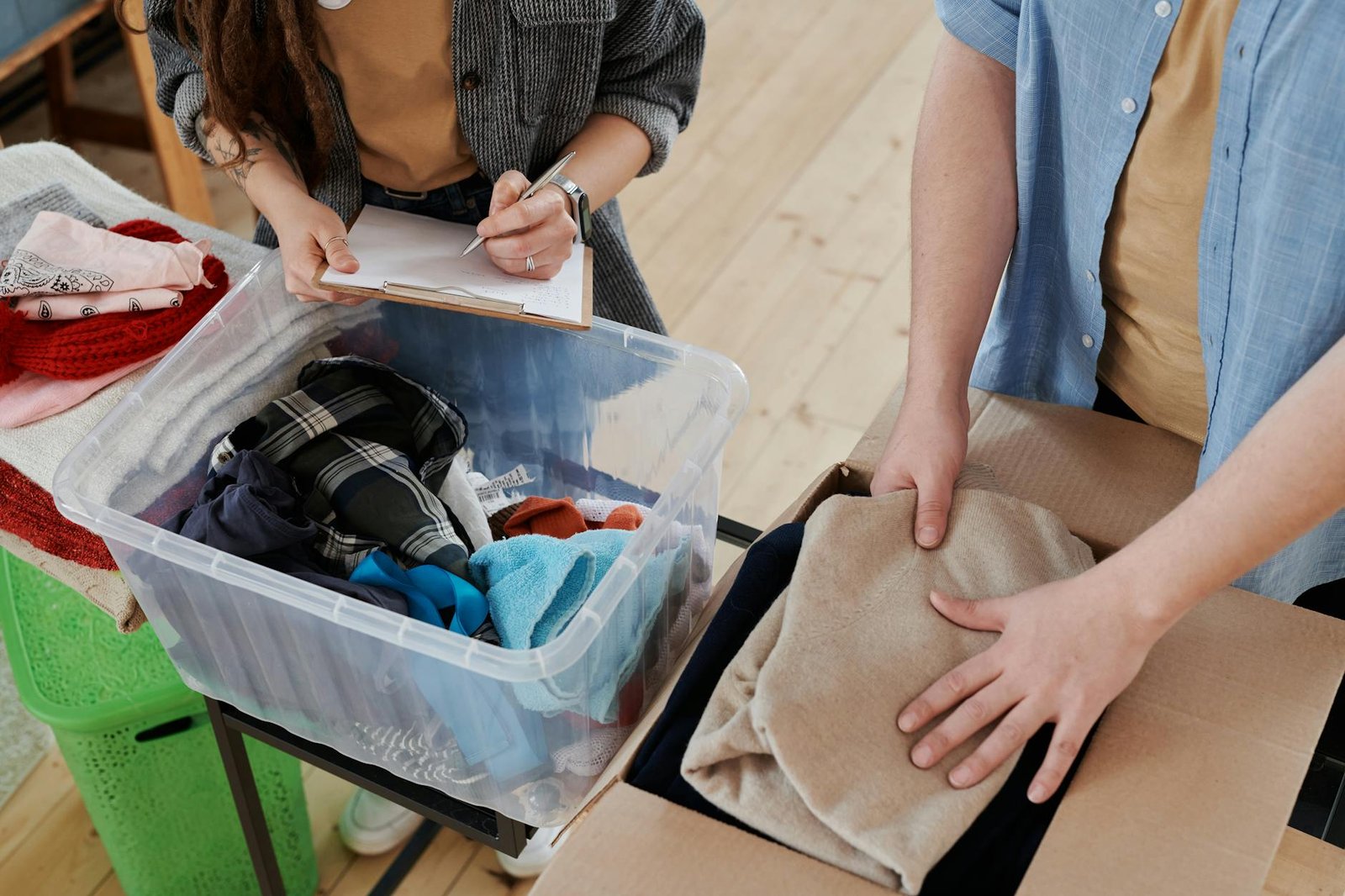
My labeling system is crucial to my success. I use a simple code:
- Season (Winter/Spring/Summer/Fall)
- Category (Coats/Sweaters/Dresses/etc.)
- Size (in case I’m storing for multiple family members)
I also keep a simple inventory list on my phone – nothing fancy, just notes about what’s stored where. This approach works similarly to how I organize other areas of my home, like my living room organization system.
🚫 Common Storage Mistakes I’ve Made (So You Don’t Have To)
Let me save you some trouble by sharing my biggest storage mistakes:
- Storing clothes dirty: I learned this the hard way when I pulled out a “clean” white shirt covered in yellow stains
- Over-packing vacuum bags: They can burst, and clothes get terribly wrinkled
- Forgetting where I put things: This is why labeling is non-negotiable
- Using cardboard boxes in damp areas: Hello, mold and mildew!
- Not checking stored items periodically: I now do a quick check every few months
💰 Budget-Friendly Storage Solutions
You don’t need to spend a fortune on seasonal storage. Some of my most effective solutions are surprisingly affordable:
- Repurpose sturdy cardboard boxes (just not in damp areas)
- Use old suitcases for storage
- Get creative with trash bags for very short-term storage
- Ask friends for extra storage containers they’re not using
❓ Frequently Asked Questions
How often should I check on stored seasonal clothes?
I recommend checking stored items every 3-4 months. This helps you catch any issues like moisture, pests, or odors before they become major problems. It’s also a good time to reassess what you actually want to keep.
Should I wash clothes before storing them even if they seem clean?
Absolutely, yes! Even clothes that look clean can have invisible oils, perfume, or food particles that attract pests or cause stains over time. I learned this lesson the hard way – trust me, wash everything.
What’s the best way to store delicate fabrics like silk or wool?
For delicate fabrics, I use breathable garment bags and avoid vacuum sealing. Silk and wool need air circulation. I also add cedar blocks for wool to prevent moths, and I store these items in climate-controlled areas when possible.
How do I prevent musty smells in stored clothes?
The key is ensuring everything is completely clean and dry before storage. I also add activated charcoal sachets or cedar blocks to absorb moisture and odors. Never store clothes in plastic bags long-term as they trap moisture.
🏁 Making Seasonal Storage Work for You
The truth is, there’s no one-size-fits-all approach to seasonal clothing storage. What works in my home might need tweaking for yours. The important thing is to start somewhere and adjust as you go.
My seasonal storage system has evolved over years of trial and error, but it’s made such a difference in how I feel about my closet and my home. Instead of dreading the changing seasons, I now look forward to the fresh feeling of a well-organized, season-appropriate wardrobe.
Remember, the goal isn’t perfection – it’s progress. Start with one category of clothes, try one storage method, and build from there. Your future self will thank you when you’re not digging through piles of winter coats looking for a summer dress!
Have you tried any of these seasonal clothing storage ideas? I’d love to hear about your favorite storage solutions or any creative spaces you’ve discovered for seasonal items. Drop a comment below and let’s help each other create more organized, peaceful homes!