Quick Answer
To create a relaxing bedroom with less stuff: Remove everything except essentials, keep surfaces clear, store items in closed containers, limit decorative objects to 3-5 meaningful pieces, and maintain a “one in, one out” rule. Focus on quality over quantity and create designated homes for everything you keep.
I used to think a cozy bedroom meant having lots of decorative pillows, picture frames everywhere, and shelves filled with knick-knacks. Honestly, I was so wrong. The most relaxing bedroom I’ve ever created happened when I started removing things, not adding them.
After years of trying different approaches to bedroom organization, I’ve learned that less truly is more when it comes to creating a peaceful sleep sanctuary. Let me share what I’ve discovered about transforming your bedroom into a calming retreat through thoughtful decluttering.
🧹 Start With a Complete Clean Slate
The first step I always take when helping someone create a more relaxing bedroom is the most dramatic one: remove absolutely everything that isn’t furniture. I mean everything – decorative items, books, clothes, electronics, even that stack of magazines you’ve been meaning to read.
This might feel overwhelming, but trust me on this. You need to see your bedroom as a blank canvas before you can make intentional decisions about what truly belongs there. I like to move everything to another room temporarily, then clean every surface thoroughly.
💡 Pro Tip: Take a photo of your empty bedroom. This becomes your “reset point” – whenever your room starts feeling cluttered again, you’ll remember how peaceful it looked completely clear.
Once you have that clean slate, you’ll immediately notice how much more spacious and calm the room feels. This is your goal state – everything you add back should enhance this feeling, not detract from it.
✨ The Essential Items Only Rule
Now comes the fun part: deciding what actually deserves a place in your relaxing bedroom. I use what I call the “essential items only” rule, and I’m pretty strict about it.
Here’s what I consider truly essential for a bedroom:
- Your bed and one set of high-quality bedding
- One lamp for reading (preferably with warm light)
- A place to store clothes (dresser or closet)
- One small dish or tray for daily essentials like jewelry
- Blackout curtains or blinds
- One meaningful piece of art or photo
Everything else is negotiable. I know this might sound extreme, but in my experience, the more items you have in your bedroom, the more visual noise you’re creating. And visual noise directly impacts how relaxed you feel in the space.
🏠 Creating Designated Homes
For the items that make the cut, each one needs a specific home. I never let anything just “live” on surfaces without a designated spot. This applies to everything from your phone charger to that glass of water you always keep bedside.
I love using small trays or dishes to create boundaries for these items. Your nightstand might have a small wooden tray that holds your phone, reading glasses, and lip balm – nothing else. This keeps these necessary items contained and prevents surface sprawl.
🚫 Surface Management is Everything
If I had to choose the single most important factor in creating a relaxing bedroom, it would be keeping surfaces clear. Cluttered surfaces create mental clutter, and mental clutter is the enemy of relaxation.
I follow a strict “nothing lives on surfaces permanently” rule, with very few exceptions. Your dresser top, nightstands, and any other horizontal surfaces should be mostly empty at all times. This might mean finding creative storage solutions, but it’s worth the effort.
📖 Personal Story: I used to keep books stacked on my nightstand, thinking it looked cozy and lived-in. Once I moved them to a small basket in my closet, I was amazed at how much more peaceful my bedroom felt. Now I only keep one book out – the one I’m currently reading.
📦 Hidden Storage Solutions
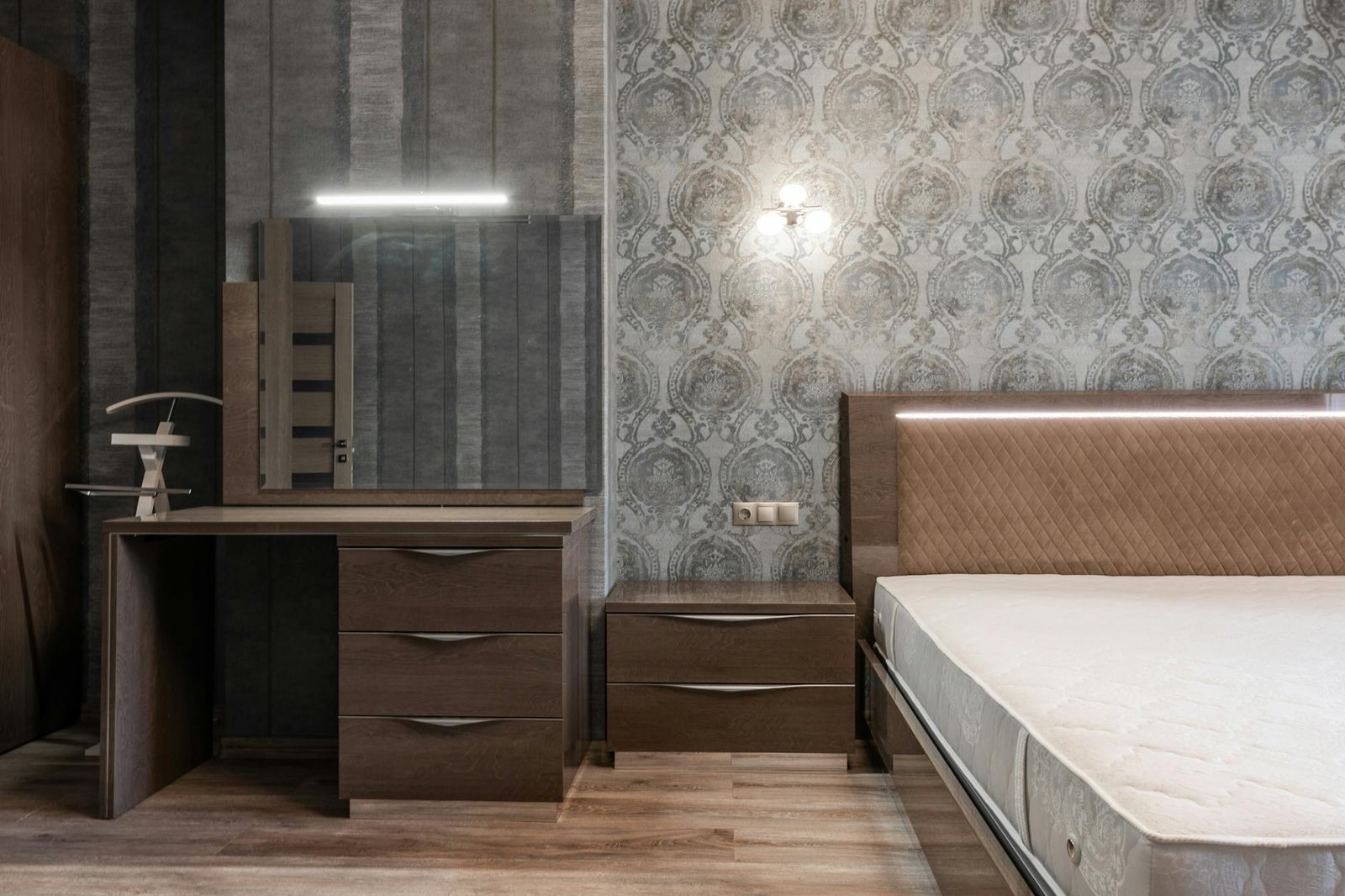
The key to maintaining clear surfaces is having excellent hidden storage. I’m a big fan of storage ottomans, under-bed boxes, and drawer organizers. The goal is to have a home for everything while keeping it out of sight.
Some of my favorite hidden storage spots in the bedroom:
- Under the bed for seasonal items or extra linens
- Inside dresser drawers with dividers for small items
- A basket in the closet for items you use weekly but not daily
- The inside of your nightstand drawers for charging cables and medications
The same principles I use for organizing towels and linens work beautifully for bedroom storage – everything should have a designated spot that keeps it contained and easily accessible.
🎨 Choosing What Stays: The Three-Item Rule
When it comes to decorative items, I stick to what I call the “three-item rule.” You can have up to three decorative objects visible in your bedroom, but they need to be meaningful and beautiful to you. Not cute, not trendy – meaningful and beautiful.
For me, these three items might be:
- A single framed photo of loved ones
- A small plant that thrives in low light
- One piece of art that makes me feel calm
These items should be spread throughout the room, not clustered together. The goal is to create visual interest without overwhelming the space.
🌱 The Power of One Beautiful Thing
I’ve learned that having one truly beautiful item in your bedroom is far more impactful than having many okay items. Whether it’s a gorgeous throw pillow, a piece of artwork, or a special lamp, let that one item shine by giving it space to breathe.
This approach has completely changed how I think about decorating. Instead of filling space, I’m curating experiences. Every item I choose to keep has to earn its place by contributing to the overall feeling of calm I’m trying to create.
🔄 Maintaining Your Peaceful Space
Creating a relaxing bedroom with less stuff is only half the battle – maintaining it is where the real work happens. I’ve developed some simple habits that help me keep my bedroom feeling like a sanctuary.
My daily bedroom routine is simple but effective:
- Make the bed every morning (this instantly makes the room feel organized)
- Put away anything that doesn’t belong before bed
- Do a quick five-minute tidy each evening
- Follow the “one in, one out” rule for any new items
Just like maintaining an organized living room, consistency is key. These small daily actions prevent clutter from building up and keep your bedroom feeling peaceful.
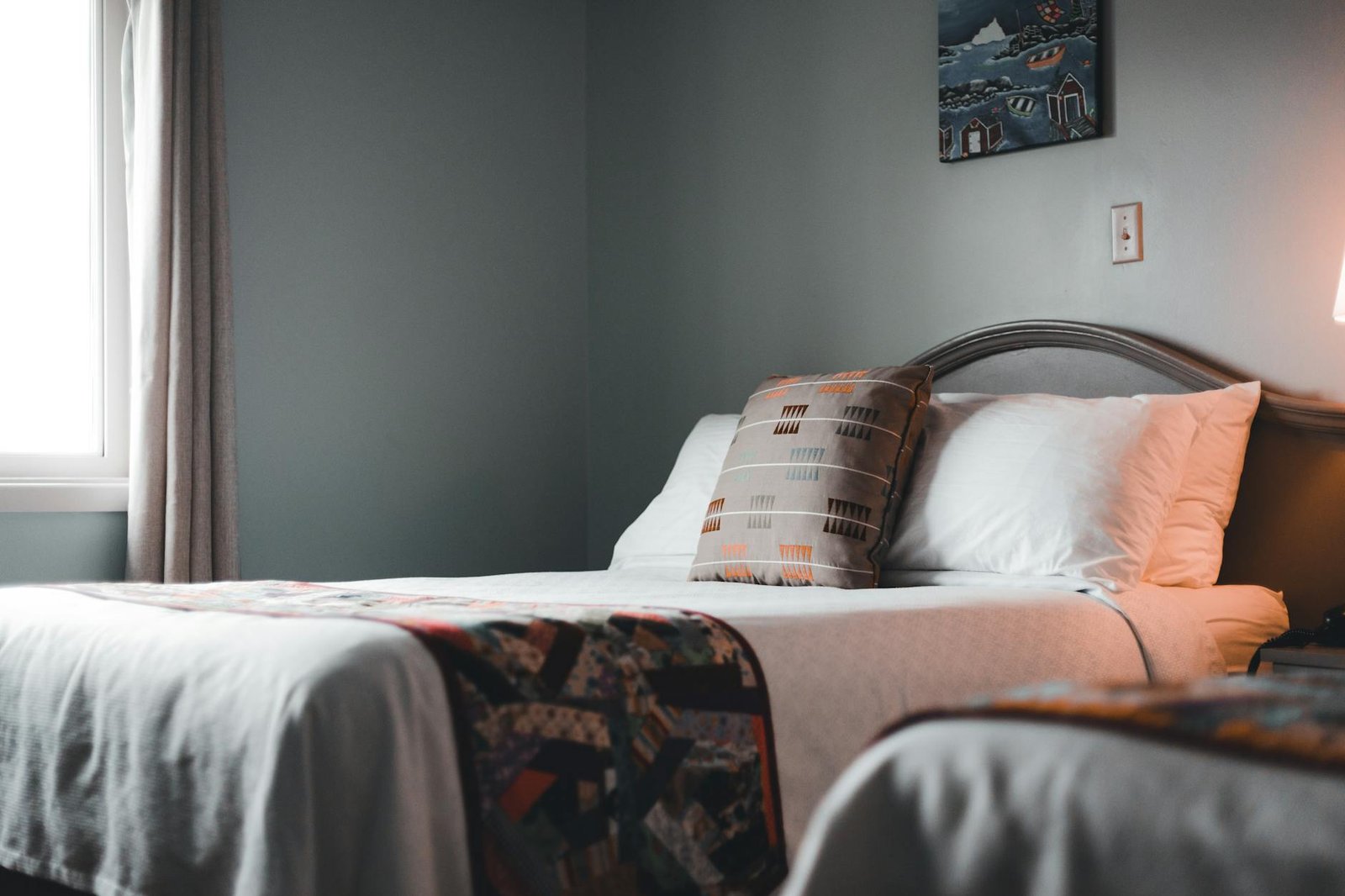
A calming bedroom space created with intentional item placement and minimal clutter
🛌 The Weekly Reset
Once a week, I do what I call a “bedroom reset.” This involves:
- Changing the sheets and pillowcases
- Dusting all surfaces (which is easy when they’re mostly clear!)
- Checking that everything is in its designated home
- Removing any items that have crept back in during the week
This weekly reset takes maybe 20 minutes, but it ensures my bedroom continues to feel like the relaxing retreat I worked so hard to create.
🌙 Creating the Right Atmosphere
Beyond physical decluttering, creating a truly relaxing bedroom involves thinking about atmosphere. I pay attention to lighting, air quality, and even sounds in my bedroom.
For lighting, I avoid overhead lights in the evening and stick to warm, dim table lamps. I keep my phone charging in another room to avoid the temptation of late-night scrolling. And I make sure my bedroom stays cool and well-ventilated.
💡 Simple Change, Big Impact: Try removing your phone charger from your nightstand and charging your phone in the bathroom or living room instead. You’ll be amazed at how this one change affects your sleep quality and morning routine.
The goal is to create a space that signals to your brain that it’s time to wind down and relax. Visual clutter disrupts this signal, but so do things like bright lights, electronic devices, and even strong scents.
❓ Frequently Asked Questions
How do I decide what’s essential vs. what’s just nice to have?
I ask myself: “If I had to live in this room for a month with only the essentials, what would I absolutely need?” Anything beyond that list is nice-to-have. Essential items serve a clear function, while nice-to-have items are usually decorative or convenience-based. When in doubt, try living without it for a week and see if you miss it.
What if my partner wants to keep more stuff than I do?
This is a common challenge! I recommend starting with your own side of the bedroom and leading by example. Often, once your partner experiences how calm a decluttered space feels, they’ll naturally want to simplify their side too. Focus on shared surfaces first (like the dresser top) and work from there. Compromise is key – maybe they keep their book collection, but in a closed basket rather than stacked on surfaces.
How do I store seasonal clothes without cluttering my bedroom?
Under-bed storage is your best friend here. I use flat, clear containers that slide easily under the bed for out-of-season clothes. You can also use the top shelf of your closet or even store seasonal items in another room entirely. The key is keeping them completely out of sight during the off-season. I also recommend doing a seasonal clothing purge – if you didn’t wear it last season, you probably won’t wear it this year.
Can I still have a cozy bedroom with less stuff?
Absolutely! In fact, I think bedrooms feel cozier with less visual clutter because you can actually appreciate the items you do have. Focus on texture and quality rather than quantity. A beautiful throw blanket, soft lighting, and high-quality bedding will make your room feel infinitely cozier than lots of small decorative items. Cozy comes from how a space makes you feel, not how many things are in it.
🏡 Your Journey to a More Peaceful Bedroom
Creating a relaxing bedroom with less stuff isn’t about living like a monk or depriving yourself of things you love. It’s about being intentional with what you choose to keep and where you choose to keep it. Every item in your bedroom should either serve a clear purpose or bring you genuine joy – preferably both.
I’ve found that the less stuff I have in my bedroom, the more I appreciate what remains. That one beautiful lamp becomes a focal point rather than competing with five other decorative items. My high-quality bedding feels more luxurious when it’s not surrounded by unnecessary pillows and throws.
Start small if this feels overwhelming. Maybe begin by clearing off your nightstands completely and see how that feels for a week. Or try the three-item rule for decorative objects and notice how much more peaceful your space becomes.
Remember, your bedroom should be your sanctuary – a place where you can truly relax and recharge. Every item you choose to keep should support that goal, not work against it. When you get the balance right, you’ll know it immediately. Your bedroom will feel like a hug at the end of every day.
I’d love to hear about your bedroom transformation journey! What was the hardest thing to remove from your bedroom, and what changes have made the biggest difference in how relaxed you feel in your space? Share your experiences in the comments below – your story might be exactly what someone else needs to hear to take that first step toward a more peaceful bedroom.