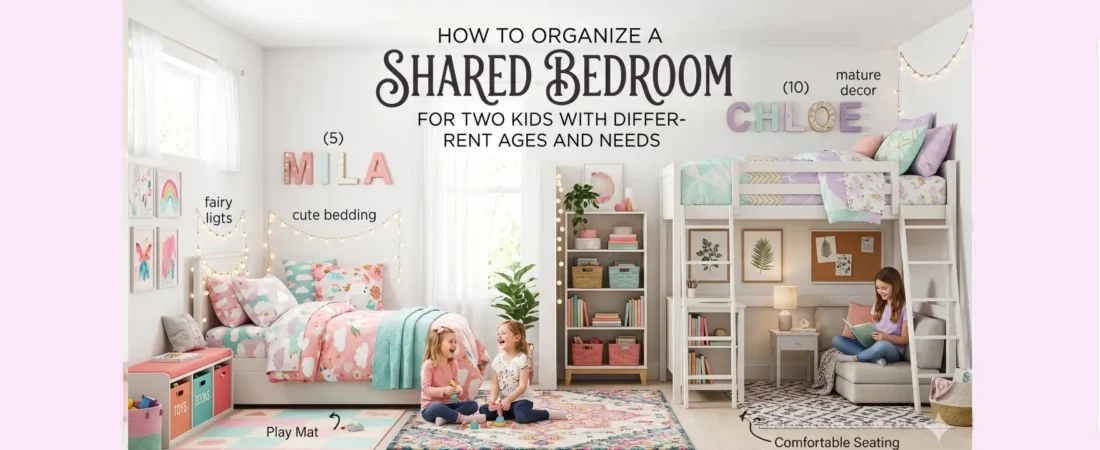
Quick Answer
Successfully organizing a shared bedroom for kids of different ages requires creating distinct zones for each child while maximizing shared storage. Focus on vertical space, establish clear boundaries, and implement systems that work for both age groups. The key is balancing individual needs with collaborative living.
I’ll be honest – when my 4-year-old and 10-year-old had to start sharing a bedroom, I thought my organizing days were numbered. The age gap seemed impossible to bridge, and their completely different needs felt overwhelming. But after months of trial and error (and maybe a few meltdowns), I’ve discovered that organizing a shared bedroom for kids with different ages isn’t just possible – it can actually work beautifully.
🎯 Understanding Each Child’s Unique Needs
The first step in my journey was realizing that trying to treat both kids exactly the same was setting everyone up for failure. My older child needed a quiet study space and sophisticated storage for school supplies, while my younger one required easy access to toys and picture-based organization systems.
💡 Pro Tip: Spend a week observing how each child naturally uses their space before implementing any organizational system. This observation period saved me from creating solutions that looked great but didn’t actually work for my family.
I started by having individual conversations with each child about what mattered most to them in their shared space. My older child valued privacy and organization, while my younger one wanted everything visible and accessible. These conversations became the foundation of our room organization strategy.
🏗️ Creating Distinct Zones Within Shared Space
The game-changer for us was thinking of the room as separate territories that happened to share walls. I used furniture placement, area rugs, and even different colored storage bins to create visual boundaries that both kids could understand and respect.
📚 The Study Zone vs. Play Area
My older child got a desk area near the window with proper lighting and organized supplies, while my younger one’s corner became a dedicated play space with low, accessible storage. The key was making sure neither zone interfered with the other’s primary function.
📖 Remember: Zones don’t have to be perfectly separated. Sometimes they can overlap, like creating a shared reading nook that works for both picture books and chapter books.
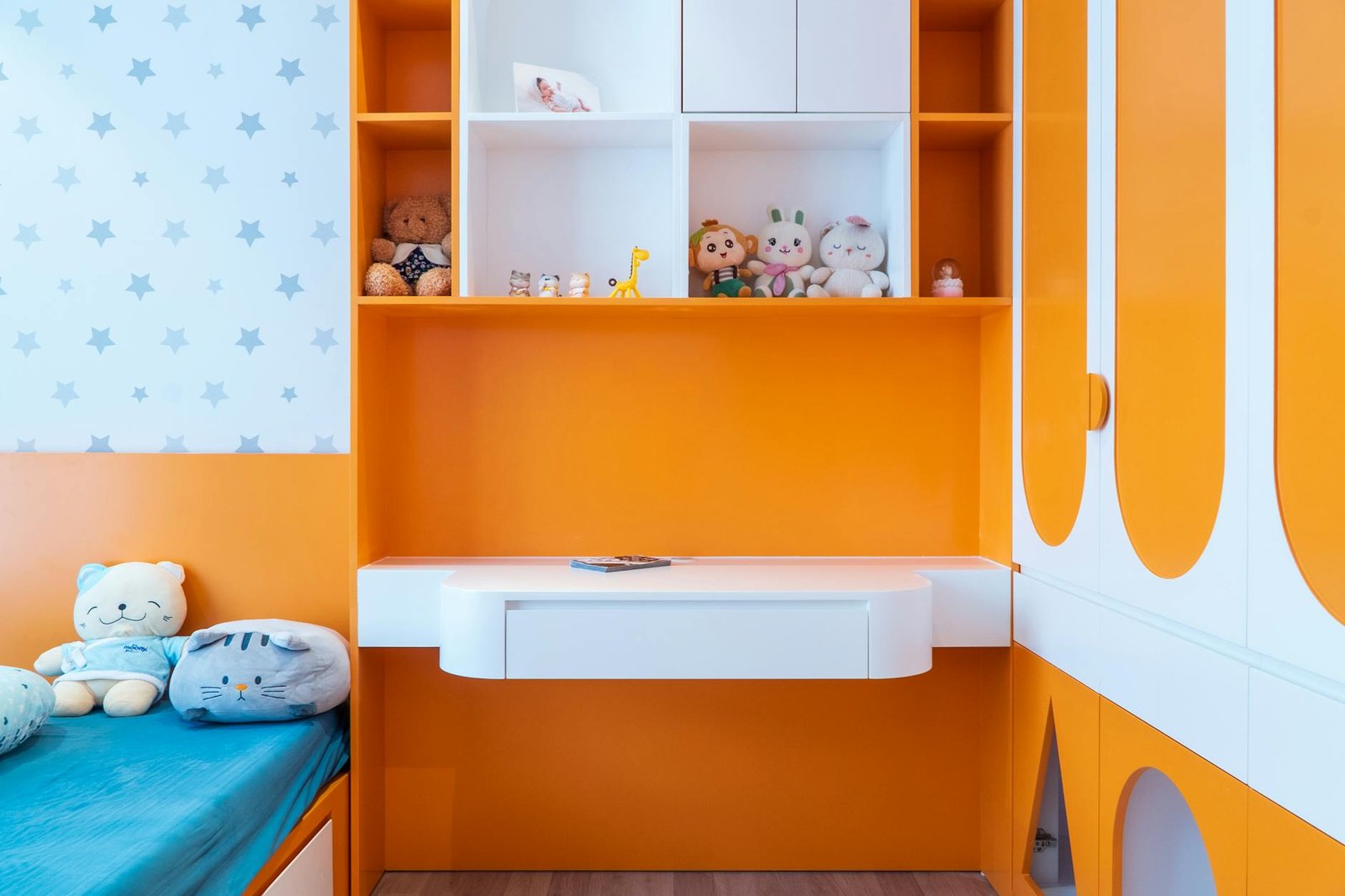
🚀 Maximizing Vertical Space for Different Heights
One of my biggest revelations was that vertical space could serve both children simultaneously – I just needed to think strategically about heights. Lower shelves became perfect for my younger child’s daily items, while higher shelves housed my older child’s collections and less-frequently used items.
Wall-mounted shelving became our best friend. I installed shelves at different heights, creating a staircase effect that was both functional and visually interesting. My younger child could reach the bottom two shelves independently, while my older child had exclusive access to the higher ones.
Similar to how I approached under bed storage systems, I realized that every inch of vertical space could serve multiple purposes when planned thoughtfully.
🧗 Smart Storage Solutions for Every Age
I discovered that clear, stackable bins work wonderfully for shared spaces because they allow both children to see what’s inside, regardless of reading ability. For my younger child, I added picture labels, while my older child got written labels for more sophisticated categorization.
Hooks at different heights became essential – low hooks for my younger child’s backpack and jacket, higher hooks for my older child’s sports equipment. This simple solution eliminated so many daily arguments about whose stuff was whose.
💤 Tackling the Bedtime Challenge
Different bedtimes were honestly one of our biggest hurdles. My solution involved creating a “quiet time” setup that allowed my older child to read or do homework while my younger one was settling down for sleep.
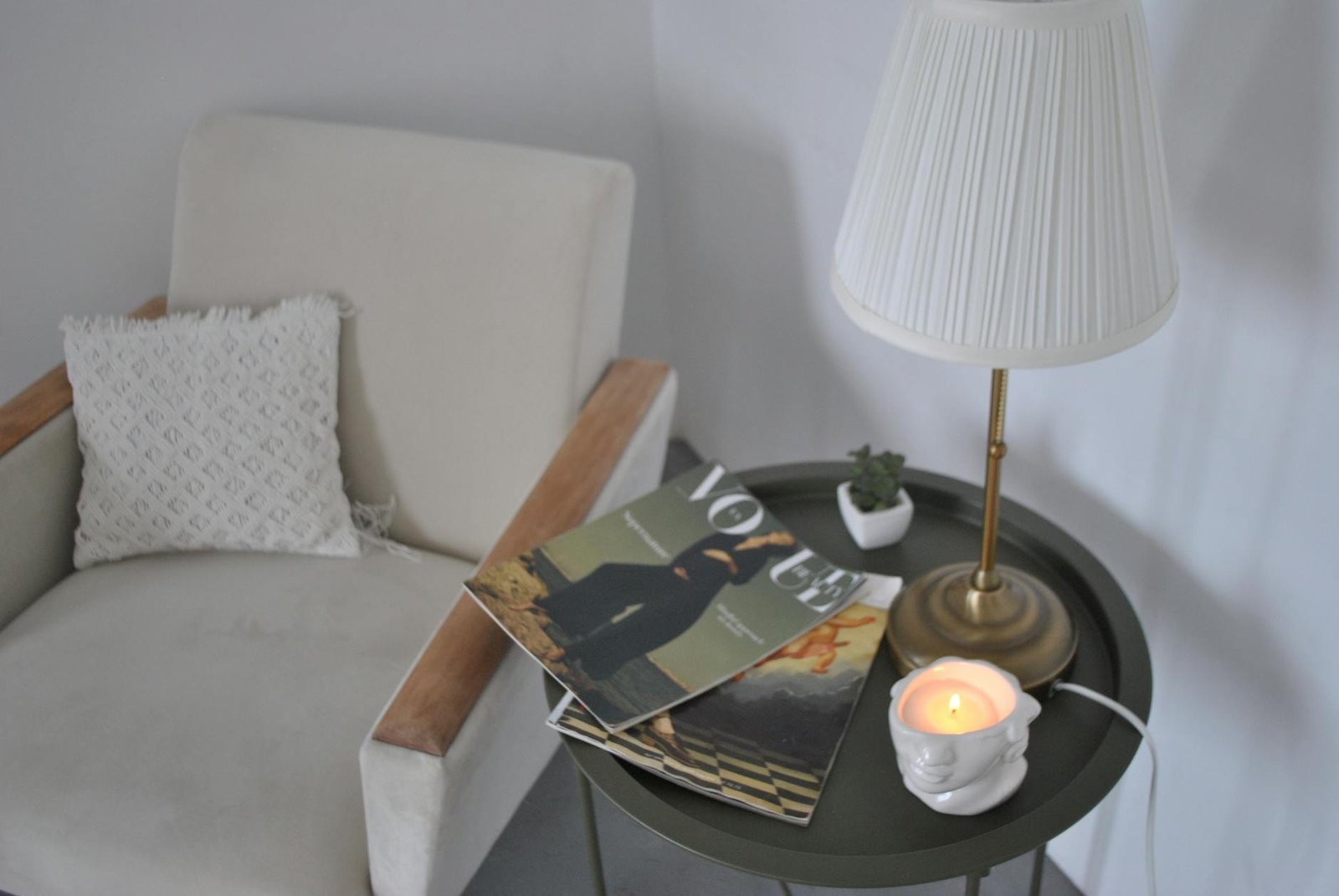
A peaceful reading setup that works for different bedtime schedules
I invested in individual reading lights and established clear boundaries about noise levels. My older child learned to use headphones for any electronic activities after the younger one’s bedtime, and we created a special “big kid” basket with quiet activities for these transition times.
💡 Game Changer: A sound machine became our secret weapon for managing different sleep schedules. It provided consistent white noise that helped both kids fall asleep more easily, regardless of the other’s activities.
🎨 Involving Both Kids in the Organization Process
I learned that the most sustainable organization systems are the ones the kids help create. Even my 4-year-old had valuable input about where things should go and how they wanted their space to function.
We made it a weekend project, similar to how I approach bedroom decluttering, but with the added complexity of negotiating between two different personalities and needs.
🤝 Teaching Collaboration Skills
The shared bedroom became an unexpected opportunity to teach my kids about compromise and collaboration. They learned to respect each other’s belongings and developed systems for sharing common items like art supplies and games.
We established “personal items” versus “shared items” categories, with clear rules about asking permission before using someone else’s personal belongings. This system reduced conflicts significantly and taught both kids valuable life skills.
🔄 Adapting Systems as Kids Grow
One thing I’ve learned is that no organizational system is permanent when it comes to kids’ bedrooms. What works for a 4-year-old and 10-year-old won’t necessarily work when they’re 6 and 12. I’ve built flexibility into our systems from the beginning.
Adjustable shelving, modular storage solutions, and neutral furniture pieces allow us to modify the space as needs change. I also review and update our systems every few months, involving both kids in discussing what’s working and what isn’t.
📖 Long-term Thinking: Choose organizational solutions that can grow and adapt. Avoid systems that are too specific to current ages or interests – flexibility is key to lasting success.
The approach I use for organizing their closet space draws inspiration from managing clothing organization, focusing on systems that can accommodate growth and changing preferences.
🌙 Creating Calm with Nightstand Organization
Each child having their own nightstand space became crucial for maintaining individual identity within the shared room. I applied principles I’ve learned about nightstand organization for peaceful bedrooms, adapting them for different age groups.
My younger child’s nightstand holds a water cup, favorite stuffed animal, and a few beloved bedtime books, while my older child’s includes a reading light, journal, and small basket for personal items. These individual spaces provide a sense of ownership and privacy within the shared environment.
❓ Frequently Asked Questions
How do you handle toy storage when kids have different interests?
I create separate storage zones for each child’s toys while maintaining some shared storage for common items like art supplies or building blocks. Clear bins with visual labels help both children identify their own belongings, and we have a “shared toy” basket that requires mutual agreement for use.
What’s the best way to manage homework and play spaces in one room?
I designate specific times when the room functions as a study space (usually after school) and other times when it’s primarily for play. A portable homework caddy allows the older child to claim any flat surface temporarily, while the younger child learns to respect “homework time” with quiet activities.
How do you prevent constant arguments about mess and cleanliness?
We established a “you mess, you clean” policy along with daily 10-minute tidy sessions where both kids work together. I also learned to accept that different ages have different standards of cleanliness – as long as personal belongings stay in designated areas, some messiness is okay.
Should each child have equal space in a shared bedroom?
Not necessarily equal, but fair. My older child needs more storage for school supplies and clothes, while my younger child needs more open floor space for play. We focused on ensuring each child’s essential needs were met rather than dividing everything exactly in half.
🎉 The Rewards of Successful Shared Space Organization
Honestly, organizing a shared bedroom for kids with different needs has been one of my most challenging but rewarding home organization projects. Yes, it took patience, creativity, and several do-overs, but seeing my children learn to coexist peacefully in their shared space has been incredible.
The skills they’ve developed – negotiation, respect for others’ belongings, and collaborative problem-solving – extend far beyond their bedroom walls. They’ve learned to appreciate each other’s differences and find creative solutions when their needs conflict.
Most importantly, I’ve learned that perfect organization isn’t the goal – functional organization that serves real family needs is what matters. Some days their room looks like a tornado hit it, and that’s okay. The systems we’ve put in place mean that a 10-minute cleanup can restore order, and both kids know exactly where everything belongs.
If you’re facing the challenge of organizing a shared bedroom for children of different ages, remember that it’s a process, not a destination. Start with understanding each child’s unique needs, create flexible systems that can grow with them, and don’t be afraid to adjust your approach as you learn what works for your family.
Have you successfully organized a shared bedroom for kids with different needs? I’d love to hear about your creative solutions and what worked (or didn’t work) for your family in the comments below!