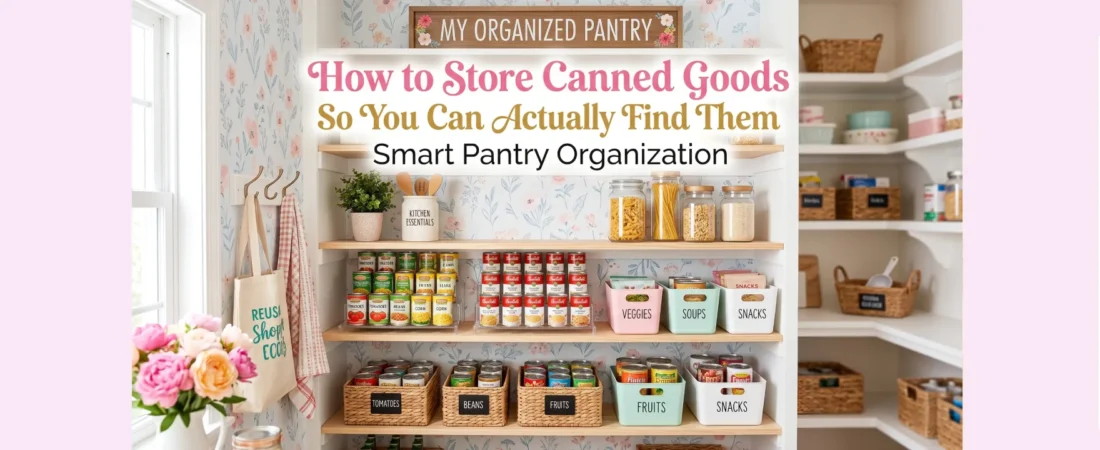
Quick Answer
Store canned goods by creating zones (vegetables, proteins, sauces), use tiered shelf organizers or lazy Susans, label everything clearly, implement a “first in, first out” rotation system, and keep an inventory list on your pantry door. This system keeps everything visible and accessible.
Let me be completely honest with you – I used to be that person who bought three cans of diced tomatoes because I couldn’t find the ones I already had buried somewhere in my pantry chaos. Sound familiar? If you’re nodding along, you’re definitely not alone in this struggle!
Over the years, I’ve learned that storing canned goods isn’t just about shoving them onto shelves. There’s actually a method to the madness that can save you time, money, and a whole lot of frustration. Today, I’m sharing my tried-and-true system that has completely transformed how I organize my canned goods.
🏷️ Start With the Zone Defense Method
The first game-changer in my canned goods organization was creating specific zones. I treat my pantry like a well-organized grocery store, and honestly, it works like magic.
In my experience, these zones work best:
- Vegetable Zone: All canned vegetables, beans, and legumes
- Protein Zone: Canned meats, fish, and plant-based proteins
- Sauce Zone: Tomato sauces, pasta sauces, and cooking sauces
- Soup Zone: All soups and broths
- Fruit Zone: Canned fruits and pie fillings
💡 Pro Tip: I use small labels on my shelf edges to mark each zone. It sounds a bit extra, but it keeps everyone in the family on the same page!
📦 Why Zones Make Such a Difference
When everything has its designated spot, you’ll never again find a random can of green beans hiding behind the pasta sauce. It’s like having a roadmap for your pantry – you know exactly where to look and where to put things back.
🔄 The FIFO System That Actually Works
FIFO stands for “First In, First Out,” and it’s borrowed from restaurant kitchens. I implement this by always putting newer cans in the back and using the older ones from the front first.
Here’s how I make it foolproof:
- When I bring home new canned goods, I move the older cans forward
- I place the new cans behind them
- I use a permanent marker to write the purchase date on the top of each can
- I keep a small rotation reminder note inside my pantry door
📖 Personal Story: I learned this the hard way when I found cans that had been hiding in the back for over two years. While most canned goods last well beyond their best-by date, I prefer using them at their peak quality!
🛠️ Storage Solutions That Make Everything Visible
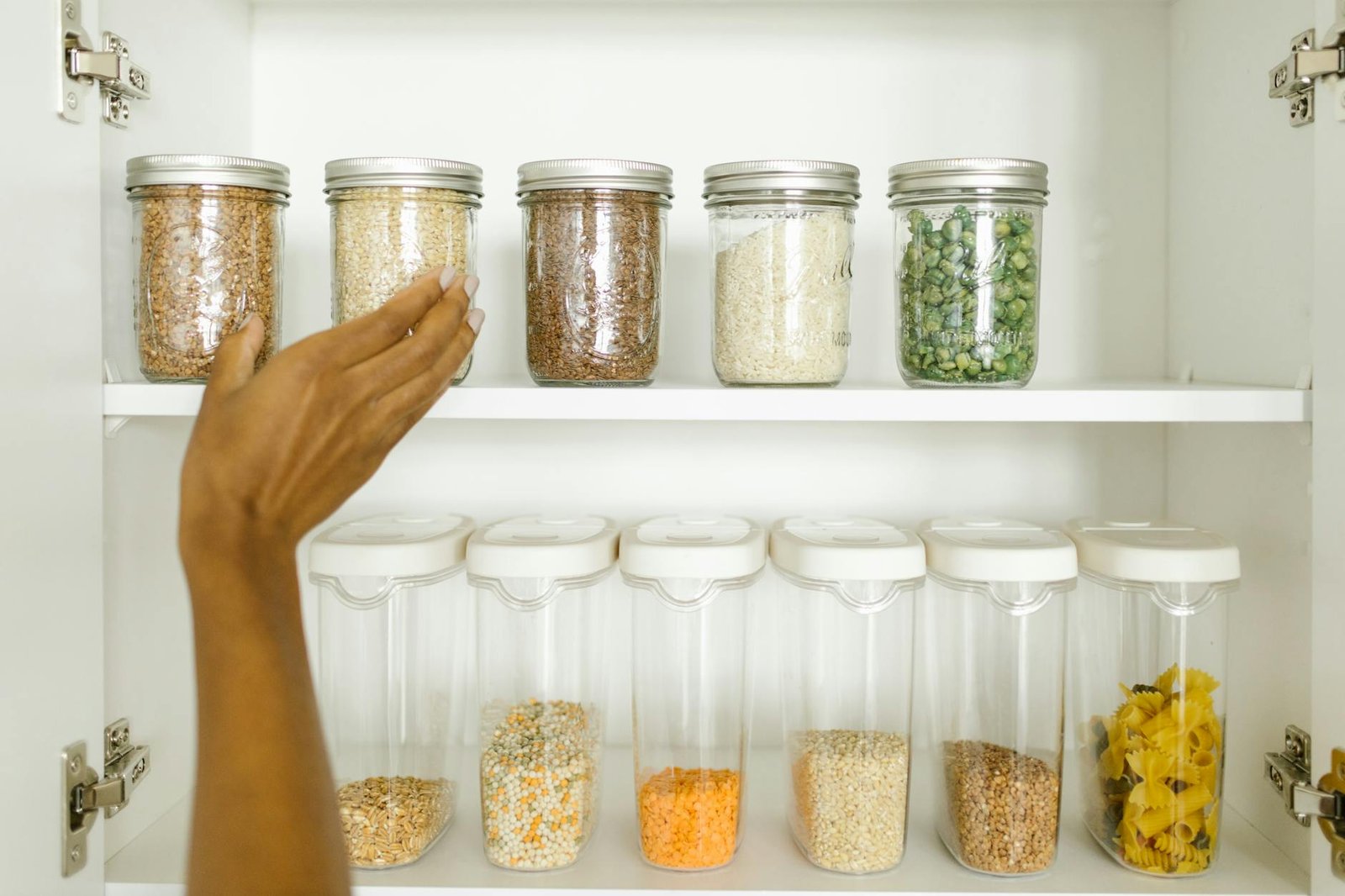
The biggest mistake I used to make was stacking cans directly on top of each other. You know what happens – the ones at the bottom become invisible and forgotten. Here are my favorite storage solutions that keep everything in sight:
📊 Tiered Shelf Organizers
These are absolute game-changers! I can see every single can at a glance, just like at the grocery store. I use different sizes depending on my shelf depth and the height of different canned goods.
🌪️ Lazy Susans for Corner Spaces
Corner spaces used to be where cans went to disappear forever. Now I use lazy Susans, and honestly, it’s like having a mini canned goods carousel. A quick spin reveals everything I have.
🧺 Pull-Out Baskets
For deeper pantry shelves, I installed pull-out wire baskets. They slide out completely, so I can access cans even from the very back without playing Jenga with my food storage.
Just like how I organize other areas of my home with intentional systems – similar to the approach I use for creating functional living spaces – the key is making everything accessible and visible.
📋 The Inventory System That Prevents Overbuying
I keep a simple inventory list taped inside my pantry door. It’s not complicated – just a whiteboard with categories and quantities. When I use something, I erase it. When I shop, I update it.
This simple system has saved me from buying duplicate items more times than I can count. Before I implemented this, I had six cans of corn because I kept thinking I was out!
A whiteboard inventory list prevents overbuying and helps track what you have on hand
🏠 Making It Work for Different Spaces
Not everyone has a spacious pantry, and I get that. I’ve organized canned goods in apartments with tiny kitchens too. The principles remain the same – you just need to get creative with your space, much like when you’re maximizing storage in small spaces.
For small spaces, I recommend:
- Using cabinet door organizers for frequently used items
- Installing narrow pull-out drawers in deep cabinets
- Utilizing the space above your refrigerator with clear storage bins
- Creating a “canned goods station” in a kitchen cart or cabinet
🎯 Maintenance Tips That Keep the System Running
The best organization system in the world won’t work if you don’t maintain it. Here’s what I do to keep my canned goods organized long-term:
🗓️ Monthly Mini-Audits
Once a month, I spend about 10 minutes checking my canned goods. I look for items approaching their best-by dates, reorganize anything that’s gotten out of place, and update my inventory list.
🛒 Strategic Shopping
I never shop for canned goods without checking my inventory first. This has become such a habit that I take a quick photo of my pantry shelves before heading to the store.
💡 Habit Tip: I always put things back in their designated zones immediately after unloading groceries. It takes an extra two minutes but saves hours of searching later!
❓ Frequently Asked Questions
How often should I reorganize my canned goods?
I do a complete reorganization twice a year – usually in spring and fall. Monthly mini-audits keep things tidy in between, and I spot-clean as needed when things get a bit messy.
What’s the best way to deal with different can sizes?
I group similar-sized cans together within each zone. Tall cans like tomato sauce go together, standard cans like vegetables have their own section, and small cans like tomato paste get their own designated area. This creates visual harmony and makes stacking more stable.
Should I remove labels or leave them on?
I always leave the original labels on – they contain important information like expiration dates and nutritional content. However, I do add my own small labels if the original ones are hard to read or if I want to add purchase dates.
How do I prevent cans from rolling around?
I use shelf liners with a slight texture or install small lip guards on the front edges of my shelves. For round cans that tend to roll, I store them in shallow bins or use divider systems that create individual compartments.
🎉 Your Organized Canned Goods Await
Organizing your canned goods doesn’t have to be complicated, but it does need to be intentional. The zone system, combined with proper storage solutions and a simple inventory method, has completely changed how I cook and shop. I spend less time searching, waste less food, and actually enjoy opening my pantry now!
Remember, the best system is the one you’ll actually use. Start with one small change – maybe just creating zones – and build from there. Before you know it, you’ll have a pantry that works as hard as you do.
What’s your biggest canned goods organization challenge? I’d love to hear about your pantry struggles and wins in the comments below – let’s help each other create kitchens that actually function!