Quick Answer
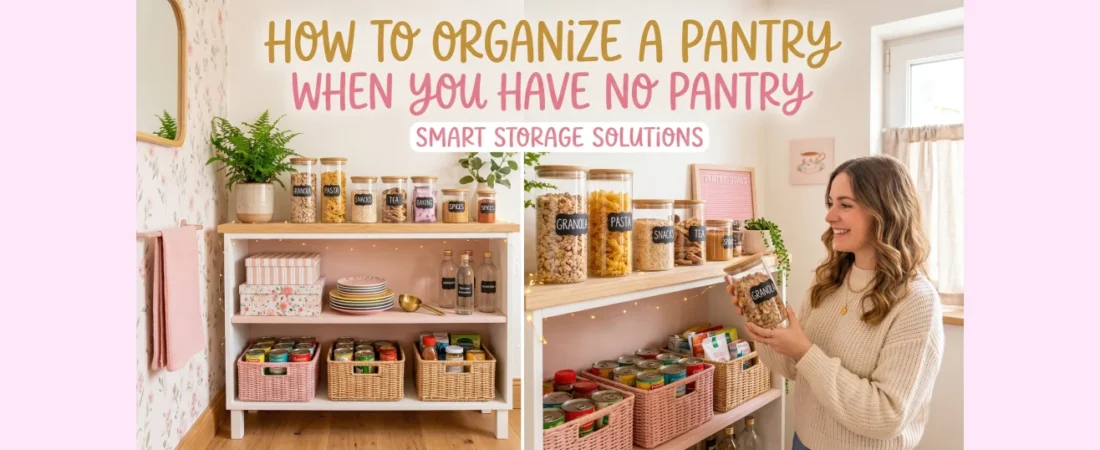
Transform any kitchen cabinet, closet, or unused space into an organized food storage area using clear containers, shelf risers, door organizers, and vertical storage solutions. Group similar items together and use labels to maintain order in your makeshift pantry.
I’ll be honest with you – when I first moved into my tiny apartment, I was devastated to discover there wasn’t a single pantry in sight. Just a few cabinets and barely any counter space. But you know what? That constraint actually forced me to become incredibly creative with food storage, and now I wouldn’t trade my system for anything!
Living without a traditional pantry has taught me that organization is less about the space you have and more about how cleverly you use it. Let me share the strategies I’ve developed over the years to create functional food storage in the most unlikely places.
🏠 Identifying Your Hidden Pantry Spaces
The first step in my pantry-less journey was learning to see potential storage everywhere. I started looking at my home with fresh eyes, and honestly, I was amazed at how many “pantry” spaces were hiding in plain sight.
💡 Pro Tip: Walk through your kitchen and surrounding areas with a notebook. Write down every single cabinet, shelf, and nook that could potentially hold food items.
My biggest revelation was that pantries don’t have to be in the kitchen! I’ve successfully used hall closets, bedroom corners, and even under-stair spaces for dry goods storage. The key is choosing spots that are cool, dry, and easily accessible during cooking.
In my current home, I use three main “pantry” areas: a kitchen cabinet I’ve maximized with shelving, a section of my linen closet for bulk items, and a rolling cart that I can move around as needed. This distributed approach actually works better than a single pantry because I can organize by frequency of use.
🔍 Kitchen Cabinet Transformation
My most-used pantry space is actually just a regular kitchen cabinet that I’ve completely transformed. I removed the middle shelf and installed three adjustable shelves instead, giving me much more vertical storage. The bottom holds my heaviest items like oils and vinegars, while the top shelf houses items I use less frequently.
📦 Smart Storage Solutions That Actually Work
After trying countless storage methods, I’ve learned that the right containers make all the difference. Clear, stackable containers have become my best friends because they let me see exactly what I have while maximizing every inch of space.
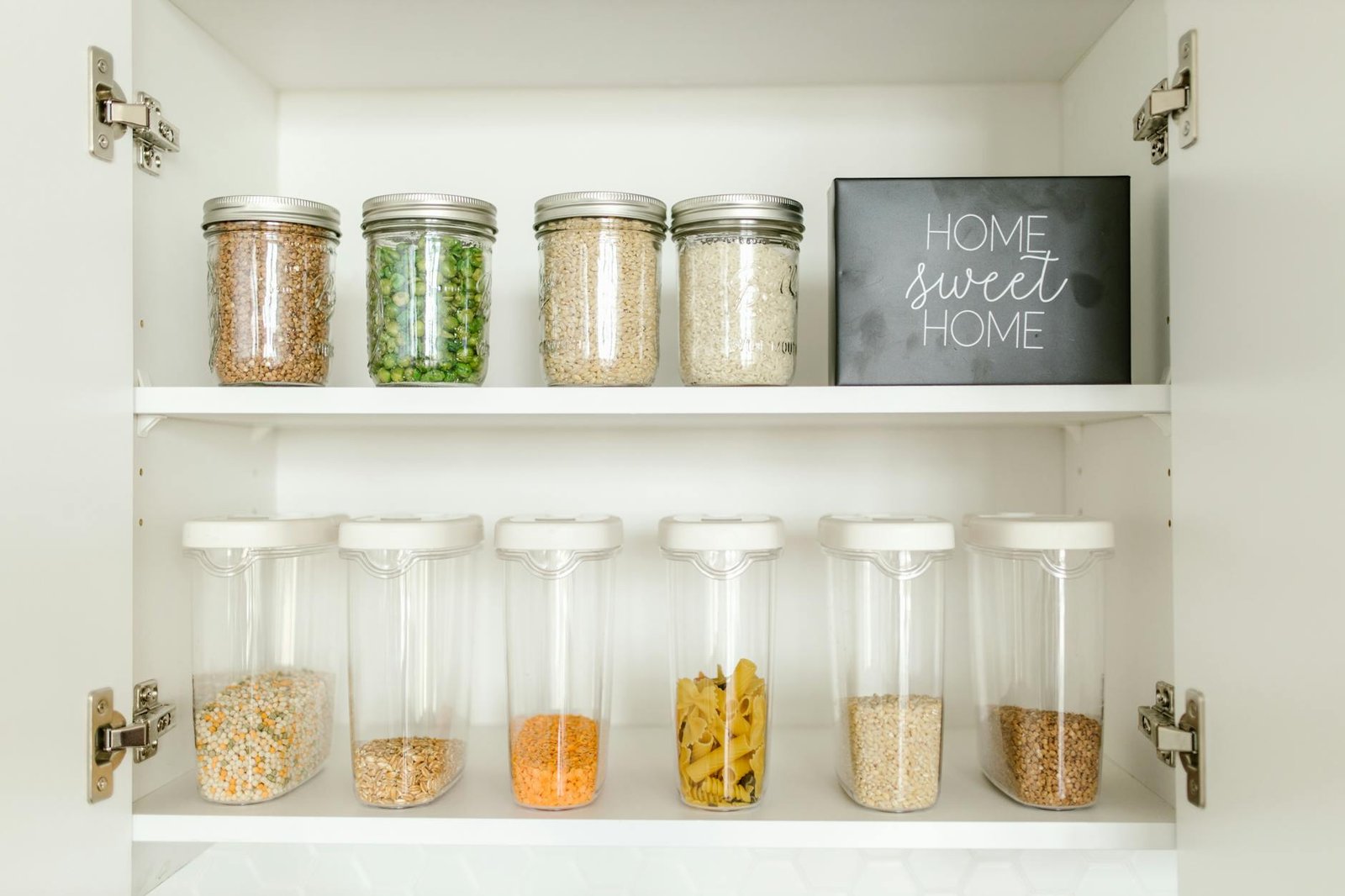
I transfer everything – and I mean everything – from its original packaging into airtight containers. Not only does this keep food fresher longer, but it also allows me to stack efficiently and see my inventory at a glance. My flour, sugar, pasta, and cereal all live in matching containers that fit perfectly on my shelves.
📖 Organization Insight: Invest in a label maker or create your own labels. I label both the front and top of containers so I can identify items whether they’re at eye level or stacked high.
For smaller items like spices and condiment packets, I use clear drawer organizers inside my cabinets. This system has completely eliminated the frustrating hunt for that one spice packet I know I bought last month!
🚪 Door Storage Magic
The backs of cabinet doors are absolute goldmines for storage. I’ve installed narrow shelving systems on multiple cabinet doors for items like oils, vinegars, and frequently used spices. My kitchen drawer organization system extends to vertical door storage too – every inch counts in a small space!
One of my favorite discoveries was using an over-the-door shoe organizer inside a cabinet door. The clear pockets are perfect for storing packets, small jars, and snacks. I can see everything instantly and grab what I need without disturbing other items.
🎯 Creating Zones Without Walls
Even without a dedicated pantry, I’ve learned to create distinct zones for different types of food. This mental mapping has been crucial for maintaining organization and knowing where everything lives.
My baking zone lives in one cabinet corner with all my flours, sugars, and baking accessories. My snack zone occupies a lower cabinet that my kids can easily reach. The cooking essentials – oils, vinegars, and frequently used spices – stay closest to the stove.
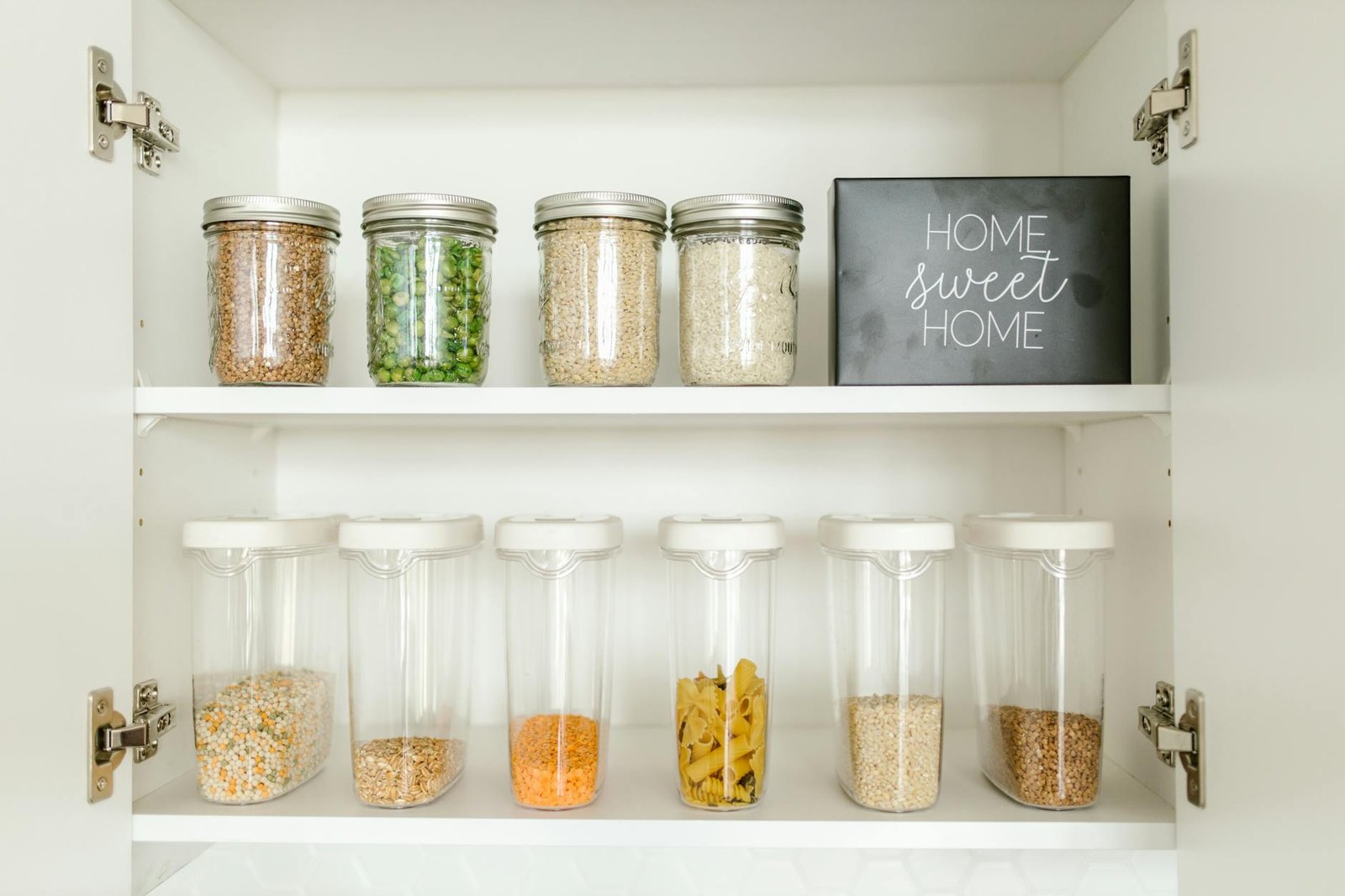
Creating distinct zones within cabinets helps maintain organization and makes items easy to find
This zoning approach works so well that when friends with traditional pantries visit, they often comment on how much easier it is to find things in my system. Everything has a logical place based on how I actually cook and eat.
📱 The Mobile Pantry Solution
One game-changing addition to my pantry-less kitchen was a rolling storage cart. This mobile unit holds my most frequently used items and can move wherever I’m working. When I’m cooking at the island, it rolls right up beside me. When I’m done, it tucks neatly beside the refrigerator.
I stock my cart with everyday essentials: salt, pepper, olive oil, frequently used spices, and snacks. It’s basically my “pantry greatest hits” all in one convenient, moveable spot. The bottom shelf holds larger items like rice and pasta, while the top serves as additional prep space.
🔄 Maintenance Strategies That Stick
Honestly, the hardest part about organizing without a pantry isn’t the initial setup – it’s maintaining the system when space is so limited. I’ve developed some habits that keep everything running smoothly.
Every few weeks, I do what I call a “pantry patrol” where I check expiration dates, consolidate partially used items, and reorganize anything that’s gotten out of place. Since my storage is distributed across multiple areas, I make this into a quick walking tour of my home.
💡 Reality Check: Don’t try to store a pantry’s worth of food in non-pantry spaces. Buy smaller quantities more frequently, and embrace the fresh-ingredients lifestyle!
I’ve also learned to be ruthless about what deserves precious storage real estate. If I haven’t used something in six months, it probably doesn’t need to live in my main storage areas. This selective approach keeps my most accessible spaces reserved for items I actually use regularly.
My refrigerator organization system works hand-in-hand with my pantry alternatives to create a cohesive food storage approach throughout the kitchen.
💰 Budget-Friendly Organization Hacks
Creating organized food storage without a pantry doesn’t require expensive solutions. Some of my most effective storage comes from repurposing items I already owned or finding creative uses for everyday objects.
Mason jars have become my go-to for storing everything from spices to snacks. They’re clear, stackable, and come in multiple sizes. I use small jars for frequently used spices and larger ones for bulk items like nuts or dried fruits.
Tension rods installed inside cabinets create instant dividers for storing cutting boards, baking sheets, or even hanging small baskets for lightweight items. This vertical organization maximizes space without any permanent modifications to my rental kitchen.
Even my under-sink storage solutions contribute to my overall food organization system by freeing up other cabinet space for food items.
❓ FAQ
Where should I store bulk items without a pantry?
I use a section of my linen closet or a spare bedroom closet for bulk items like large bags of rice, flour, or canned goods. The key is choosing a cool, dry location away from temperature fluctuations. I store everything in airtight containers to prevent pests and maintain freshness.
How do I prevent my makeshift pantry from becoming cluttered?
The secret is having designated homes for everything and sticking to them religiously. I group similar items together, use clear containers so I can see what I have, and do weekly check-ins to reorganize anything that’s gotten out of place. Labels are your best friend for maintaining order.
Can I create a pantry in a studio apartment?
Absolutely! In my previous studio, I used a bookshelf as a room divider that doubled as food storage. The back faced my kitchen area and held all my dry goods in attractive containers. I also utilized the space under my bed for less frequently used bulk items in sealed containers.
What’s the biggest mistake people make when organizing without a pantry?
Trying to store too much! Without a dedicated pantry, you need to be more selective about what you keep on hand. Buy smaller quantities more frequently rather than trying to cram a month’s worth of food into limited cabinet space. This approach actually leads to fresher ingredients and less food waste.
🏡 Making It Work for Your Life
Living without a traditional pantry has honestly made me a more organized and intentional cook. I know exactly what ingredients I have, nothing gets forgotten in the back of a deep closet, and I waste far less food than I used to.
The key is working with your space instead of against it. Embrace the creativity that comes with constraint, and don’t be afraid to think outside the kitchen for storage solutions. Some of my most successful “pantry” spaces aren’t anywhere near my stove!
Remember, the goal isn’t to recreate a traditional pantry – it’s to create a system that works for your cooking style, your space, and your life. My distributed storage approach has become so efficient that I actually prefer it to the single-pantry setup in my childhood home.
Your pantry-free organization system should evolve with your needs. Start with the basics, see what works, and adjust as you go. Before you know it, you’ll have created something even better than a traditional pantry – a personalized food storage system that works perfectly for you.
Have you found creative solutions for food storage in your pantry-less home? I’d love to hear about your successes and challenges in the comments below! What unexpected spaces have you transformed into organized food storage?